
What Is a Natural Gas Valve and What Types Are There?
A natural gas valve may look like a small metal fitting, but it controls a critical point in a gas system: whether fuel flows, stops, or responds to a safety signal. Some valves are turned by hand. Others close automatically when a control system detects a fault. Their shape, materials, pressure rating, and intended location all affect whether they are suitable for a particular installation.
Safety researcher James Reason wrote, “We cannot change the human condition, but we can change the conditions under which humans work.” His observation is not specific to gas valves, but it offers a useful safety principle: dependable systems should not rely on perfect attention alone. Valve selection, clear labeling, appropriate installation, and regular inspection all matter. That detail is easy to miss.
This guide explains what a natural gas valve does and how common types differ, including ball, plug, globe, and solenoid valves, along with manual shutoff and safety shutoff designs. It also considers where these valves are used and what features buyers and technicians should check. A compact quarter-turn handle, for example, may indicate a ball valve, but appearance alone cannot confirm its rating or suitability. That is where a quick visual judgment falls short. Gas equipment must match the system and be handled by qualified professionals. The right valve is not simply the one that fits the pipe; it is the one specified for the service and installed correctly.
Definition and Purpose of a Natural Gas Valve
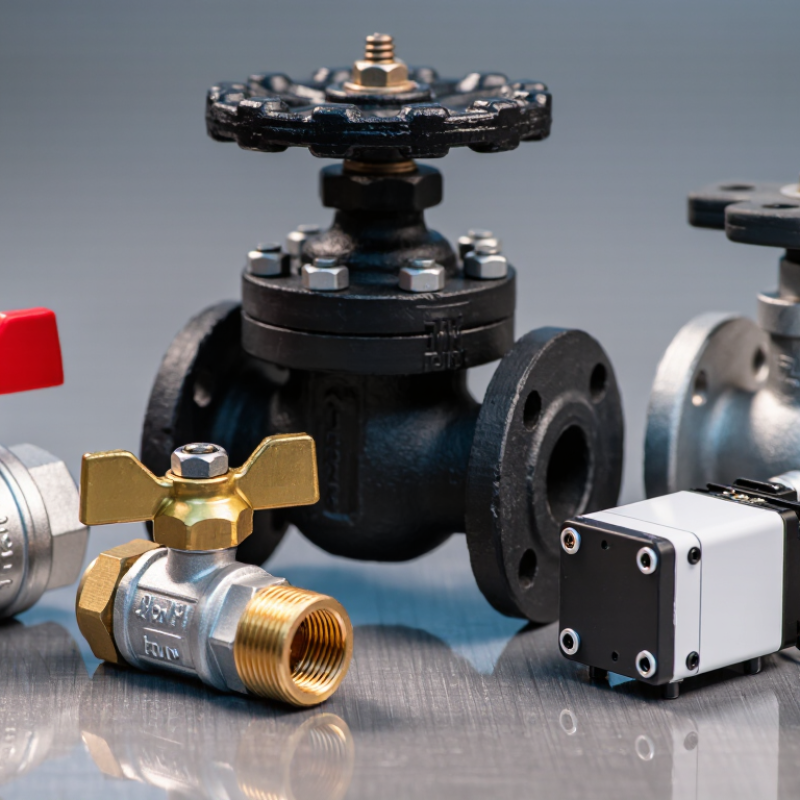
A natural gas valve is a mechanical device that starts, stops, or regulates gas flow through a pipe. In a home, it may sit near a meter, along a branch pipe, or beside an appliance. Its purpose is practical: isolate part of the system for servicing or shut off supply when needed. Small, but important.
Valves come in several designs. A quarter-turn ball valve uses a handle that turns across the pipe; the handle’s position often indicates whether it is open or closed. Plug valves use a rotating plug, while some systems use other valve designs suited to their pressure and installation. An appliance shutoff valve lets a qualified technician isolate one appliance without interrupting gas to the whole building. The right type depends on the system, not appearance alone.
A valve does not detect a leak, and a closed valve cannot fix damaged piping. It should be suitable for natural gas service and installed where it can be reached. If a handle feels stuck, do not force it; a worn valve can be less predictable than it looks. If you smell gas, leave the area and contact the gas utility or emergency service from a safe location. Knowing where the shutoff is helps, though it is not a substitute for inspection by a qualified professional.
| Valve Type | Definition and How It Works | Main Purpose | Typical Use or Location | Important Considerations |
|---|---|---|---|---|
| Natural gas valve: definition | A mechanical device that opens, closes, or regulates the flow or pressure of natural gas in a piping system. | Control gas delivery and, where designed for the task, isolate equipment or help maintain safe operating pressure. | Gas service lines, building piping, appliance connections, and gas-control assemblies. | Valves must be suitable for the gas service, pressure, piping arrangement, and applicable local requirements. |
| Manual shutoff valve | A hand-operated valve that stops or permits gas flow, commonly using a quarter-turn lever or a handwheel. | Provide a means to isolate a section of piping or a gas appliance. | Near an appliance, at a branch line, or at another designated isolation point. | Its location and accessibility are subject to applicable codes. It is not a pressure regulator. |
| Ball valve | A quarter-turn valve with a perforated ball; turning the handle aligns or blocks the opening in the ball. | Provide quick on/off control with a relatively direct flow path. | Gas piping and appliance shutoff points when the valve is specifically approved for gas service. | Use only a valve marked or documented as suitable for the intended gas, pressure, and installation. |
| Plug valve | A valve with a tapered or cylindrical plug containing a passage; rotating the plug opens or closes the flow path. | Provide manual isolation or flow control in compatible piping systems. | Some gas distribution and industrial piping installations. | Design, materials, sealing method, and approval determine whether a particular model is suitable for natural gas. |
| Gate valve | A handwheel-operated gate moves into or out of the flow path. | Provide isolation, generally intended to be fully open or fully closed. | Some larger piping systems and utility or industrial installations. | It is generally not intended for routine throttling, which can cause wear or poor flow control. |
| Globe valve | A movable disc or plug presses against a seat within a body that changes the direction of flow. | Control or throttle flow where the design and gas application permit. | Some specialized gas-control and industrial applications. | Pressure drop and application-specific approval should be considered when selecting a valve. |
| Solenoid valve | An electrically operated valve that uses an electromagnetic coil to move an internal plunger or mechanism. | Open or shut gas flow automatically in response to an electrical signal. | Gas-fired equipment and control systems designed for automatic operation. | Electrical controls, valve ratings, and the required fail-safe behavior must match the equipment design. |
| Automatic safety shutoff valve | A valve that closes gas flow when a specified control or safety condition occurs. | Stop gas supply during a detected fault or when an associated system calls for shutdown. | Gas burners, boilers, furnaces, and other fuel-burning equipment. | It is part of a safety system and must be selected, installed, and tested according to equipment instructions and applicable requirements. |
| Pressure regulator | A pressure-control device that adjusts downstream pressure in response to changing supply and demand conditions. | Reduce or maintain gas pressure within the range required by downstream piping or appliances. | Gas service equipment, distribution systems, and appliance gas trains. | A regulator controls pressure; it is not a substitute for a manual shutoff valve. Venting and installation requirements vary by design and location. |
| Excess-flow valve | A device designed to restrict or stop flow when flow exceeds a specified level, such as during certain line-break conditions. | Limit gas flow in particular piping or service configurations. | Some gas service lines, piping assemblies, or approved appliance connectors. | Trip conditions and reset behavior depend on the device. It does not replace required shutoff valves or leak testing. |
| Appliance connector shutoff valve | A manual valve installed to control gas supply to an individual appliance, often used with an approved connector. | Allow the appliance to be isolated for servicing or when it is not in use. | At an accessible point near a gas appliance, as required by the installation rules. | The valve, connector, and fittings must be compatible with the appliance and installed in accordance with local requirements. |
Related Posts
-
Why Do You Need a Natural Gas Pressure Relief Valve?
-
How to Shut Off a Water Valve Safely?
-
Understanding the Importance of Gas Valves in Home Safety and Efficiency
-
Why You Should Choose the Right Gas Valve for Your Home Safety
-

What is a Gas Valve and How Does it Work in Your Heating System
-
What to Consider When Selecting a Pressure Relief Valve?