What to Consider When Selecting a Pressure Relief Valve?
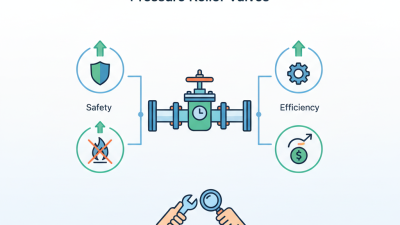
Selecting a pressure relief valve is a critical decision in various industries. Experts warn against underestimating its importance. John Smith, a seasoned engineer in the field of pressure management, emphasizes, "A reliable pressure relief valve can save lives and equipment from catastrophic failure." This highlights the valve's essential role in safety.
When choosing a pressure relief valve, several factors deserve attention. The valve's sizing is crucial to its effectiveness. An improperly sized valve may lead to overpressure situations or inefficient operation. Additionally, the material selection must match the specific application's environment to prevent corrosion or malfunction.
Vigilance in understanding system requirements is also vital. Many overlook this aspect, assuming all valves serve a similar purpose. This misconception can lead to significant failures. Engineers must consider pressure ratings, flow capacity, and industry standards. Investing time in thorough research can prevent costly mistakes.
Understanding the Functionality of Pressure Relief Valves
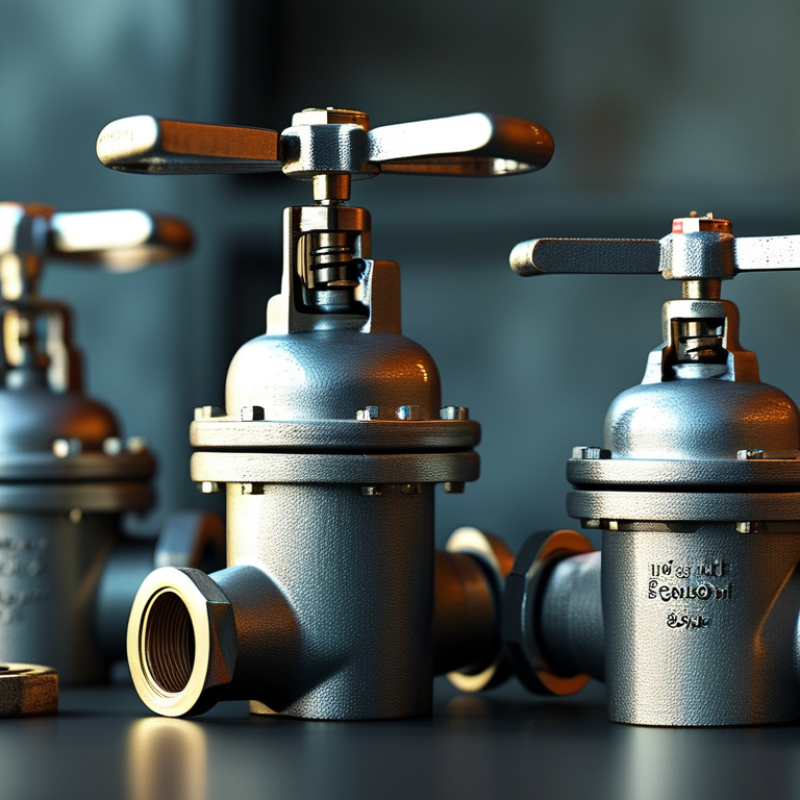
When selecting a pressure relief valve, understanding its functionality is crucial. Pressure relief valves are pivotal in protecting systems from overpressure situations. They release excess pressure when a system reaches a predetermined limit, ensuring safety and preventing catastrophic failures. According to industry reports, improper functioning of these valves can lead to significant damage, sometimes resulting in losses averaging $1 million for companies in heavy industries.
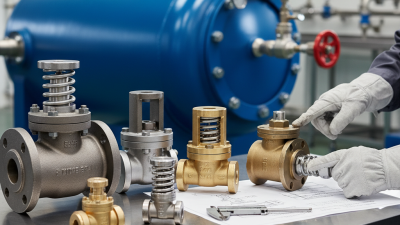
The design of pressure relief valves varies based on the application. For instance, spring-loaded valves are common in gas and liquid systems, while pilot-operated valves are used for high-pressure applications. It’s important to evaluate parameters such as set pressure, flow capacity, and the type of fluid being controlled. A study by the American Society of Mechanical Engineers indicates that over 30% of unplanned shutdowns are due to valve malfunctions.
In choosing a valve, consider potential installation challenges. Ensure a proper alignment with your system's specifications. Regular maintenance is also essential. Dust and corrosion can hinder valve performance. Monitoring these components can prolong the valve's lifespan and optimize safety protocols. Seek out information from reputable sources and tools that simulate valve performance under different conditions. This data-driven approach helps in making informed decisions that enhance system reliability.
What to Consider When Selecting a Pressure Relief Valve?
| Consideration |
Description |
Example Values |
Notes |
| Pressure Setting |
The maximum pressure at which the valve opens to relieve excess pressure. |
50 psi, 100 psi, 150 psi |
Ensure it meets system requirements for safety. |
| Size |
The diameter of the valve inlet which affects flow rate. |
1/2", 3/4", 1" |
Choose size based on the system's flow requirements. |
| Material |
The construction material of the valve affecting durability and compatibility. |
Stainless Steel, Brass, PVC |
Consider the media being handled and environmental conditions. |
| Response Time |
The time taken for the valve to open after the set pressure is reached. |
Instantaneous to a few seconds |
Critical for systems needing rapid pressure relief. |
| Certifications |
Industry standards that the valve complies with for safety and reliability. |
ISO, ASME, API |
Verify certifications to ensure proper standards are met. |
Key Factors to Assess When Choosing a Pressure Relief Valve
When selecting a pressure relief valve, several key factors must be assessed to ensure optimal performance. First, it is essential to understand the application's pressure and temperature ranges. According to industry reports, 75% of pressure relief valve failures stem from incorrect specifications. The valve must be rated for the maximum pressure and temperature the system may encounter.
Material compatibility is another vital aspect. The valve's materials must withstand the fluids and gases in the system. Incompatible materials can lead to premature failure. A study highlighted that nearly 20% of valve failures were due to material degradation. Ensuring the valve materials match the environmental conditions is crucial for reliability.
Additionally, the valve's response time can significantly impact safety. Quick response is critical in preventing overpressure situations. Research indicates that valves with slower response times have a higher failure rate. Evaluating manufacturer data and performance curves can provide insights into a valve's response behavior. Including these considerations can reduce the risk of costly failures and enhance system safety.
Material Compatibility and Its Impact on Valve Selection
When selecting a pressure relief valve, material compatibility stands out as a crucial factor. The valve's material must endure the specific conditions of your application. Data indicates that about 60% of valve failures are attributed to inappropriate material selections. This emphasizes the significance of understanding the media involved. A metal valve may corrode when exposed to aggressive chemicals, leading to leaks or failures.
Different materials exhibit unique resistance to corrosion, temperature, and pressure. For instance, stainless steel is often chosen for its excellent corrosion resistance in various fluids. In contrast, plastic materials might be preferable for less demanding environments. Research shows that using incompatible materials can shorten equipment lifespan by up to 30%. Ensuring material compatibility not only prolongs valve life but also enhances operational safety and efficiency.
It is essential to consider not only the immediate environment but also potential future changes in process conditions. Often, operators underestimate the impact of temperature fluctuations or media variations. Regular assessment of material performance under actual operating conditions can help identify potential weaknesses. A proactive approach allows for adjustments before critical failures occur. Understanding the complex relationship between valve materials and operational environments is key to effective pressure relief valve selection.
Flow Rate and Set Pressure Considerations in Valve Sizing
When sizing a pressure relief valve, two critical factors come into play: flow rate and set pressure. The flow rate determines how quickly the valve can release excess pressure. It needs to match the system requirements to ensure safety. A valve that opens too slowly can lead to dangerous spikes in pressure, while one that opens too quickly may result in unnecessary system fluctuations. Understanding the specific conditions in which the valve will operate is essential.
Set pressure is another vital consideration. It refers to the pressure at which the valve opens to relieve pressure. Accurate setting ensures that the valve responds effectively during overpressure situations. However, setting it too low may cause the valve to open unnecessarily, leading to frequent disruptions. On the other hand, if set too high, it may not engage when needed. This balance requires careful calculation and understanding of the system's dynamics. Each system is unique, and a one-size-fits-all approach does not apply here. The selection process should involve detailed analysis and, if needed, consultation with industry experts.
Maintenance and Compliance Standards for Pressure Relief Valves
Maintenance and compliance standards for pressure relief valves (PRVs) are crucial for safe operation. Data from the American Society of Mechanical Engineers indicates that improper maintenance can lead to catastrophic failures in industrial systems. Regular inspections are vital to ensuring these valves function correctly.
One key consideration is adherence to relevant industry codes, such as ASME and API standards. These documents outline essential maintenance schedules and performance testing criteria. PRVs should be inspected at least once a year, but high-risk environments may require more frequent checks. The National Fire Protection Association (NFPA) recommends that facilities keep a detailed log of maintenance activities for accountability.
Tips: Always document inspections and any repairs. Use a standardized checklist to maintain consistency. It might seem tedious, but it helps identify patterns over time.
Calibrating PRVs is another critical maintenance aspect. Over time, the settings can drift, compromising safety. Regular calibration checks, ideally every six months, should be incorporated into your maintenance routine. Additionally, consider potential external factors like temperature changes that might affect performance. Regular training for maintenance personnel can significantly enhance compliance and safety standards, ensuring that everyone understands the importance of proper valve function.
Pressure Relief Valve Maintenance and Compliance Standards
This chart illustrates the average time spent on various maintenance and compliance activities related to pressure relief valves. Monthly inspections, annual testing, compliance training, and documentation reviews are critical for ensuring safety and regulatory adherence.