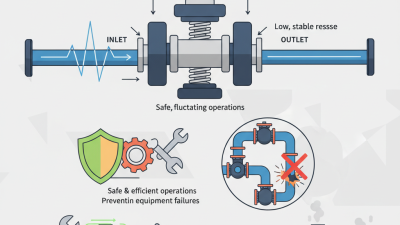
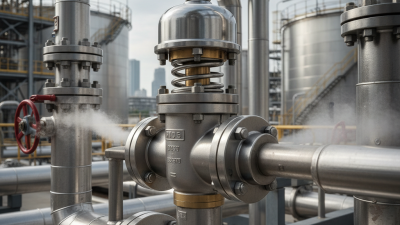
Why Do You Need a Natural Gas Pressure Relief Valve?
Natural gas is a common energy source in homes and industries. However, managing its pressure is crucial. A natural gas pressure relief valve is essential for ensuring safety and efficiency. This device helps prevent over-pressurization, protecting both people and property.
Proper installation and maintenance of a natural gas pressure relief valve can prevent disasters. Sometimes, property owners overlook this equipment or don't understand its importance. This oversight can lead to dangerous situations, highlighting the need for awareness and education.
Reliability in a natural gas system relies on the pressure relief valve's functionality. Regular checks can identify potential issues early. Understanding how these valves operate promotes safer environments and efficient energy use. In the end, knowledge and respect for this equipment are vital for everyone involved.
Understanding the Function of Natural Gas Pressure Relief Valves
Natural gas pressure relief valves play a vital role in maintaining safety and efficiency in gas distribution systems. These valves are designed to release excess pressure when it exceeds predetermined limits. As per industry reports, improper pressure can cause system failures and pose significant risks, making these valves essential for safety compliance.
Understanding their function is crucial. When gas pressure rises too high, relief valves automatically vent excess gas. This prevents potential explosions or leaks, essentially acting as a safety net in gas distribution. According to the American Society of Mechanical Engineers (ASME), about 60% of natural gas incidents are linked to pressure issues. Proper installation and maintenance of these valves are critical factors in minimizing risks.
Tips: Regular inspections can help identify wear or malfunction in pressure relief valves. It’s advisable to consult with a certified technician for any maintenance. Keep spare parts readily available to avoid delays in repairs. Monitoring pressure levels consistently can prevent unexpected failures, ensuring a safe environment.
Importance of Maintaining Safe Gas Pressure Levels
Maintaining safe gas pressure levels is crucial for systems using natural gas. A natural gas pressure relief valve (PRV) plays a vital role in this process. It prevents dangerous pressure build-up that can lead to catastrophic failures. When gas pressure exceeds safe levels, the PRV releases excess pressure, protecting equipment and ensuring safety.
Moreover, pressure can fluctuate due to various factors, such as temperature changes and usage patterns. Regular monitoring of gas pressure is essential. Ignoring these fluctuations can lead to leaks or equipment damage. A well-functioning PRV ensures that gas supply remains stable and safe. However, PRVs can malfunction if not properly maintained.
Neglecting regular inspections increases risk exposure. While many may overlook this aspect, it is vital for long-term safety. The PRV should be part of routine maintenance checks. This will help identify potential issues before they escalate. Ultimately, prioritizing safe gas pressure management protects both infrastructure and lives. Regular vigilance is not just an option; it is necessary.
Why Do You Need a Natural Gas Pressure Relief Valve? - Importance of Maintaining Safe Gas Pressure Levels
| Aspect |
Details |
| Function |
Regulates gas pressure to prevent excess pressure build-up |
| Importance |
Ensures the safety of gas appliances and systems |
| Common Issues |
Faulty valves can lead to gas leaks and unsafe conditions |
| Maintenance Frequency |
Recommended at least once a year |
| Signs of Malfunction |
Unusual noise, fluctuating pressure readings, gas smell |
| Regulatory Compliance |
Must meet local and national safety standards |
Applications and Use Cases for Pressure Relief Valves
Natural gas pressure relief valves play a critical role in various applications. These valves prevent excessive pressure from building up in pipelines and vessels, ensuring safety and efficiency. According to industry reports, nearly 70% of pipeline incidents are linked to pressure management issues. This highlights the importance of deploying effective relief systems.
One common application is in power generation. Many power plants use natural gas systems, where maintaining optimal pressure is vital. A failure in this system can lead to operational downtime, significantly affecting energy output. Analysts estimate that regular monitoring and maintenance of pressure relief valves can lead to a 30% increase in plant efficiency.
Another significant area is in the chemical manufacturing sector. Facilities processing natural gas often utilize pressure relief valves to safeguard against hazardous situations. Data suggests that devices meeting the highest standards can reduce the risk of leaks by up to 50%. These reductions are crucial in preventing environmental damage and ensuring compliance with safety regulations. Implementing these valves, however, requires constant reviews and adjustments, which some companies may overlook, reflecting a gap in best practices.
Applications and Use Cases for Natural Gas Pressure Relief Valves
Common Issues and Solutions Related to Pressure Relief Valves
Pressure relief valves are critical in natural gas systems.
They protect against excessive pressure, which can lead to dangerous situations. However,
common issues can arise with these valves. Blockages
are one frequent problem. Dust or debris can hinder performance.
Regular maintenance
is essential to ensure the valves operate efficiently.
Another issue is valve leakage. This can occur when seals wear out or become damaged.
A leaking valve not only compromises safety but also leads to gas loss. Detecting leaks early
can save both money and resources. Routine inspection
and timely repairs enhance the reliability of the entire system.
Operators often overlook the need for proper training.
Understanding how pressure relief valves function is vital. Adjustments and replacements require
knowledge of safety standards. Without adequate training, mistakes can happen. Regular workshops
or seminars can build awareness and competency in handling these devices. Recognizing these common issues
and addressing them can significantly improve system safety and efficiency.
Selection Criteria for Choosing the Right Pressure Relief Valve
Selecting the right natural gas pressure relief valve is crucial for safety and efficiency. When choosing a valve, consider flow capacity first. The American Society of Mechanical Engineers (ASME) recommends assessing the maximum flow rate expected. This helps in avoiding under or over-sizing, which can lead to operational failures.
Next, examine the pressure setting. The relief valve must activate at predetermined pressure levels to ensure safe operation. A report by the Gas Processors Association emphasizes the need for precise settings. Adjusting pressures can lead to system leaks or bursts, impacting operational integrity.
Lastly, materials matter. Valves must withstand corrosion and temperature changes. A study from the National Institute of Standards and Technology highlights failure risks associated with improper material selection. This choice directly affects longevity and reliability in high-stress environments. These considerations can seem straightforward but often get overlooked. A small oversight can lead to significant issues.