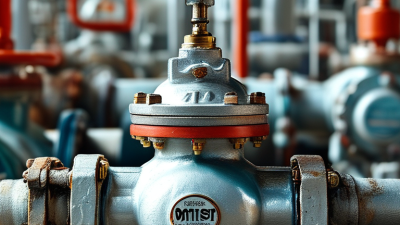
How to Choose a Pressure Regulator in 2026?
Choosing a pressure regulator in 2026 starts with the system, not the product catalog. A regulator that works well on a clean water line may perform poorly with compressed air, steam, or a changing process load. Write down the inlet pressure range, required outlet pressure, expected flow, operating temperature, and the fluid or gas involved. Small details matter. A pump cycling on and off, for example, can create pressure changes that a steady-flow test will not reveal. Match the regulator’s rated pressure and materials to the actual service, then check the manufacturer’s datasheet rather than relying on a product photograph or a broad category name.
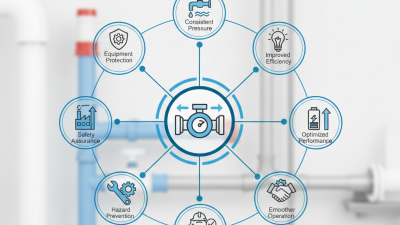
Next, compare performance, installation needs, and maintenance access. Look for published flow data and confirm that the regulator can maintain the desired downstream pressure at both typical and peak demand. Check port size, connection type, adjustment range, gauge options, and whether the design needs a filter or separate relief device. Not every application needs the most elaborate model. But choosing by price or connection size alone can lead to unstable pressure, excess wear, or difficult troubleshooting. I have seen specifications that looked suitable until the real flow demand was checked; that step is easy to miss. Ask the manufacturer or a qualified engineer when ratings, media compatibility, or failure behavior are unclear. Keep the operating conditions and selection notes with the equipment. A careful choice is rarely dramatic. It is dependable, measurable, and appropriate to the system.
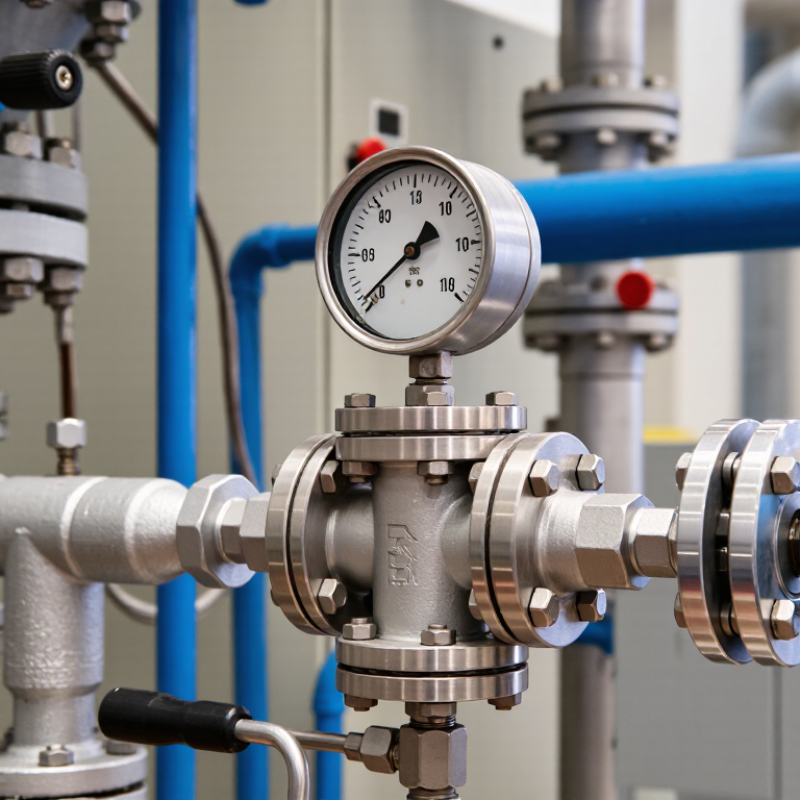
Define the Application and Required Pressure-Control Objective
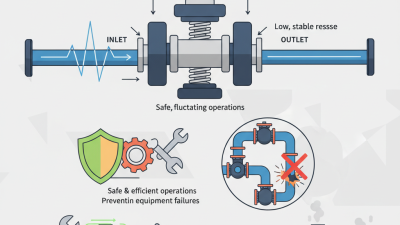
Define what the regulator must control, and where pressure matters in the system. A pressure-reducing regulator maintains a lower downstream pressure; a back-pressure regulator controls upstream pressure. They are not interchangeable. Be precise about the objective: hold a steady outlet pressure, limit pressure changes as flow varies, or protect a sensitive instrument from fluctuations.
Describe the real operating conditions, not just the ideal setpoint. Record the minimum and maximum inlet pressures, required outlet range, normal and peak flow, fluid, temperature, and any expected contaminants. For example, a regulator feeding a small test instrument may behave differently when a nearby valve opens and demand rises sharply. Small details matter. Check pressure droop under flow and lockup pressure when flow stops; both can affect performance. Specify how much variation the process can tolerate, too. A common design trap is asking for tighter control than the measurement setup can verify. It is worth questioning that assumption. Confirm the objective with system measurements where possible, and note any uncertain values before selecting a regulator.
Determine Inlet Pressure, Outlet Pressure, and Flow Requirements
How to Choose a Pressure Regulator in 2026?
Determine Inlet Pressure, Outlet Pressure, and Flow Requirements
A suitable regulator starts with accurate pressure readings. Record the inlet pressure at its lowest and highest expected levels, not just during a quiet test. Supply pressure may change when other equipment starts. A gauge can reveal that variation.
Next, define the outlet pressure your equipment needs while operating. A setpoint that looks correct with no flow may fall once demand increases. Check pressure at the regulator outlet and, when practical, near the equipment. Small details matter. Note the units, too, and avoid mixing bar, psi, or other measurements.
Estimate both normal and peak flow, then compare those figures with the regulator’s capacity data at your actual inlet and outlet pressures. A model that handles average demand may struggle during a brief surge. Watch for pressure droop: outlet pressure can decline as flow rises. The sizing calculation is not always neat; real demand can vary more than a spreadsheet suggests. Leave reasonable capacity, but do not oversize blindly, since control can become less stable at low flow. For critical systems, confirm the operating range and installation conditions with a qualified engineer.
How to Choose a Pressure Regulator in 2026? - Determine Inlet Pressure, Outlet Pressure, and Flow Requirements
Start with the highest and lowest expected inlet pressures, the required downstream pressure, and the peak flow demand. The examples below are representative system requirements—not regulator product ratings.
| Example Service |
Inlet Pressure Range |
Required Outlet Pressure |
Example Peak Flow |
Regulator Approach to Consider |
Key Selection Checks |
| Instrument air for pneumatic equipment |
6–10 bar(g) |
4 bar(g) |
0.5–5 Nm³/h |
Direct-acting pressure-reducing regulator for modest, steady demand |
Confirm the regulator can maintain outlet pressure at peak flow and that the set pressure stays within the equipment limit. |
| Nitrogen supplied from a high-pressure cylinder |
Up to 200 bar(g) at a full cylinder; pressure falls as the cylinder empties |
2 bar(g) |
0.1–1 Nm³/h |
Two-stage regulation where stable low outlet pressure is needed across a large inlet-pressure change |
Check maximum inlet-pressure rating, gas compatibility, connection standard, and safe cylinder handling requirements. |
| Water distribution branch |
3–6 bar(g) |
2.5 bar(g) |
0.2–2 m³/h |
Water pressure-reducing valve sized for the required flow and acceptable pressure loss |
Check water temperature, valve materials, particle or scale exposure, and whether a strainer is required. |
| Low-pressure steam supply to process equipment |
4–10 bar(g) |
2 bar(g) |
50–300 kg/h |
Steam pressure-reducing valve; a pilot-operated design may suit higher capacity or tighter control needs |
Size using steam conditions and capacity data; account for condensate drainage, superheat, noise, and downstream safety protection. |
| Industrial compressed gas header |
20–80 bar(g) |
8 bar(g) |
5–50 Nm³/h |
High-pressure-rated regulator selected for the gas and the full operating range |
Verify inlet-pressure rating, flow capacity, outlet-pressure stability, materials compatibility, and the required relief or overpressure protection. |
Select a Regulator Type, Size, and Pressure Range
Choosing a pressure regulator starts with the fluid and the job. Direct-acting models suit many modest-flow applications and respond simply to changing demand. Pilot-operated designs can handle higher flows or tighter control, but need more careful setup. For air or gas, check whether the application needs a relieving regulator; liquid systems may require different materials and construction. Compatibility matters. A seal that swells can cause leaks.
Size the regulator for the real flow range, not just the pipe diameter. Compare required flow, inlet pressure, outlet pressure, and the manufacturer’s flow data. A regulator that is too small may struggle when several tools run at once. One that is oversized may control poorly at low demand. Look for pressure droop data, too. It shows how outlet pressure can fall as flow increases. A small workshop compressor cycling near a spray gun is a useful example: peak demand and steady demand are not the same.
Choose a pressure range that comfortably includes your desired setting, rather than placing it at the adjustment limit. Confirm the regulator’s maximum inlet pressure, outlet range, temperature rating, and connection size. Use gauges to verify actual readings under flow, not only at rest. That detail is easy to miss. I would recheck the sizing after installation, because real piping losses and changing demand can make a neat calculation imperfect.
How to Choose a Pressure Regulator in 2026
Select a regulator type, size, and pressure range to match the system’s actual operating conditions.
Example pressure requirements (psig): The system has a 120 psig inlet, a 60 psig outlet target, and an acceptable outlet range of 55–65 psig. These are illustrative design conditions, not universal regulator specifications.
Choose the type: Direct-acting regulators are common for simpler applications. Pilot-operated designs can suit higher flow demands or tighter control requirements. A two-stage arrangement may help maintain a steadier outlet when inlet pressure varies substantially.
Choose the size: Use the required minimum and maximum flow, fluid properties, inlet pressure, and allowable pressure drop to check the manufacturer’s sizing data. Do not select by pipe size alone.
Choose the pressure range: Confirm the regulator’s adjustable outlet range includes the target and acceptable operating band. Its inlet-pressure rating must also safely cover the maximum inlet pressure, including expected surges.
Check Material Compatibility and Operating Conditions
How to Choose a Pressure Regulator in 2026?
Check Material Compatibility and Operating Conditions
Start with the fluid, not the regulator’s appearance. Confirm that the body, diaphragm, seat, and seals suit the fluid’s chemistry and concentration. Temperature matters too: a seal compatible at room temperature may behave differently in hot service. Stainless steel is not automatically the right choice for every fluid. Check the manufacturer’s compatibility data for the exact material and operating range. Small details count.
Next, map the real operating conditions. Record inlet pressure, required outlet pressure, flow rate, and temperature, including likely start-up surges. Use flow curves to check capacity; connection size alone cannot show whether a regulator will maintain stable pressure. For example, a compressed-air line with brief high-demand bursts may need different sizing from a steady-flow line. It is easy to overlook occasional peaks, and that can lead to pressure droop or unstable control. If conditions are uncertain, verify them before selecting a model.
Tips: Check the regulator’s maximum inlet rating and outlet adjustment range. Compare the fluid’s expected temperature with published limits, and ask for written compatibility guidance when the fluid blend is unusual. Recheck assumptions after installation; actual service can differ from the design notes.
Verify Safety Features, Installation Needs, and Maintenance Access
How to Choose a Pressure Regulator in 2026?
A suitable pressure regulator must match the system’s working pressure, flow rate, and fluid. Check the inlet and outlet pressure ranges against actual operating conditions, not just equipment labels. Look for a readable gauge and suitable overpressure protection, where the system requires it. Confirm that wetted materials are compatible with the gas or liquid. A mismatch can cause leaks or premature wear. Small details matter.
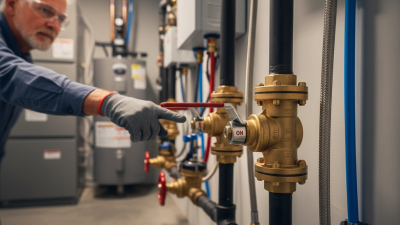
Installation affects both performance and safety. Allow room to reach adjustment controls, unions, and serviceable filters. A regulator tucked behind hot piping may be difficult to inspect later. Follow the manufacturer’s orientation and connection requirements, and use isolation valves when the system design calls for them. Support nearby pipework to limit vibration. I have seen “easy” installations become awkward once adjacent equipment is in place, so measure access before choosing a location.
Tips: Record normal inlet and outlet readings after installation. Keep the manual and service interval nearby. Inspect for leaks, corrosion, or unstable pressure; isolate the system and consult a qualified technician if readings drift or parts need replacement. Don’t guess.