Best Pressure Regulators for Your Needs?
When selecting a pressure regulator, understanding your specific needs is crucial. The pressure regulator plays a vital role in various applications, from industrial systems to household setups. According to the 2021 Global Pressure Regulator Market report, the demand has surged by 8% annually. This growth reflects the increasing reliance on technologies requiring precise pressure control.
Choosing the right pressure regulator can directly impact efficiency and safety. For example, improper regulation can lead to equipment failures or increased energy costs. A study from the American Society of Mechanical Engineers indicates that up to 30% of energy is wasted due to inadequate pressure management. Each application has unique requirements, which means one-size-fits-all solutions may not suffice.
Many consumers overlook the importance of material quality and design in pressure regulators. A regulator made from subpar materials can compromise system integrity. Furthermore, not every product on the market is reliable, leading to potential risks. As you explore options, consider both performance and longevity. Research and expert recommendations can guide you to make informed choices.
Understanding Pressure Regulators and Their Importance
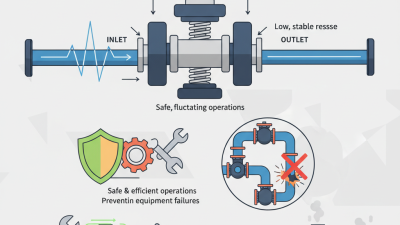
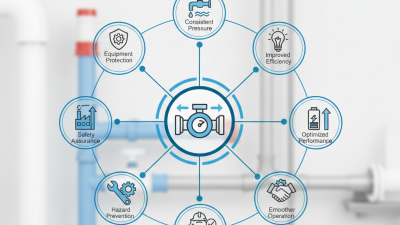
Pressure regulators are essential devices that control the flow and pressure of fluids in various systems. They ensure that equipment operates efficiently and safely. Understanding the importance of these regulators can help you make informed choices for your needs. Whether in industrial applications or residential setups, maintaining correct pressure is critical. It helps prevent damage and ensures optimal performance.
Improper pressure can lead to system failures. A sudden surge in pressure may cause pipes to burst or equipment to malfunction. Thus, choosing the right pressure regulator is a vital task. Regularly inspect your pressure regulators for signs of wear. Ensure that they are calibrated correctly for your specific application. It’s essential to address any anomalies promptly.
When selecting a regulator, consider the fluid type and operating conditions. Different settings require different specifications. Take the time to research and understand your system requirements. This knowledge can save time and resources down the line. Investing in quality equipment not only enhances performance but also improves safety.
Types of Pressure Regulators: A Comprehensive Overview
Pressure regulators play a pivotal role in various industries by maintaining precise pressure levels. There are several types of pressure regulators, each designed for specific applications. For example, there are direct-acting regulators, which respond directly to changes in downstream pressure. These are often used in systems requiring immediate pressure adjustments.
Another type is the pilot-operated regulator, which utilizes a smaller control valve to manage pressure more efficiently. This type can handle larger flow rates and is suitable for industrial applications. According to a report from the International Journal of Pressure Control, pilot-operated regulators can reduce pressure fluctuations by up to 15%. This precision makes them ideal for critical systems in manufacturing and gas supply.
Additionally, compound regulators, often used in applications where both high and low-pressure control is needed, combine features from different types. While they offer flexibility, they can be more complex and may require more maintenance. Pressure regulation needs careful evaluation. Finding the right type often involves trade-offs between responsiveness and complexity. Ultimately, understanding these types can significantly impact system performance and efficiency.
Factors to Consider When Choosing a Pressure Regulator
Choosing the right pressure regulator involves several important factors. The application type is crucial. Different settings require different types of regulators. For example, industrial applications need robust models. Residential needs might be simpler. Understanding the application helps narrow down options.
Another important factor is the pressure range. It’s essential to know your system's requirements. Some devices need precise control, while others may tolerate broad variations. This affects the regulator’s selection. Additionally, consider flow rate specifications. High flow rates need specialized regulators, while lower rates can work with more standard options.
Material compatibility cannot be overlooked. Regulators often come into contact with various substances. Materials should be suitable for the chemicals or gases involved. Failure to match materials may lead to leaks or malfunctions. Lastly, installation space matters. The physical dimensions of the regulator must fit your setup. Remember that these choices require thoughtful consideration. Mistakes here can lead to significant issues down the line.
Best Pressure Regulators for Your Needs
Top Brands and Models of Pressure Regulators on the Market
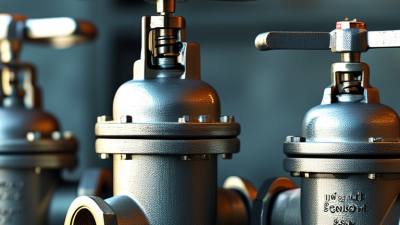
When it comes to selecting pressure regulators, understanding the key brands and models is crucial. Several top manufacturers prioritize durability and performance. Their regulators are designed for various applications, from industrial processes to home use. Choosing the right model can significantly impact efficiency and safety.
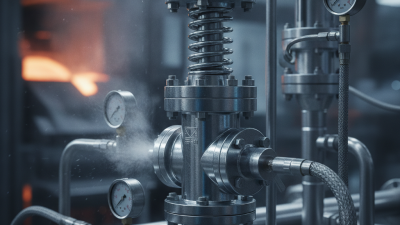
Leading pressure regulators often feature advanced technologies. Some models incorporate spring diaphragm mechanisms, ensuring precise pressure control. Their robust construction can withstand harsh environments. Other regulators might focus on compact designs, making them suitable for limited spaces. Evaluating specific features helps users select the right fit for their needs.
It’s essential to remember that not all pressure regulators perform the same in every situation. Users might encounter inconsistent outputs or failures if they overlook compatibility. Proper installation and regular maintenance are necessary for optimal performance. It’s also valuable to review user experiences and expert opinions before making a final decision. Taking the time to research can prevent costly mistakes in the long run.
Tips for Installation and Maintenance of Pressure Regulators
When installing a pressure regulator, it's crucial to choose the right location.
Keep it away from heat sources. This will ensure accurate pressure control. Additionally, make sure the area is easily accessible for future maintenance.
A cluttered or hard-to-reach space can complicate your work later on.
Regular maintenance is vital for optimal performance. Inspect the regulator for leaks and ensure the connections are secure. Clean any dirt or debris that may accumulate.
A blocked regulator can lead to pressure fluctuations. Sometimes, simply tightening fittings can solve minor issues. Be diligent; even small oversights can result in larger problems.
Another aspect to consider is checking the pressure settings regularly. Adjusting them might be necessary based on changing conditions. Over time, components can wear out.
Listening for unusual noises can signal an issue. If you notice changes in pressure delivery, it might be worth investigating further.
Taking the time for these checks can extend the life of your regulator.