Why is Pressure Control Valve Essential for Your Industrial Applications?
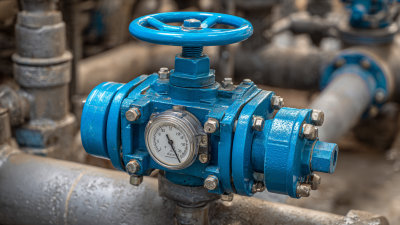
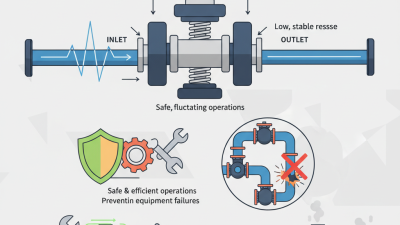
The pressure control valve is a critical component in industrial applications. It regulates and maintains pressure levels, ensuring safety and efficiency. Without an effective pressure control valve, systems may face operational failures and safety hazards. These valves protect equipment and enhance performance.
In factories, machinery operates under specific pressure conditions. A malfunctioning valve can cause pressure spikes or drops. This can lead to equipment damage, production downtime, and increased costs. Maintaining optimal pressure is vital for smooth operations.
Industries, from chemical to manufacturing, rely on pressure control valves for reliable performance. Engineers must choose the right valve type and size for their applications. Knowledge and experience in valve selection are essential for safety and efficiency. Understanding the unique requirements of each system is important.
Understanding the Functionality of Pressure Control Valves in Industries
Pressure control valves (PCVs) are vital components in industrial applications. They regulate system pressure, ensuring stability and safety. A report from the International Society of Automation indicates that up to 30% of industrial accidents are pressure-related. Properly functioning PCVs can significantly reduce this risk.
In industries such as oil and gas, chemical manufacturing, and food processing, maintaining optimal pressure is crucial for operational efficiency. According to the American Society of Mechanical Engineers, a pressure drop of just 5 psi can lead to a 10% loss in productivity. PCVs help maintain consistent pressure, which enhances productivity and reduces waste. Yet, many facilities overlook the importance of regular maintenance on these critical components, leading to operational hazards.
During maintenance, some personnel may neglect to inspect PCVs fully. This could result in unexpected failures. A study by the American National Standards Institute found that 25% of PCV-related issues stem from inadequate maintenance. Continuous training and awareness can mitigate these failures, emphasizing that even minor oversights can have significant consequences.
The Role of Pressure Control Valves in Maintaining System Stability
Pressure control valves (PCVs) play a pivotal role in maintaining system stability across various industrial applications. These valves regulate the pressure within a system, ensuring that it operates within safe parameters. According to a report from the Global Industrial Valve Market, the growth rate for pressure control valves is projected to reach 5.4% annually, reflecting their increasing importance in modern industrial setups.
Maintaining optimal pressure is crucial for system efficiency and safety. In fact, a study by the International Society of Automation revealed that improper pressure management can lead to a 20% increase in operational costs. This figure highlights the financial implications of neglecting effective pressure control. PCVs prevent fluctuations that could damage equipment or lead to hazardous conditions, emphasizing their necessity in high-stakes environments like oil and gas, chemical processing, and power generation.
Moreover, PCVs contribute to maximizing equipment lifespan by reducing wear and tear. However, a common oversight in many operations is the failure to regularly inspect and maintain these valves. This oversight can compromise system functionality and safety. Regular maintenance checks are essential; neglecting them may result in increased downtime and repair costs, ultimately affecting overall productivity. Maintaining pressure control valves is not just best practice; it’s essential for sustaining operational integrity in industrial applications.
Key Benefits of Implementing Pressure Control Valves in Operations
Pressure control valves play a pivotal role in various industrial applications. They ensure optimal pressure levels, contributing to safety and efficiency. When pressure is controlled effectively, the risk of equipment failure decreases. This leads to fewer disruptions and lower maintenance costs.
Implementing pressure control valves opens up numerous benefits. One significant advantage is the precision they offer. These valves help maintain a steady pressure, which is crucial in processes like chemical manufacturing. Also, they enhance energy efficiency by reducing excess pressure, ultimately cutting down costs.
Tips: Regularly inspect your pressure control valves. Look for any signs of wear or malfunction. Calibration is key; ensure the valves are set to the correct specifications. This small step can prevent larger issues down the line. Operators should also be trained to recognize unusual pressure fluctuations, which can indicate valve problems. Making small adjustments can yield significant improvements.
Why is Pressure Control Valve Essential for Your Industrial Applications? - Key Benefits of Implementing Pressure Control Valves in Operations
| Benefit |
Description |
Impact on Operations |
| Pressure Regulation |
Maintains consistent pressure in systems for optimal performance. |
Improves efficiency and safety, minimizing the risk of pressure-related failures. |
| System Protection |
Prevents overpressure conditions that can damage equipment. |
Extends equipment lifespan and reduces repair costs. |
| Energy Efficiency |
Optimizes energy use by balancing supply and demand in the system. |
Results in lower operational costs and reduced carbon footprint. |
| Operational Flexibility |
Allows for adjustments in pressure settings to accommodate various processes. |
Enhances production adaptability and responsiveness to market changes. |
| Safety Compliance |
Helps meet industry safety standards and regulations. |
Reduces liability and enhances workplace safety culture. |
Common Applications of Pressure Control Valves in Various Industries
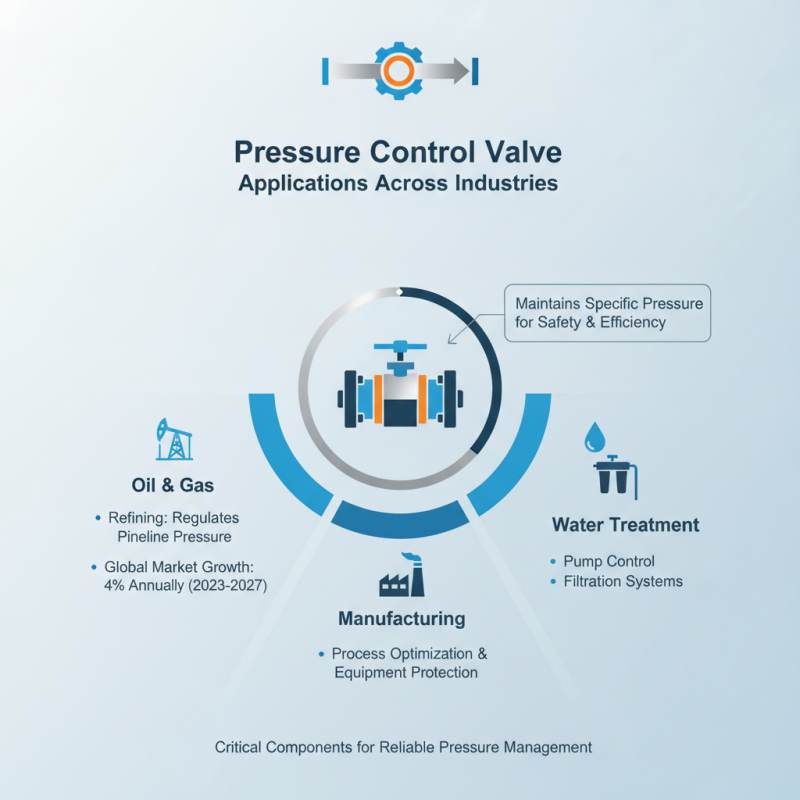
Pressure control valves (PCVs) are critical components in numerous industrial sectors. They help maintain a specific pressure within systems, enhancing safety and efficiency. key applications include oil and gas, manufacturing, and water treatment. In oil refining, for instance, PCVs ensure safe operations by regulating pressure in pipelines. The global oil and gas market relies heavily on reliable pressure management, with demand for PCVs projected to grow by 4% annually through 2027.
In manufacturing, PCVs are essential for automation processes. They maintain optimal pressure in hydraulic systems, allowing for precise control of machinery. Reports indicate that about 20% of energy use in industrial applications can be reduced with proper pressure control. It highlights the importance of integrating PCVs into design strategies for sustainability.
Tips: Regular maintenance of pressure control valves is vital. Inspect them twice a year for leaks and wear. Additionally, training staff on valve operation can prevent costly mistakes. Always consider the specific requirements of your industry when selecting PCVs. Be open to adjusting your systems as technology evolves.
Factors to Consider When Selecting a Pressure Control Valve for Your Needs
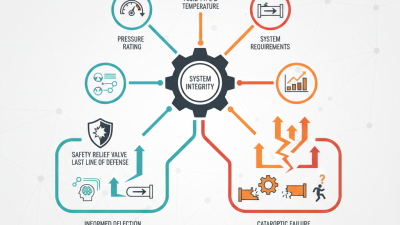
When selecting a pressure control valve for industrial applications, several critical factors come into play. The valve's material and compatibility with the working environment are paramount. For instance, valves made from stainless steel often show better corrosion resistance compared to those made from lower-grade metals. According to industry reports, improperly matched materials can lead to up to 30% increase in maintenance costs over time due to corrosion and wear.
Another key consideration is the valve's pressure rating. It should match the operational requirements of your application. A mismatch can result in valve failure, leading to costly downtimes. Recent data indicates that 15% of industrial accidents stem from improper pressure control valve specifications.
Tips: Always consult manufacturers' guidelines. This will help ensure the selected valves meet specific pressure and flow rate requirements. Additionally, think about the long-term needs of your system. Sometimes, a lower initial cost can lead to higher expenses later due to inefficiencies.
Don't overlook the importance of testing and certifications. Verify that the valve complies with relevant industry standards. This assurance can prevent future compliance issues and maintain operational reliability. Even seemingly minor choices can have significant implications for safety and efficiency in industrial environments.
Pressure Control Valve Importance in Industrial Applications
This bar chart illustrates the key factors considered by industries when selecting pressure control valves, highlighting their importance for industrial applications.