Top 5 Globe Valve Types You Should Consider for Your Project?
When considering the best types of globe valves for your project, expert insights can guide your choices. According to John Smith, a renowned valve industry specialist, "Choosing the right globe valve ensures efficiency in flow control." His expertise highlights the importance of understanding various valve types.
Globe valves have unique designs that cater to specific applications. For instance, a standard globe valve is ideal for throttling. Meanwhile, a forged globe valve excels in high-pressure environments. These differences matter significantly in performance. A project’s success often hinges on such details.
Moreover, not all globe valves are created equal. Some may face issues with flow resistance. In specific installations, wrong valve selections can lead to unnecessary complications. It’s essential for engineers to evaluate their options. By assessing the top five types, you can find the most suitable globe valve for your needs.
Overview of Globe Valves and Their Applications
Globe valves are essential components in many industrial applications. They are designed to regulate flow, making them versatile and practical. Their unique shape allows for effective throttling. Engineers often prefer globe valves when precision control is needed. These valves can handle high-pressure systems, which makes them reliable in critical scenarios.
In the chemical, oil, and gas sectors, globe valves play a vital role. They prevent backflow and leakage, ensuring safety and operational efficiency. The materials used in construction can vary, offering resistance to corrosion and extreme temperatures. However, they can create pressure drops, leading to inefficiencies if not carefully selected for the application.
Choosing the right type of globe valve requires thoughtful consideration. Factors include the fluid type, pressure levels, and temperature ranges. Each project has its unique demands, which can make selection challenging. A common pitfall is underestimating flow requirements. It's essential to conduct an in-depth analysis and avoid rush decisions. Proper installation and maintenance enhance their performance, ensuring longevity and reliability in operation.
Key Features to Look for in Globe Valves
When choosing a globe valve for your project, several key features should be considered. First, look for the body material. Common options include brass, stainless steel, and cast iron. The right choice depends on the fluid being handled and the operating environment. Each material has its own performance characteristics under varying pressures and temperatures.
Another important feature is the valve's size and flow rate. Ensure the globe valve matches your system's requirements. A valve that's too small can restrict flow, while one that's too large may lead to pressure drops. Pay attention to the valve's connection type as well. Flanged, threaded, and welded connections affect installation and maintenance.
Don't overlook the actuator mechanism. Manual or automatic options come with distinct advantages and limitations. Think about whether you need precise control or quick shut-off capabilities. Reflecting on these features can enhance your decision-making process. Choosing the right globe valve involves carefully weighing these aspects for optimal performance in your system.
Top 5 Globe Valve Types You Should Consider for Your Project
This chart shows the weight of different types of globe valves that are essential for various projects. Each type has unique benefits and applications, making it crucial to choose the right one for your needs.
Top 5 Types of Globe Valves for Various Projects
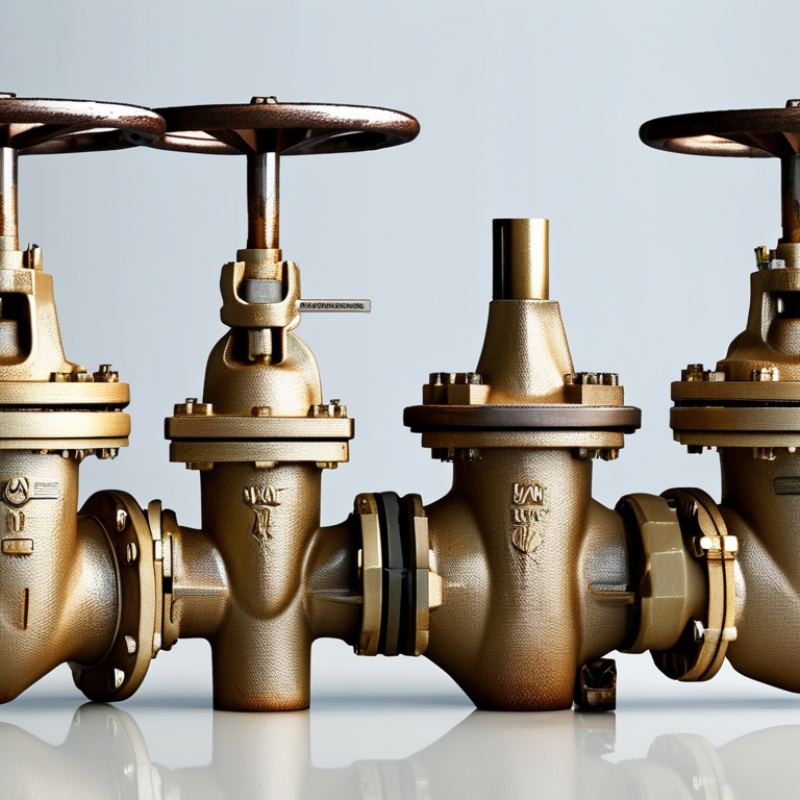
When selecting the right globe valves for your project, it's essential to consider different types suited for specific applications. A rising stem globe valve is popular for high-pressure systems. This type features a stem that moves upward as the valve opens, which allows for precise flow control. However, keep in mind they require more vertical space.
Another common choice is the non-rising stem globe valve. This variant is often used in confined spaces. The stem remains stationary while the disc opens or closes. It’s efficient but might not provide the same level of visual feedback during operation. Users must ensure their systems prioritize accessibility for maintenance.
Welding-end globe valves are ideal for permanent installations. They provide excellent sealing properties which enhance reliability. These valves are often favored in high-temperature environments. Yet, once installed, they can be challenging to replace or repair. Lastly, when dealing with corrosive fluids, consider the plastic globe valves. Despite their lightweight and easy installation, their durability relies heavily on the fluid's characteristics. Each type has its pros and cons, demanding careful assessment before decision-making.
Comparative Advantages of Each Globe Valve Type
When selecting a globe valve type for your project, understanding their comparative advantages can optimize performance. Types such as standard, angle, and Y-pattern valves each serve unique needs. For instance, Y-pattern globe valves are highly effective for high-pressure applications. They reduce flow resistance and enhance control. According to industry reports, Y-pattern valves can result in up to 20% better flow efficiency compared to traditional styles.
Standard globe valves are popular in various applications due to their ability to provide reliable throttling capabilities. However, their design can create pressure drops. Research indicates that the right selection can lead to energy savings of 10-15% in operational costs. Angle valves, on the other hand, are positioned uniquely to minimize pipe bends, making them ideal for tight spaces. They are often favored in sectors such as chemical processing.
While each valve type has distinct advantages, potential limitations exist too. For instance, some configurations may experience increased wear over time, leading to maintenance challenges. Understanding these nuances is essential for making an informed choice. Proper selection based on specific project requirements ultimately drives efficiency, safety, and long-term cost effectiveness in fluid control systems.
Best Practices for Selecting and Installing Globe Valves
When selecting globe valves for your project, it’s essential to consider both application and environment. Globe valves are known for their excellent throttling capabilities. They perform well under high pressure, making them suitable for various industrial uses. However, the wrong choice can lead to inefficiencies.
Installation requires precision. Ensure the valve is mounted correctly and aligned with the piping system. Improper installation may cause leakage or operational issues. Always check for compatibility with the medium being transported.
Tips for maintenance can prolong the valve's lifespan. Regular inspections reveal wear and tear. Keep a record of operational performance to identify any anomalies early. If issues arise, addressing them promptly prevents costly repairs later. Remember, the valves must be easy to access. If maintenance is overlooked, system failures can occur, leading to downtime. Additionally, consider the materials used. Corrosion-resistant materials enhance durability, especially in harsh environments.