Why is a Control Valve Essential for Industrial Processes?
In industrial processes, a control valve is crucial for maintaining operational efficiency. It regulates fluid flow, which is vital for many applications. Proper control valve performance can lead to improved safety and reduced costs. This component ensures that systems operate within desired limits.
Control valves come in various types, each designed for specific tasks. They can handle different materials, from water to chemicals. Selecting the right control valve is essential for process optimization. A poorly chosen valve can lead to significant issues. It may disrupt processes or increase energy consumption.
Understanding the role of control valves enhances reliability. Professionals must consider factors like pressure and temperature. Each decision impacts overall performance. Companies must evaluate their needs carefully. Effective management of control valves leads to better production outcomes and minimizes risks. A well-functioning control valve system builds trust in process integrity.
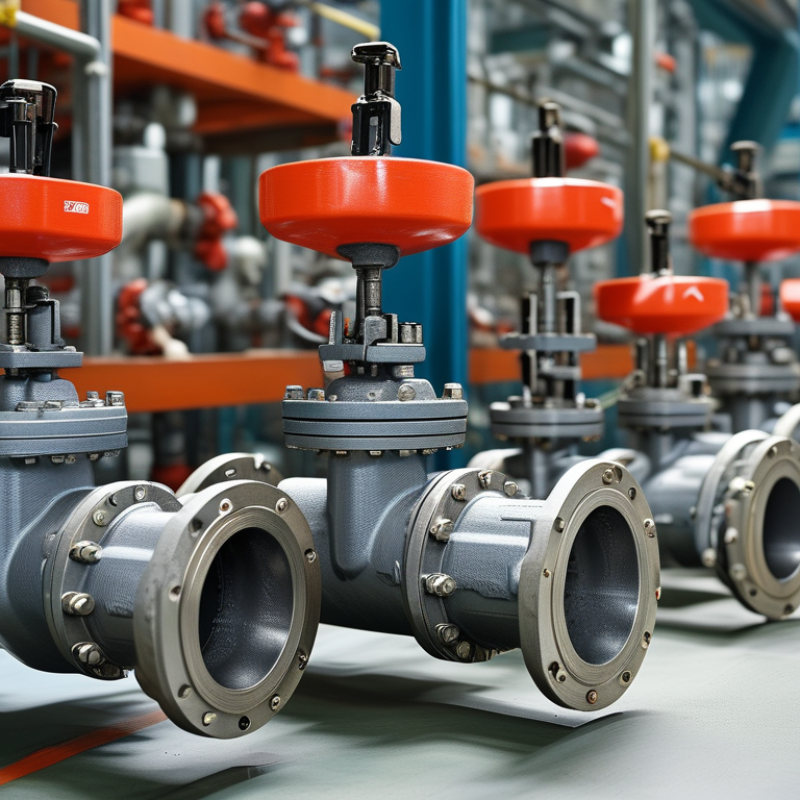
The Role of Control Valves in Regulating Fluid Flow in Industries
Control valves play a vital role in regulating fluid flow across various industrial processes. According to a report from the Control Valve Market, the global market is projected to reach $11.73 billion by 2025, showcasing the increasing reliance on these mechanisms. They are essential in managing pressure, temperature, and flow rate within pipelines, ensuring the efficiency and safety of operations.
In many industries, such as oil and gas, chemical processing, and water treatment, control valves allow precise adjustments. They help maintain optimal conditions that prevent system overloads or failures. The American National Standards Institute highlights that improper regulation can lead to catastrophic results, underlining the importance of reliable control valve operation. A recent study noted that about 30% of plant downtime is related to valve issues, showcasing inefficiencies that can arise without proper management.
While most control valves work effectively, challenges remain. Aging infrastructure can lead to failures. Inaccurate flow measurements can result in excess energy consumption. Industries must regularly invest in maintenance to mitigate these risks. Training personnel on valve operation and monitoring is equally crucial. Understanding the potential pitfalls can ensure that these essential components function reliably within critical systems.
Importance of Control Valves in Industrial Processes
This bar chart represents the distribution of control valve applications across various industries, highlighting their critical role in regulating fluid flow.
Types of Control Valves Used in Various Industrial Applications
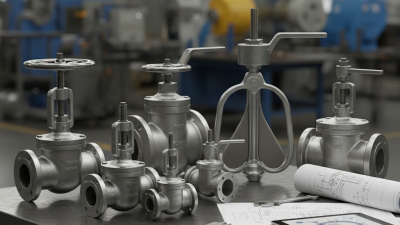
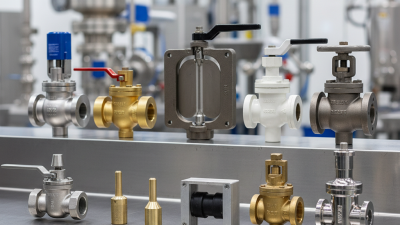
Control valves play a pivotal role in various industrial applications. They regulate the flow of liquids, gases, and steam, ensuring that systems operate efficiently. Among the different types, globe valves, ball valves, and butterfly valves are prevalent across industries. Globe valves excel in throttling flow, making them ideal for applications where precise control is necessary. In contrast, ball valves offer quick shut-off capabilities, suitable for on/off services.
According to a report by Research and Markets, the global control valve market is projected to reach $9.59 billion by 2025, driven by the increased demand in the oil and gas sector. Butterfly valves are particularly favored for their lightweight design and ability to handle large flows, which is crucial in water treatment facilities. Their versatile nature allows for usage in both high and low-pressure environments.
However, while control valves enhance operational efficiency, they can sometimes fail to perform as expected. Issues like cavitation and vibration may arise, leading to a reduction in lifespan. Maintaining these valves requires regular inspections and calibrations to avoid costly downtimes. For example, improper sizing might result in inefficient flow regulation, ultimately impacting production rates. Understanding the specific application needs is essential for optimizing performance and reliability in industrial processes.
How Control Valves Affect Process Efficiency and Safety Standards
In industrial processes, control valves play a critical role. These devices regulate fluid flow and pressure, impacting overall efficiency.
According to the 2021 report by the International Society of Automation, a well-functioning control valve can boost process efficiency by up to 25%. This boost translates into significant cost savings and productivity enhancements.
Control valves also directly relate to safety standards. An incorrect flow rate can lead to hazardous situations, such as equipment failure or, worse, accidents. The American Society of Mechanical Engineers emphasizes that 20% of industrial accidents are due to improper flow regulation. Regular maintenance of control valves is essential for ensuring they operate within safety parameters.
However, not all control valves perform optimally. Poor selection or installation can reduce efficiency and safety. This highlights the need for continuous evaluation and improvement. For instance, a study found that 15% of all control valves in service were underperforming. Identifying such issues early can prevent ongoing productivity losses and potential safety incidents.
Key Components and Mechanisms of Control Valves Explained
Control valves are vital components in industrial processes, regulating fluid flow and maintaining system stability. Their mechanisms are designed to respond to control signals. This ensures precise adjustments. According to a recent report by the Global Market Insights, the control valve market is projected to exceed $10 billion by 2026. This growth reflects their increasing importance in automation and efficiency.
Key components of control valves include actuators, positioners, and valve bodies. Actuators convert control signals into mechanical movement. This allows for accurate flow regulation. Positioners enhance response times, ensuring that valves reach their desired positions quickly. Despite advancements, issues remain. Incorrect sizing or improper calibration can lead to inefficiencies. A significant percentage of system failures are linked to control valve malfunctions.
Understanding the operating principles is crucial. Control valves often use linear or rotary motion to adjust flow rates. A study published by the International Journal of Fluid Mechanics highlights that even minor adjustments can have significant impacts on energy consumption. Therefore, regular maintenance is essential. Neglecting this can result in decreased performance and increased operational costs.
Maintenance and Troubleshooting of Control Valves in Industrial Settings
Control valves play a critical role in industrial processes, regulating flow and maintaining system balance. Regular maintenance is key to their reliable function. Without proper care, these components can experience various issues.
Common problems include leaks, blockages, and actuator failures. Each of these can lead to inefficient operation and increased costs.
Troubleshooting control valves often starts with examining the actuator. A malfunctioning actuator may not respond correctly to signals. This can cause the valve to remain stuck or operate inconsistently. It's essential to check connections and ensure they are secure.
Sometimes, a simple adjustment can resolve the issue. Regular inspection can identify wear and tear before they escalate into major problems.
Personnel must also understand the significance of routine valve testing.
Testing validates that the valves operate within defined parameters. Many operators overlook this step, assuming everything functions as designed.
Such assumptions can lead to catastrophic failures over time. Keeping detailed records of all maintenance and repairs enhances reliability. This documentation can guide troubleshooting efforts and improve overall valve performance.