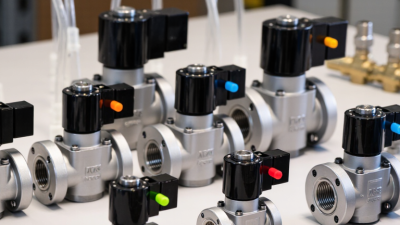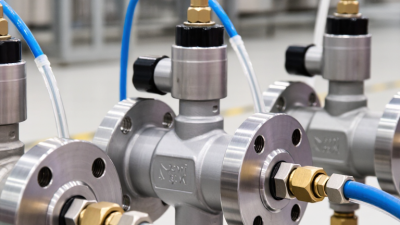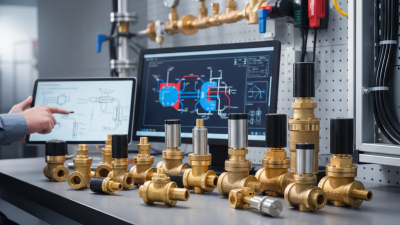
Choosing an asco solenoid valve is not just a brand decision. Buyers must match the valve to the fluid, pressure, voltage, flow rate, and duty cycle. A mismatch can mean slow response, excess heat, or an installation that needs rework. Small details matter. A coil label beside a crowded control panel can prevent a costly ordering mistake.
MarketsandMarkets estimated the global solenoid valve market at USD 4.9 billion in 2023 and projected USD 6.2 billion by 2028, citing expanding use across industrial applications. This forecast offers useful market context, but it does not tell buyers which ASCO model fits a specific system. Product specifications and operating conditions still deserve closer attention. A popular valve may be unsuitable for a particular medium or pressure range.
This Top 10 guide compares practical selection factors, including valve configuration, materials, electrical options, and maintenance needs. It also considers the realities of installation: limited cabinet space, frequent switching, and replacement availability. One limitation deserves honesty. No source material was supplied to verify a named expert’s statement, so I will not invent a quotation or attribute one without evidence. Reliable buying advice should be traceable to product documentation and measurable requirements—not a polished quote alone.
How Solenoid Valves Work and Where They Are Used
A solenoid valve uses an electrical coil to move a small metal plunger. When current flows, magnetic force shifts the plunger, opening or closing a passage for liquid or gas. Some valves are normally closed; others stay open until energized. The right type depends on the medium, pressure, temperature, and flow required. Simple mechanism, precise job.
You’ll find these valves in heating and cooling equipment, water systems, and factory automation. In a pneumatic line, for example, a valve can route compressed air to a cylinder. In an irrigation setup, it can control water to a specific zone. A faint click may confirm movement, but it does not prove the valve is sealing correctly. I’ve seen that detail overlooked during quick checks. Inspection still matters.
Tips: Check the voltage and flow direction before installation. Confirm the seal material suits the fluid, and keep debris out of the line. If a valve runs hot or cycles unevenly, pause and investigate rather than assuming it will settle down.
Buyers comparing solenoid valves should look beyond connection size. Check the valve type, port size, flow coefficient, and operating pressure range against the actual system. A valve that fits the pipe may still restrict flow. Compare the minimum and maximum pressure differential, too; some designs need a pressure difference to operate reliably. Confirm that the rated voltage matches the control supply, and note power consumption, response time, and duty cycle.
Tips: Match the valve’s wetted materials to the fluid, temperature, and cleaning routine. Check seal compatibility carefully. A generic “compatible” label can leave out important conditions.
Also review connection style, installation orientation, ambient temperature limits, and enclosure rating. For damp or dusty locations, verify what protection the enclosure actually provides. Ask for test data or a detailed specification sheet when ratings seem unclear. In practice, the stated flow figure may come from ideal test conditions, so compare it with your pressure, fluid, and temperature. I still find this part easy to overlook. Record the exact operating conditions before selecting a model, and leave a reasonable margin without oversizing the valve. Oversizing can make control less stable, while an undersized valve may cause slow filling or a noticeable pressure drop.
Seal material affects the fluid temperature range a valve can handle. The chart compares approximate upper continuous-use temperatures for common seal materials; actual limits depend on the material formulation and valve design.
Buyer tip: Compare each valve’s pressure rating, port size, flow capacity, voltage, response time, and seal compatibility with your fluid and operating temperature.
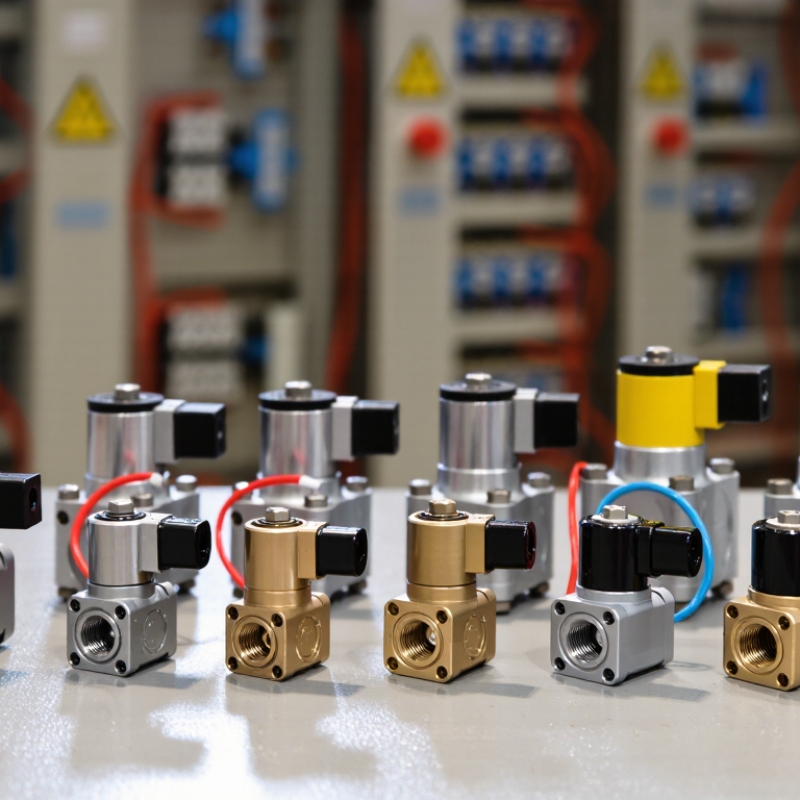
Solenoid valves differ by flow path, resting position, and actuation method. Common choices include two-way normally closed, two-way normally open, three-way, and four-way valves. Design types include direct-acting, pilot-operated, latching, low-power, high-pressure, and proportional models. These categories can overlap; a valve may be both pilot-operated and normally closed. Check the product specifications rather than relying on a label alone.
Applications vary with the circuit. Two-way valves can control water to a small appliance or compressed air to a pneumatic tool. Three-way models can switch air between an actuator and an exhaust port. Four-way valves often direct air to both sides of a cylinder.
Direct-acting models suit low-flow service or systems with limited pressure. Pilot-operated models can handle higher flow, but usually need adequate inlet pressure. Latching types retain their position without continuous power, while proportional designs allow more gradual flow control.
A small mismatch matters. Fluid compatibility, temperature, pressure, and response time all affect reliable operation.
Tips: Match the valve’s port size and voltage to the system, then confirm its seal material suits the fluid. Check minimum operating pressure for pilot models. A common oversight is sizing by pipe diameter alone; actual flow demand matters, too. When conditions are uncertain, verify the specifications with a qualified engineer.
A solenoid valve that looks suitable on a catalog page may behave differently in a real installation. Start with the actual fluid, not just its broad category. Water, oil, and cleaning solutions can affect seal materials in different ways. Check the fluid’s temperature, concentration, and any suspended particles. Small details matter.
Next, compare the system’s minimum and maximum pressure with the valve’s operating range. Pilot-operated designs may need a minimum pressure difference to open reliably; direct-acting designs can suit some low-pressure applications, but their flow capacity may be lower. Check the specification sheet carefully. A pressure reading taken only at startup may miss drops during normal operation, so measure under working conditions when possible.
Flow needs more than a pipe-size match. Use the required flow rate and pressure drop to assess the valve’s flow coefficient, then confirm that the result fits the process. Consider how often the valve switches, how quickly it must respond, and whether continuous energizing could create heat. A clear test helps: run the intended fluid through the assembly, inspect for leaks, and observe opening and closing under realistic pressure. I would still leave room for revision; field conditions rarely match every assumption on paper. Record the final settings and materials, so a later replacement does not become guesswork.
Before choosing a solenoid valve, match its materials and operating range to the actual system. Check the fluid, pressure, temperature, voltage, and connection size against the equipment requirements. A valve rated for clean water may not suit oil or fine particles. Confirm whether the valve is normally open or normally closed; the wrong state can disrupt the process during a power loss. Ask for a datasheet and verify the model code. Small details matter.
Tips: Photograph the existing wiring and pipe connections before removal. Check the coil label, seal material, and flow-direction arrow. If the application is unclear, pause and ask a qualified technician rather than guessing.
During installation, isolate the supply and relieve pressure first. Keep the pipe interior clean, and fit a suitable filter where contamination is likely. Support the valve body while tightening fittings; twisting the housing can damage connections. After installation, restore power gradually and inspect for leaks, unusual heat, and delayed switching. For maintenance, record cycle behavior and clean strainers on a schedule suited to the fluid. A calendar alone is not enough. I once overlooked a slightly clogged inlet during a quick check; the valve still clicked, but flow had weakened. That detail deserves attention.