How to Choose the Best ASCO Solenoid Valve for Your Needs?
Choosing the right ASCO solenoid valve is crucial for any project. These valves play a significant role in various applications. They control the flow of fluids efficiently and effectively. Understanding your specific needs will help you make the best choice.
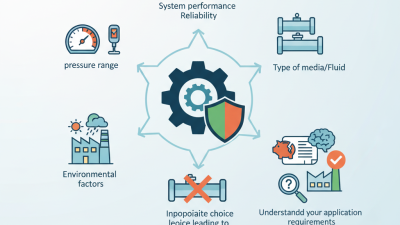
Consider the different types of ASCO solenoid valves available on the market. Each type has unique features and specifications. Think about the medium flowing through the valve, such as gas, liquid, or steam. Different valves cater to different types of media, impacting performance and durability.
It’s also essential to assess the operating environment. Temperature and pressure can vary significantly. Your selected valve must be compatible with these conditions. Ensuring reliability in harsh environments is vital. Learning from others’ experiences can guide you in making the right decision. Therefore, do your research and seek expert opinions.
Understanding ASCO Solenoid Valves: Key Features and Types
When selecting ASCO solenoid valves, understanding their key features and types is essential. These valves are used to control the flow of liquids and gases. They are commonly found in various industries, including manufacturing and HVAC systems. A trouble-free experience starts with knowing what you need.
Several types of solenoid valves exist, each designed for specific applications. Direct-acting solenoid valves are a popular choice for small flow systems. They require minimal pressure difference to operate. Pilot-operated valves, however, are suitable for larger flow systems. They can manage higher pressures more efficiently but can be more complex to install.
Material selection is another crucial factor. Options include brass, stainless steel, and plastic. Each material has its benefits and drawbacks, impacting longevity and function. It's essential to match the valve's material with the intended fluid. Improper pairing could lead to premature failure or safety risks. Always consider working with an experienced professional to ensure you're making the right decision.
Identifying Your Application Requirements for Valve Selection
Selecting the right solenoid valve requires careful consideration of application requirements. Not all valves meet the same needs, so understanding specific requirements is crucial. Start by assessing factors such as pressure ratings, fluid types, and operating temperature. These elements significantly influence valve performance. For instance, a valve operating in high-temperature conditions may require specialized materials. Not considering these aspects could lead to premature failure or inefficient operation.
Next, think about the valve's power requirements and response times. Some applications demand fast actuation, while others may prioritize energy efficiency. When evaluating response times, it's important to remember that quicker isn't always better for every system. Sometimes, slower valves can stabilize processes that require steady control. It's beneficial to experiment and analyze various setups before finalizing your choice. Testing in real-world conditions often reveals insights that specifications cannot predict. Always remain open to adjustments based on those findings.
How to Choose the Best ASCO Solenoid Valve for Your Needs? - Identifying Your Application Requirements for Valve Selection
| Application Type |
Fluid Type |
Pressure Range (psi) |
Temperature Range (°C) |
Coil Voltage (V) |
Body Material |
| Water Control |
Water |
0-150 |
5-60 |
24 |
Brass |
| Air Control |
Compressed Air |
0-100 |
0-50 |
120 |
Aluminum |
| Chemical Processing |
Acids |
0-80 |
0-90 |
12 |
Stainless Steel |
| Cooling Systems |
Coolants |
0-150 |
-10-50 |
24 |
PVC |
| Fuel Systems |
Diesel |
0-200 |
0-70 |
230 |
Brass |
Evaluating Compatibility: Fluid, Pressure, and Temperature Considerations
Choosing the right ASCO solenoid valve requires a deep understanding of fluid compatibility, pressure, and temperature. The fluid type impacts the valve material selection. For instance, corrosive fluids necessitate more resilient materials. A study from the Fluid Power Journal indicates that over 30% of valve failures are due to material incompatibility. This is a significant concern in industries like chemical processing, where specific materials can prevent leaks and failures.
Pressure is another critical factor. Solenoid valves handle varying pressure levels; understanding these is essential for safety and efficiency. A report from the Hydraulic Institute suggests that incorrect pressure ratings can lead to 25% of operational failures in hydraulic systems. Ensuring that the valve is rated for your application's maximum pressure can prevent costly downtimes and enhance system reliability.
Temperature should also not be overlooked. The performance of a solenoid valve can degrade significantly when exposed to extreme temperatures. Research indicates that operating outside the recommended temperature range can reduce a valve's lifespan by up to 50%. This calls for careful assessment of the working environment and the materials used in solenoid valve construction. Inadequate attention to these factors could lead to unexpected operational challenges.
Assessing Electrical Specifications: Voltage, Power, and Control Methods
When selecting an ASCO solenoid valve, understanding electrical specifications is crucial. Voltage is a primary factor. Common voltages for solenoid valves include 12V, 24V, and 120V. Each has its own applications in industries like manufacturing and HVAC. A 2019 report by the International Electrotechnical Commission highlighted that approximately 45% of solenoids used in industrial applications run at 24V due to safety and compatibility with modern control systems.
Power consumption also needs careful evaluation. Solenoid valves typically range from 0.5 to 10 watts. Understanding power requirements helps avoid potential overheating or failure. An industry study indicated that valves running under optimal power conditions had a failure rate up to 25% lower than those exceeding specifications. It's essential to match the solenoid's output with your system's capabilities.
Control methods, either direct or through relays, impact valve performance as well. Direct control provides instant response but may require more intricate wiring. A survey indicated that 60% of engineers prefer relay-controlled systems for ease of installation and maintenance. Reflecting on the trade-offs between these methods can influence long-term reliability and efficiency.
Analyzing Installation and Maintenance Needs for Longevity and Performance
When selecting an ASCO solenoid valve, installation and maintenance are pivotal for optimal performance. Proper installation ensures the valve operates correctly. Incorrect installation can lead to leaks or malfunction. Always check the specifications and follow manufacturer guidelines. This attention to detail pays off in the long run.
Regular maintenance is equally crucial to prolong the life of the solenoid valve. Dirt and debris can accumulate. This can cause the valve to stick or perform poorly. Clean the valve regularly and replace any worn parts. Consider using filters to minimize contamination. These small actions can prevent costly repairs or replacements later.
Tips for installation: Verify the power supply compatibility before connecting the valve. Ensure that the valve is mounted in a location that is accessible for maintenance. For maintenance: create a schedule and stick to it. Document all checks and repairs. This helps identify recurring issues. Such practices enhance the reliability of the valve system. Proceeding with care here leads to better performance over time.