What is a Globe Valve and How Does it Work?
A globe valve is a crucial component in various piping systems. It is designed to regulate flow and pressure effectively. Understanding how a globe valve works can enhance operational efficiency in industrial applications.
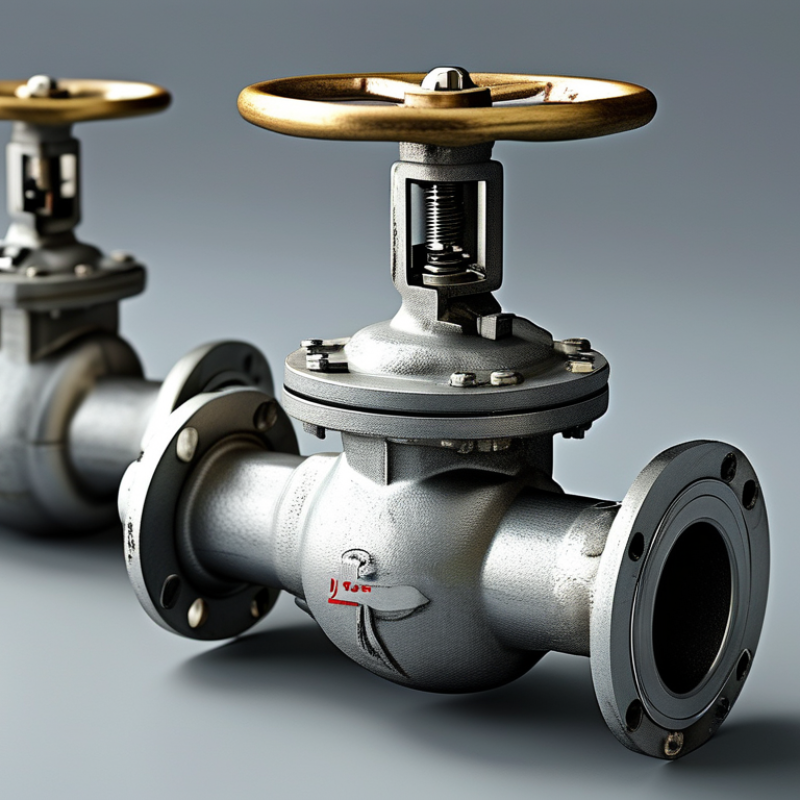
Typically, the globe valve features a spherical body with an internal baffle. This design allows for precise control over fluid flow. When the valve is closed, a movable disk blocks the passage. When opened, it allows fluid to flow smoothly through the valve. Such functionality is vital in maintaining system integrity.
While globe valves are reliable, they aren’t without flaws. For example, they can experience wear over time, leading to leaks. Regular maintenance is essential to mitigate these issues. Users must remain aware of potential challenges faced by globe valves. Investing in quality valves can yield long-term benefits.
What is a Globe Valve: Definition and Overview
A globe valve is a type of valve commonly used to regulate fluid flow in piping systems. Its design features a spherical body, which allows for efficient control. When the valve is opened, the disc rises to allow fluid to pass through. When closed, it creates a tight seal, preventing any leakage. This mechanism is crucial in various applications, such as oil and gas, water treatment, and chemical processing.
Industry reports indicate that globe valves can provide flow regulation with an accuracy rate of about 85%. This efficiency is essential for maintaining the integrity and safety of fluid systems. However, it is noteworthy that globe valves often restrict flow more than other types of valves, which may lead to pressure drops in certain applications.
Choosing the right valve for your system is vital. It's important to consider the specific flow rate requirements and pressure levels. Regular maintenance can enhance the valve's lifespan and performance. Monitoring for leaks is also crucial. These factors ensure that your piping system operates efficiently and safely, reducing potential downtime or costly repairs.
What is a Globe Valve and How Does it Work?
| Dimension |
Value |
| Type |
Globe Valve |
| Operation |
Manual or Actuated |
| Usage |
Flow Regulation |
| Materials |
Metal (Brass, Stainless Steel) |
| Pressure Rating |
Class 150 to 2500 |
| Temperature Range |
-20°F to 400°F (-29°C to 204°C) |
| Connection Types |
Threaded, Flanged, Welded |
| Applications |
Water, Oil, Gas, Chemical Processing |
Key Components of a Globe Valve and Their Functions
A globe valve is a critical component in many piping systems. Its design allows for effective flow regulation. Understanding its key components is essential for proper function and maintenance.
The body of the globe valve accommodates the internal parts. It has a spherical shape, which improves flow control. The disc is the key element that opens and closes to adjust flow. The stem connects the disc to the actuator. When you turn the handle or use an actuator, the stem moves the disc accordingly. This design ensures precise control of fluid flow.
The seat provides a sealing surface for the disc. This surface prevents leaks when the valve is closed. Over time, wear can occur on the seat, leading to potential issues. Packing around the stem helps contain the fluid and minimizes leakage. Regular inspection of packing is necessary for reliable operation. Each component plays a vital role in the valve's effectiveness. A malfunction in one area can lead to system inefficiencies. Understanding these parts can help users maintain optimal performance.
Principle of Operation: How Globe Valves Control Flow
Globe valves are crucial components in many piping systems. Their design allows for precise control of fluid flow. Understanding the principle of their operation can shed light on how they function effectively in various applications.
The flow control in globe valves is achieved through a simple yet effective mechanism. When the valve is closed, the disc moves toward the seat, restricting flow. This design enables throttling, allowing operators to adjust the flow rate carefully. According to industry reports, globe valves maintain better flow regulation compared to gate valves and are preferred in high-pressure applications. Notably, studies suggest that globe valves can reduce the flow rate by 70% or more when fully closed.
However, users encounter challenges with globe valves. They may experience a pressure drop due to their shape. The inherent resistance can lead to energy loss over time. Hence, while globe valves offer excellent flow control, their efficiency can diminish in large-scale operations. Proper selection and maintenance are essential to ensure optimal performance and longevity.
Flow Control in Globe Valves
This chart illustrates the flow control capabilities of a globe valve at different opening levels. As the valve transitions from closed to fully open, the flow rate significantly increases, showcasing its efficiency in regulating flow in piping systems.
Applications of Globe Valves in Various Industries
Globe valves are widely used in various industries due to their unique design and versatile applications. In the oil and gas sector, globe valves play a critical role in regulating flow. These valves can handle significant pressure variances, which makes them suitable for high-pressure environments. Their ability to provide smooth and gradual flow adjustments is essential for safety and efficiency.
In the water treatment industry, globe valves are commonly used for flow control. They work effectively in managing water flow rates, ensuring proper treatment processes. Their durability against corrosion also makes them ideal for this application. However, the maintenance of globe valves must be consistent, as wear and tear can lead to inefficiencies. Regular checks help in sustaining their performance over time.
In power generation, globe valves perform essential functions in steam control systems. They help manage the flow of steam and water, crucial for maintaining system pressure. Despite their effective use, improper installation can lead to operational issues. Continuous training for personnel on proper handling is necessary to avoid mishaps. Recognizing these potential pitfalls enhances the reliability of globe valves across all these applications.
Advantages and Disadvantages of Using Globe Valves
Globe valves are widely used in various industries for flow control. They offer unique advantages and drawbacks, which are essential to consider. One significant advantage is their ability to provide throttling control. According to a report by the Valve Manufacturers Association, globe valves allow for precise flow regulation, making them ideal for applications requiring variable flow rates. This feature is crucial in processes where exact fluid control is necessary.
On the downside, globe valves are not the most efficient when it comes to pressure drops. Their design creates considerable resistance in the flow path. This often leads to energy loss in the system. Research shows that the pressure drop across a globe valve can be up to 25% higher than that of a gate valve under similar conditions. Furthermore, the complexity of the design makes globe valves generally more expensive than other types. Maintenance needs can also be higher, given the number of internal parts that may wear over time.
Despite these issues, globe valves remain a reliable choice for many applications. Their robust construction allows for long-term use, yet the trade-offs in energy efficiency and cost must be carefully weighed. Ultimately, the decision to use globe valves should consider both their functional benefits and the potential drawbacks in specific contexts.