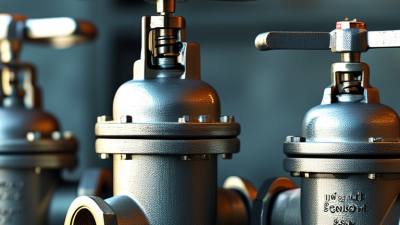
Why is a Water Pressure Relief Valve Essential for Your System?
In any plumbing and heating system, a water pressure relief valve is essential. This component protects your system from excessive pressure. According to the American Society of Plumbing Engineers, 85% of plumbing failures stem from poor pressure regulation. A water pressure relief valve minimizes these risks, ensuring safety and efficiency.
Modern systems must handle varying pressures smoothly. Without a water pressure relief valve, fluctuations can lead to leaks and bursts. The National Water Resource Institute estimates that improper pressure management wastes over 1 trillion gallons of water annually. This loss poses both economic and environmental challenges.
Investing in a quality water pressure relief valve is not just wise; it is necessary. Ignoring this critical component can lead to costly repairs. With proper installation and regular maintenance, these valves can significantly extend the life of your system. Still, many fail to recognize their importance until it's too late. A proactive approach to plumbing maintenance is crucial.
What is a Water Pressure Relief Valve and Its Function?
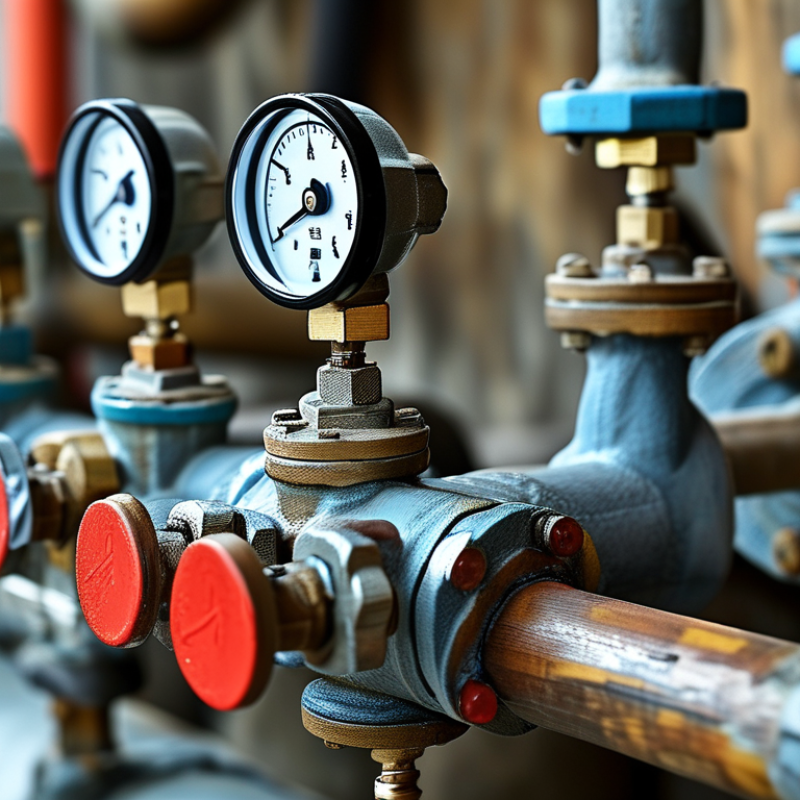
A water pressure relief valve is a crucial component in plumbing systems. It prevents excessive pressure buildup, which can lead to leaks or pipe bursts. According to industry reports, nearly 30% of plumbing failures are linked to pressure issues. These valves monitor and regulate water pressure, ensuring it remains within safe levels.
The primary function of a water pressure relief valve is to open and release water when the pressure exceeds preset limits. This helps protect not just the pipes but also appliances connected to the system. If pressure rises too high, it can compromise the integrity of the infrastructure. Ensuring the valve operates correctly can prevent costly repairs and service interruptions.
Maintaining these valves is essential for system longevity. Regular inspections should be scheduled to check for corrosion or debris that could hinder performance. If a valve shows signs of wear, it should be replaced immediately. Monitoring water pressure regularly can help identify underlying issues. Being proactive can save time and money. Use this insight to improve your system's resilience against pressure-related issues.
Why is a Water Pressure Relief Valve Essential for Your System?
| Dimension |
Value |
| Typical Pressure Range |
30-80 psi |
| Material |
Brass, Stainless Steel, PVC |
| Activation Type |
Spring-loaded, Pilot-operated |
| Common Applications |
Residential plumbing, Commercial systems, Fire protection systems |
| Maintenance Frequency |
Every 6 months to 1 year |
| Failure Indicators |
Noise, Fluctuating water pressure, Leaks |
Importance of Maintaining Proper Water Pressure in Systems
Maintaining proper water pressure is crucial for the efficiency of any plumbing or HVAC system. According to the American Society of Plumbing Engineers, water pressure should generally be maintained between 40 to 60 psi. Too high or too low pressure can lead to inefficiencies, leaks, and equipment damage. For instance, excessive pressure can stress pipes, leading to premature failures. A study by the National Fire Protection Association found that nearly 50% of all plumbing failures are due to pressure-related issues.
Not all systems can handle pressure fluctuations well. For example, residential plumbing systems often experience peaks in demand during busy hours. Without a means to regulate pressure, these spikes can cause significant wear and tear. The Institute of Inspection, Cleaning and Restoration Certification notes that improper water pressure can lead to mold growth from leaks, resulting in costly remediation.
Water pressure relief valves are integral for maintaining balance. These valves automatically release excess pressure, preventing catastrophic failures. Systems with properly functioning relief valves have a 30% lower incidence of pressure-related failures. Understanding and implementing this can greatly enhance the longevity and reliability of water systems. However, many systems fail to include adequate pressure management, creating hidden risks that can plague property owners.
Common Causes of High Water Pressure and Potential Risks
High water pressure can lead to significant problems in your plumbing system. It often arises from several common causes. One major cause is a malfunctioning pressure regulator. When this device fails, excess pressure can surge through the pipes. Another culprit may be water hammer, which occurs when water suddenly stops or changes direction. This can create a sudden, intense pressure spike, damaging pipes and fixtures.
The risks associated with high water pressure cannot be overlooked. It can cause leaks, burst pipes, and increased wear on appliances. Over time, this may result in costly repairs and increased water bills. Ensuring your system is equipped with a water pressure relief valve can mitigate these risks by automatically relieving excess pressure. This simple yet effective device can prevent extensive damage.
Staying proactive with your plumbing is key. Regularly check your pressure levels with a gauge. Install a relief valve as a safeguard against sudden surges. Keep an eye on appliances for signs of stress or leaks. Address minor issues before they escalate into major problems. A few simple steps can save you time and money in the long run.
How a Water Pressure Relief Valve Works to Protect Your System
A water pressure relief valve plays a crucial role in a plumbing system. It acts as a safety device that regulates water pressure, preventing excess strain on pipes and appliances. Research by the American Society of Plumbing Engineers indicates that improper pressure can lead to significant leaks and burst pipes, costing homeowners thousands in repairs.
Understanding how this valve operates can clarify its importance. When water pressure exceeds a preset limit, the valve opens to release excess pressure. This process can prevent calamities like pipe ruptures. According to the National Fire Protection Association, excessive water pressure has been linked to over 20% of plumbing failures in residential buildings. In many cases, these failures occur when water pressure spikes unexpectedly.
However, the installation and maintenance of these valves often go neglected. Some homeowners may overlook the manufacturer’s guidelines, risking potential pressure imbalances. Regular checks are essential for efficient performance. A study conducted by the International Association of Plumbing and Mechanical Officials emphasizes that a simple inspection can extend the life of plumbing fixtures. Investing in proper maintenance not only ensures safety but also enhances the system's longevity. Emphasizing preventive measures can make a significant difference in plumbing reliability.
Water Pressure Relief Valve Functionality
This chart illustrates the importance of water pressure relief valves in maintaining system safety and efficiency by showcasing the pressure levels under normal conditions versus maximum allowable pressure before the valve activates.
Signs Your System Needs a Water Pressure Relief Valve Replacement
Water pressure relief valves play a critical role in maintaining system safety and efficiency. A malfunctioning valve can lead to severe damage. Knowing when to replace it is essential for your plumbing system's longevity.
Common signs of a failing valve include frequent fluctuations in water pressure. This can be observed through surges or drops that impact your daily routines. Unusual noises, such as hissing or banging, are significant indicators of pressure inconsistencies. Research shows that 70% of homeowners experience at least one of these issues over time, demonstrating the need for keen observation.
Another telling sign is the presence of leaks. These leaks can occur near the valve itself, signaling that the valve has lost its ability to control excessive pressure. According to industry reports, leaking valves can lead to water damage, costing homeowners thousands of dollars in repairs. Timely replacement can prevent small issues from escalating into major problems. Always consult a certified professional when in doubt about your system's integrity.