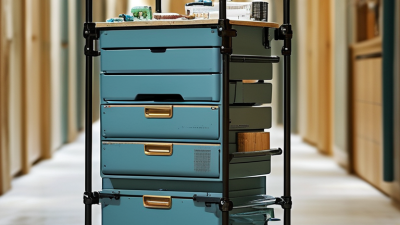
A utility dresser can bring order to a bedroom, hallway, or laundry area without taking up an entire wall. Yet the best choice is not always the largest one or the model with the most drawers. Think about what you plan to store: folded shirts, towels, cleaning cloths, or small items that tend to disappear. Measure the available floor space, including clearance for open drawers. Check the route into the room, too; a dresser that fits the corner may still be difficult to carry through a narrow doorway. A tall unit can save floor space, while a wide one may offer easier access. Small detail, big difference.
Pay attention to construction and everyday usability. Look for drawers that slide smoothly, handles that feel secure, and a stable frame that does not wobble on your flooring. If the dresser will hold heavier items, check the manufacturer’s stated capacity rather than guessing. Searches for “dresser utility” may return products with very different sizes and purposes, so compare measurements and specifications, not just photos. This guide will help you weigh storage capacity, materials, design, assembly, and price. A lower-cost dresser may suit occasional use, but thin panels or awkward drawers can become frustrating over time. One limitation worth remembering: product descriptions cannot show exactly how a drawer feels in daily use. Choose based on your room, routine, and realistic storage needs—not an idealized picture of a perfectly tidy home.
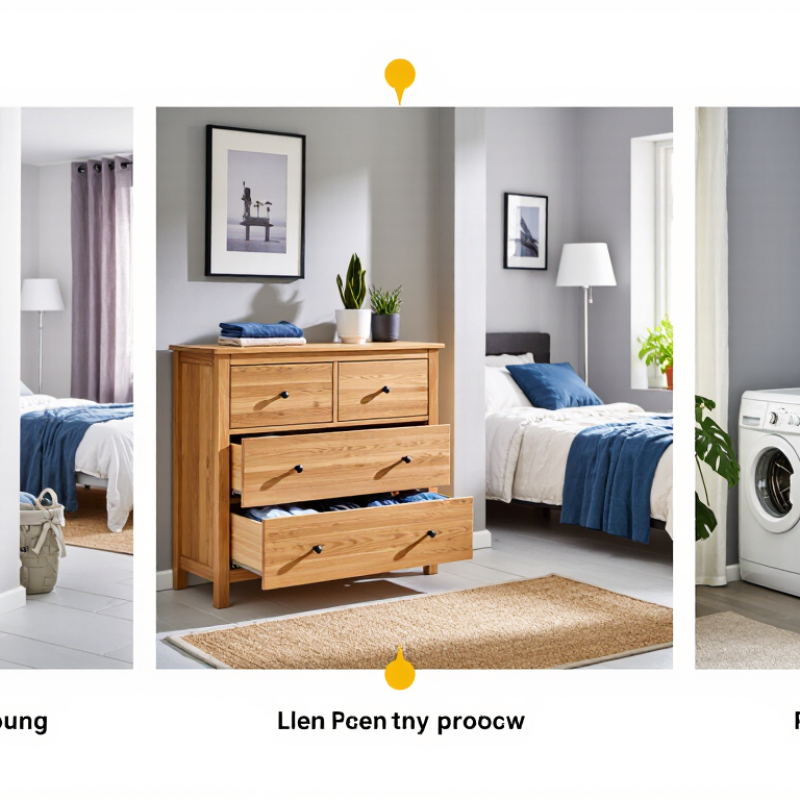
Utility dressers come in several forms, and shape affects where they work best. A tall, narrow unit uses little floor space and can fit beside a washer. A wide, low dresser offers a stable surface for folded linens or a laundry basket. Measure the space. Include drawer clearance, door swings, and baseboards in your measurements.
Materials change how a dresser handles daily use. Solid wood is sturdy, but can be heavy and may need care in damp rooms. Engineered wood often costs less; inspect its edges and drawer joints for signs of weak construction. Metal resists scuffs and suits utility areas, though its drawers may feel noisy. Plastic is lightweight and easy to wipe clean, but can flex under heavy loads. No material is perfect.
Match storage features to the items you plan to keep. Deep drawers hold towels or cleaning cloths, while shallow drawers make small tools easier to find. Open shelves and adjustable compartments suit tall bottles, but measure them before buying. That detail is easy to miss. For mixed storage, consider a combination of drawers and cabinets, plus a raised edge that helps keep items from slipping. Check the stated weight limits, drawer stops, and stability; anchor tall units when appropriate. A neat layout helps, but real utility storage tends to get messy again.
Before choosing a utility dresser, measure the room where it will stand. Note the wall width, ceiling height, and distance from nearby doors, windows, and heaters. Include baseboards, which can keep a dresser from sitting flush against the wall. A tape outline on the floor helps you picture its footprint. Don’t forget drawer depth. A dresser may fit when closed but block a walkway when its drawers are open. Small detail, big difference.
Tips: Measure every access route, not just the room. Check doorway width, hallway turns, stair landings, and elevator space. Record the narrowest point. Keep measurements in one unit, and check them twice; it’s easy to misread a tape in a hurry.
Leave enough floor space to carry and position the dresser safely. Compare the route measurements with the dresser’s packaged dimensions, if available, since packaging can add bulk. If you are unsure about a tight turn, mark the dresser’s width and depth on cardboard and test the path. It may feel a little fussy, but guessing can leave you with a piece that reaches the room and cannot get through the door.
When comparing utility dressers, measure usable drawer space, not just exterior dimensions. A 24-inch-wide drawer may lose several inches to side runners, a center rail, and thick panels. Check internal width, depth, and height, then compare the total usable volume with the items you plan to store. A tape measure and a few folded towels make a better test than a product photo. Full-extension slides expose the back of a drawer, which helps with deep storage, but they also place more leverage on the runners when heavily loaded. Smooth motion matters. A drawer that sags when pulled out is a warning, even if it looks roomy.
Look for a manufacturer-rated load per drawer and a separate rating for the entire unit. Do not assume that a high total rating means each drawer can carry the same weight. Ratings may depend on even loading and fully supported installation, so confirm the test conditions in the product documentation. ASTM International’s F2057-23 standard addresses stability requirements for clothing storage units; it does not establish one universal drawer-load rating. The U.S. Consumer Product Safety Commission’s 2023 rule adopted this standard for covered units, underscoring why stability belongs in the comparison alongside capacity. Secure the dresser as directed, especially in homes with children. One practical detail is easy to miss: dense items such as books can overload a shallow drawer long before it looks full. Give the rating a little breathing room.
A utility dresser can look compact yet still hold heavy tools, linens, or cleaning supplies. Check its height, weight, and enclosed storage volume before comparing drawers. ASTM F2057-23 covers clothing storage units that are at least 27 inches tall, weigh at least 30 pounds, and provide at least 3.2 cubic feet of enclosed storage. These are scope thresholds, not a guarantee that a particular dresser passed the standard’s safety tests. That distinction matters.
The U.S. Consumer Product Safety Commission’s 2023 Tip-Over Report recorded 234 reported tip-over deaths from 2013 through 2022. A dresser’s loaded drawers can shift its center of gravity, especially when several are pulled open. Look for clear documentation of ASTM F2057-23 compliance, then use the included wall-anchoring hardware as directed. A strap attached to drywall alone may not provide secure support; follow the instructions for your wall type and fasteners. Not enough? Check drawer stops and stability on your actual floor, too. I would still verify the measurements myself—product listings can round volume figures, and a crowded room makes it easy to skip the anchor.
Hardware can determine whether a utility dresser stays steady after years of daily use. Pull each drawer out and check whether the slides move smoothly without scraping or wobbling. Metal slides often handle frequent use better than lightweight plastic components, but sturdy construction matters more than appearance alone. Test the handles, too. They should feel secure, with no sharp edges or loose fittings. Small details matter. If replacement screws or drawer stops are available, that can make future repairs less frustrating.
Assembly requirements deserve a close look before you buy. Check whether the dresser needs two people, wall anchoring, or tools beyond a basic screwdriver. Clear instructions and labeled parts can save time, especially when several panels look nearly identical. Set aside a level floor and sort the fasteners before starting. Do not rush. I’ve found that one misaligned panel can leave drawers uneven, even when the rest of the assembly seems fine.
Read the warranty for specific coverage, duration, and exclusions. Confirm whether it covers drawer slides, handles, and structural parts, and whether shipping damaged components is included. Keep the paperwork. Save your receipt and assembly instructions, since support may ask for them later. A longer warranty is useful, but clear terms and accessible replacement parts can matter just as much.