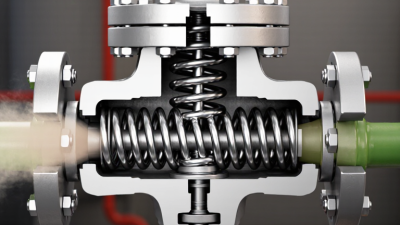
Choosing reliable manufacturers matters when a pressure relief valve protects boilers, pipelines, storage tanks, or process equipment. A small failure can cause pressure spikes, production losses, or serious safety concerns. China has a broad manufacturing base, ranging from established industrial groups to specialized valve producers. However, factory size alone does not prove technical quality.
This guide explores ten notable Chinese manufacturers and the capabilities buyers should examine before requesting quotations. The review considers product range, material selection, machining control, spring accuracy, testing procedures, certifications, export experience, and after-sales support. Practical details matter. Can the supplier provide test reports for each batch? Does its workshop use calibrated pressure equipment? Are replacement parts available years later? These questions often reveal more than a polished website.
Look for evidence.
A dependable manufacturer should explain pressure ratings, temperature limits, connection standards, and media compatibility clearly. It should also help users select valve size and set pressure based on real operating conditions. Independent inspections, traceable documentation, and consistent communication strengthen confidence. Standards such as API, ASME, ISO, or applicable national requirements may influence procurement, depending on the project and destination market.
No ranking is perfect. Product quality can vary between models, production batches, and distributors. Some suppliers may communicate well but lack deep application experience. Others may offer strong engineering but limited international support. Readers should verify current certificates, factory capabilities, references, and test records before making a final decision. This balanced approach can reduce risk and support safer, more durable equipment choices.
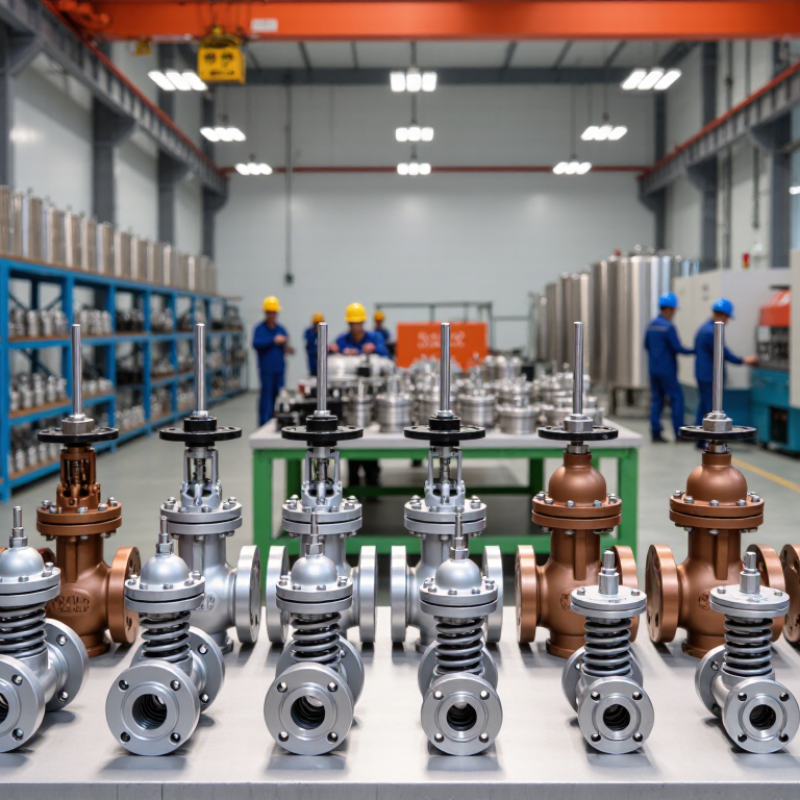
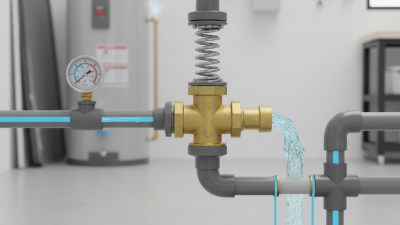
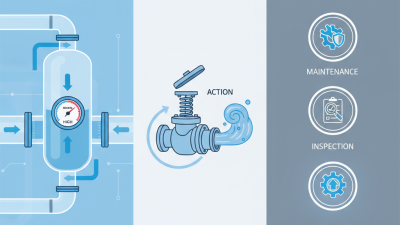
A pressure relief valve is a protective mechanical device that controls excessive pressure in a closed system. It opens when pressure reaches a preset limit. Then, it releases fluid, gas, or steam through a safe discharge path. After pressure falls, the valve should close and help the system return to normal operation.
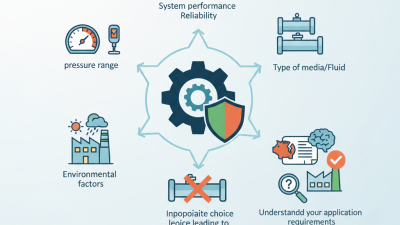
Its importance becomes clear near boilers, pipelines, storage vessels, and process equipment. Excess pressure can deform components, damage seals, or trigger dangerous leaks. A properly selected valve considers pressure rating, temperature, fluid type, flow capacity, and discharge conditions. Material compatibility also matters, especially when the fluid is corrosive or carries solid particles. Small mistakes can become expensive.
When comparing China’s top ten pressure relief valve manufacturers, buyers should examine testing records, traceability, inspection methods, and after-sales support. Certifications are useful, but they do not replace engineering judgment. A valve may meet a specification and still perform poorly if installation is incorrect. I have seen this overlooked. Real systems are messier. Blocked discharge lines, weak maintenance routines, and incorrect settings can defeat a reliable valve. Engineers should verify calibration regularly and document every adjustment. That discipline protects equipment and gives operators clearer decisions during abnormal pressure events.
China’s pressure relief valve industry has moved beyond low-cost production. Factories now combine CNC machining, digital inspection, and automated pressure testing. According to MarketsandMarkets, the global industrial valves market was valued at about USD 77.6 billion in 2024. It may reach USD 103.9 billion by 2029. This growth is pushing Chinese manufacturers toward tighter tolerances and better traceability.
The shift is visible on the workshop floor. Engineers record opening pressure, reseating pressure, and leakage results for each unit. Many export-oriented facilities design products around ISO 4126 and ASME Section VIII requirements. They also use 3D modeling to reduce spring fatigue and body distortion. However, progress remains uneven. Some suppliers still depend heavily on manual calibration. That weakness can affect repeatability. Buyers should examine test records, material certificates, and production controls instead of trusting catalog claims.
Tips: Ask for recent test reports, not sample documents. Check whether the stated pressure range matches your process conditions. Confirm material compatibility with temperature, fluid, and corrosion risks.
The China Association of Machinery Industry reports continuing investment in intelligent manufacturing, but automation alone cannot replace skilled inspection. A valve may look precise. Its performance history matters more.
China Top 10 Pressure Relief Valve Manufacturers
Ranking China’s top pressure relief valve manufacturers requires more than comparing factory size or annual sales. MarketsandMarkets projects steady growth in the global pressure relief valve market through 2029, driven by oil, gas, power, and chemical applications. That growth increases the value of reliable testing. A serious ranking should examine design capability, material control, pressure-setting accuracy, and documented field performance.
Standards matter. Manufacturers should demonstrate compliance with API 526, API 527, ISO 4126, and relevant Chinese standards such as GB/T 12243. Ranking criteria can assign 25% to product quality and testing, 20% to engineering experience, 15% to certifications, and 15% to manufacturing consistency. The remaining score should cover delivery reliability, technical support, customization, and export documentation. Independent inspection records deserve more weight than promotional claims.
Evidence must be practical.
Auditors should review calibration certificates, spring traceability, hydrostatic test records, and failure rates. A manufacturer handling high-temperature steam needs different expertise from one serving water treatment plants. Grand View Research and Fortune Business Insights report continued industrial demand, but their market boundaries differ. Their figures should guide context, not decide rankings. No ranking is perfectly objective. Some companies publish limited failure data, making comparisons incomplete. A transparent method should disclose missing evidence and update scores after customer audits, warranty records, and repeated pressure-cycle testing.
| No. | Ranking Criterion | Weight | Required Evidence | Relevant Technical Benchmark | Scoring |
|---|---|---|---|---|---|
| 1 | Product Design and Technical Coverage | 18% | Documented product range covering spring-loaded safety valves, pilot-operated relief valves, pressure-vacuum relief valves, and related accessories where applicable. | Designs should be suitable for the pressure, temperature, fluid, capacity, and installation conditions specified by the purchaser. | 0–10 |
| 2 | Compliance with International Standards | 15% | Valid test reports, certificates, design documents, and traceable conformity records for the offered valve series. | API 526 for applicable flanged steel pressure-relief valves; ISO 4126 for safety devices; ASME Section VIII where applicable. | 0–10 |
| 3 | Pressure and Seat-Tightness Testing | 12% | Routine inspection records, pressure-test procedures, seat-leakage results, and calibration records for test equipment. | API 527 provides recognized seat-tightness test procedures for pressure-relief devices. | 0–10 |
| 4 | Quality Management System | 10% | Current third-party quality certification, documented nonconformity control, internal audits, and corrective-action records. | ISO 9001:2015 certification from an accredited certification body is a strong baseline indicator. | 0–10 |
| 5 | Material Traceability and Manufacturing Control | 10% | Heat-number traceability, material certificates, welding or casting controls, machining inspection, and final documentation. | Material certificates should identify the applicable material standard, grade, heat number, and inspection status. | 0–10 |
| 6 | Flow Capacity and Sizing Support | 9% | Certified capacity data, sizing worksheets, coefficient information, set-pressure limits, and engineering support for gas, steam, and liquid service. | Sizing should follow the applicable process-design code and the selected device standard; capacity data must be supported by test or calculation records. | 0–10 |
| 7 | Application and Industry Experience | 8% | Anonymized project references, application records, installed-base information, and documented experience with relevant media and operating conditions. | Greater relevance is assigned to verified experience in sectors such as oil and gas, chemical processing, power generation, and pressure-vessel service. | 0–10 |
| 8 | Customization and Delivery Capability | 7% | Engineering-change procedures, special-material capability, quotation response time, production capacity, and documented delivery performance. | Evaluation should consider the ability to provide non-standard materials, connection types, set pressures, accessories, and inspection plans. | 0–10 |
| 9 | After-Sales Service and Maintenance Support | 6% | Installation guidance, commissioning support, spare-parts availability, repair procedures, recalibration service, and response-time commitments. | Service capability should cover inspection, disassembly, cleaning, calibration, pressure testing, documentation, and return-to-service controls. | 0–10 |
| 10 | Commercial Value and Documentation Quality | 5% | Transparent quotation, warranty terms, total cost of ownership, inspection and test plans, drawings, manuals, certificates, and final data books. | The lowest purchase price should not outweigh verified safety performance, compliance, reliability, serviceability, and documentation completeness. | 0–10 |
China’s pressure relief valve sector serves petrochemical, power, water, and process industries. Grand View Research valued the global industrial valves market at about USD 77 billion in 2023. Its forecast suggests steady growth through 2030, driven by energy upgrades and stricter process control. A separate MarketsandMarkets report expects the safety valve market to expand at a mid-single-digit annual rate. These figures support demand, but market size alone does not prove product quality.
Several focus on spring-loaded valves for boilers and compressed-air systems. Others specialize in pilot-operated designs for refineries and high-pressure pipelines. Some maintain in-house machining, welding, and calibration laboratories.
Stronger suppliers usually provide material certificates, set-pressure test records, and traceable serial numbers. Those details matter during commissioning.
A valve may pass a workshop test yet perform poorly after installation. Poor piping alignment, blocked discharge lines, and incorrect set pressure remain common causes. This is not always the manufacturer’s fault. However, better producers offer sizing support, pressure-temperature charts, and documented maintenance guidance.
Reports from the International Society of Automation emphasize measurement discipline and verification in safety-related systems. Buyers should also examine third-party certifications, response time, spare-part availability, and export testing records. The “top ten” ranking is therefore imperfect; application fit can outweigh production volume.
Choosing among China’s top pressure relief valve manufacturers requires more than comparing website claims. Start with the valve’s duty: set pressure, temperature, fluid, connection size, and discharge capacity. Ask for test records. A credible manufacturer should explain material selection, spring range, sealing method, and inspection points in clear engineering language. I have found that vague answers often signal weak process control, although this is not always true. Details matter.
Request traceable certificates for pressure tests, dimensional checks, and material composition. Confirm whether calibration equipment is regularly verified and whether each valve receives a serial-linked report. Review drawings before production, especially inlet geometry, back pressure limits, and maintenance clearances. A capable technical team will discuss installation conditions instead of simply accepting your order. Ask about sample approval, production lead time, spare parts, and after-sales response. Do not rely on polished photographs.
Factory evaluation should include machining, assembly, testing, storage, and packaging. If possible, arrange a live video audit or an independent inspection before shipment. Compare quality consistency across several batches, not only one attractive sample. Check export experience, documentation accuracy, and communication during a small trial order. The cheapest quotation may hide extra testing, rework, or downtime costs. I would also record unanswered questions; procurement decisions improve when uncertainty is visible. No supplier is flawless. What matters is how openly problems are identified and corrected.
API 526 effective orifice areas provide a neutral technical reference for comparing a manufacturer's pressure relief valve range without using company or brand data.
When evaluating Chinese manufacturers, confirm that the offered valve covers the required API 526 orifice size, design pressure, temperature, material, certification, inspection documentation, and testing requirements. Final valve sizing must be verified using the applicable process conditions and engineering standards.