10 Best Dresser Utility Carts for Global Buyers
A dresser utility cart may look simple, but the right choice can make daily routines smoother in a bedroom, salon, clinic, or small apartment. For global buyers, the details matter: drawer depth, frame stability, wheel quality, finish, and the space available beside a bed or worktable. A cart that fits one room may feel bulky in another. Measure the intended spot before comparing models.
Organizing consultant Marie Kondo writes, “The question of what you want to own is actually the question of how you want to live your life.” That idea applies to mobile storage, too. Choose for the items you actually use, not for drawer count alone. A shallow top drawer can keep combs, tools, or charging cables close at hand. Locking wheels may help the cart stay put. Smooth edges and easy-to-clean surfaces can matter in busy spaces.
Small details count. So do trade-offs. A lightweight cart is easier to move, yet may feel less steady when fully loaded. A larger model offers more capacity, but can crowd a narrow room. No single design suits every buyer. This guide compares ten dresser utility carts by practical features, likely use cases, and points worth checking before purchase. Product specifications and availability can vary by market, so verify dimensions, materials, and assembly requirements with the seller. A careful choice saves space. It may still take a little adjustment.
What Dresser Utility Carts Are and How They Are Used
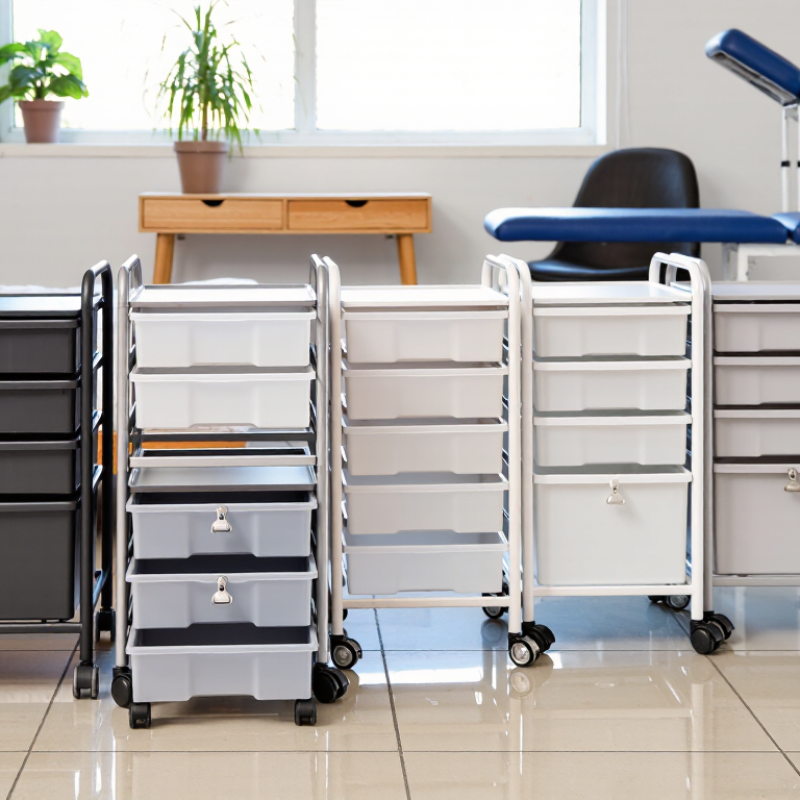
A dresser utility cart is a compact storage unit that combines drawers or shelves with wheels. It usually holds clothing, grooming supplies, craft materials, or small household items. Unlike a fixed dresser, it can move between rooms, which helps when storage needs change. Small details matter. Drawer depth affects what fits, while caster locks help keep the cart still during use. Check the stated load capacity and measure doorways before buying, especially if the cart will travel between rooms.
People use these carts in bedrooms, bathrooms, sewing spaces, and small apartments. A shallow drawer can hold socks or charging cables; an open shelf may keep folded towels within reach. In a shared home, a labeled cart can also separate each person’s supplies. Buyers should compare dimensions, materials, wheel quality, and assembly requirements rather than relying on photos alone. A cart that looks roomy online may feel cramped beside a bed. They are not magic. Wheels can catch on thick rugs, and lightweight frames may wobble when heavily loaded. For stability, place heavier items on lower shelves and follow the maker’s care and loading instructions. A utility cart can add flexible storage, but it may not replace a full-size dresser for a large wardrobe.
Key Features to Compare When Choosing a Dresser Utility Cart
When comparing a dresser utility cart, start with its footprint and usable storage. Measure the doorway, desk gap, and floor space where it will stand. Check shelf dimensions against real items, not just product photos. A deep drawer may hold folded linens, while shallow trays suit brushes or small tools. Look for the total load limit and any per-shelf limit. They are not always the same.
Mobility matters. Soft casters tend to roll more quietly on hard floors, while larger wheels can handle small thresholds more easily. Locking wheels help keep a loaded cart steady. Check whether the brakes are reachable when the cart sits beside a wall. Metal frames may feel sturdy, but exposed edges and thin coatings deserve a closer look. One trade-off is easy to miss: extended drawers can shift weight forward.
Grand View Research estimated the global home furniture market at about $537 billion in 2022, with projected growth through 2030. That broad market figure does not measure cart quality, but it underlines why buyers should compare construction carefully. Ask for clear assembly instructions, material details, and a stated weight capacity. If those details are vague, pause. I would also check replacement wheel availability; it is an unglamorous detail, yet a worn caster can make a useful cart frustrating.
10 Best Dresser Utility Carts for Different Buyer Needs
A dresser utility cart can serve very different routines, so the best choice depends on what it needs to hold. For a small bedroom, look for shallow drawers that fit folded socks, skincare, or charging cables without blocking a walkway. Measure the space with the drawers open, not just the cart’s outside width. Small details matter.
For craft supplies or shared family storage, prioritize sturdy shelves, smooth-rolling wheels, and a handle that is easy to grip. Locking wheels can help keep the cart steady while you sort materials. Check the stated weight limit and consider how weight is distributed; heavy items belong on lower shelves. A tall cart may offer more storage, but it can feel less stable when loaded unevenly.
Beauty tools and daily essentials call for a different setup. Open trays make frequently used items easy to reach, while covered drawers help limit dust. If the cart will move between rooms, check door clearances and wheel size, especially on rugs. Plastic is light and simple to wipe clean; metal may feel more rigid but can show scratches. There is no perfect layout. A cart that looks roomy in a listing may feel cramped once bottles and containers are inside, so compare interior measurements before buying.
How to Match Cart Design to Space and Storage Requirements
A useful dresser utility cart should fit the room before it fits the shopping list. Measure the intended footprint, then leave space for drawers, handles, and turning. In a narrow bathroom or bedside corner, a slim cart with vertical shelves may work better than a wide model. Check the full height, too; an upper tray can collide with a counter or window ledge.
Small detail. Wheel clearance matters. Measure door thresholds and gaps beneath furniture, and choose casters that roll smoothly over the actual floor. Locking wheels help keep a loaded cart steady beside a bed or work surface. For frequent movement, a lightweight frame is easier to steer, but it may feel less stable with heavy supplies. Check the maker’s load rating and distribute weight across shelves rather than concentrating it on one level.
Storage should match what you plan to reach every day. Shallow drawers keep small items from sliding around, while open baskets make towels or grooming tools easy to grab. If the cart will sit in a humid room, consider moisture-resistant finishes and wipe-clean surfaces. That does not mean every metal frame is automatically rustproof. Inspect seams, coatings, and drawer bottoms where moisture can collect. It is easy to overestimate how much storage is needed; a crowded cart can become awkward to clean and move.
Match Utility Cart Shelves to Common Paper Sizes
Compare standardized sheet dimensions when choosing cart shelf width and depth for documents, forms, or craft materials.
Dimensions shown are standard sheet sizes. For flat storage, check that the cart’s usable shelf width and depth accommodate both dimensions; allow extra room for easy access.
What Global Buyers Should Check Before Placing an Order
10 Best Dresser Utility Carts for Global Buyers
What Global Buyers Should Check Before Placing an Order
A useful dresser utility cart should fit its actual job, not just look spacious in a product photo. Check the assembled height, shelf spacing, and overall footprint against the room where it will be used. Confirm whether the stated load capacity applies to the whole cart or each shelf. That distinction matters. Ask about frame material, surface finish, and how the cart handles moisture or frequent cleaning. For international orders, compare dimensions in millimeters and inches, and verify carton size and gross weight before arranging freight. A mismatch can raise shipping costs or complicate storage.
Tips: Request photos of the wheels, brakes, joints, and underside of each shelf. Confirm that the casters suit the intended floor and can turn in a tight space. Ask for assembly instructions and a sample inspection checklist. A polished listing is not a substitute for clear specifications.
Before approving production, agree on tolerances for dimensions and finish, plus how visible defects will be recorded. Check that packaging protects corners and hardware during long transit; small parts can shift inside a carton. If possible, inspect a pre-production sample under ordinary lighting. It may reveal sharp edges or wobbly joints that photos miss. Still, a sample cannot represent every unit, so define inspection steps for the full order. Leave time for questions. Rushed approvals are easy to regret.