What is a Water Pressure Relief Valve and How Does It Work
In the realm of plumbing and water management, the significance of a water pressure relief valve cannot be overstated. This crucial component plays an essential role in safeguarding plumbing systems from the detrimental effects of excessive pressure. According to industry expert Dr. Emily Henderson, a renowned plumbing engineer, "A water pressure relief valve is the unsung hero in any water system; it prevents catastrophic failures by maintaining safe pressure levels."
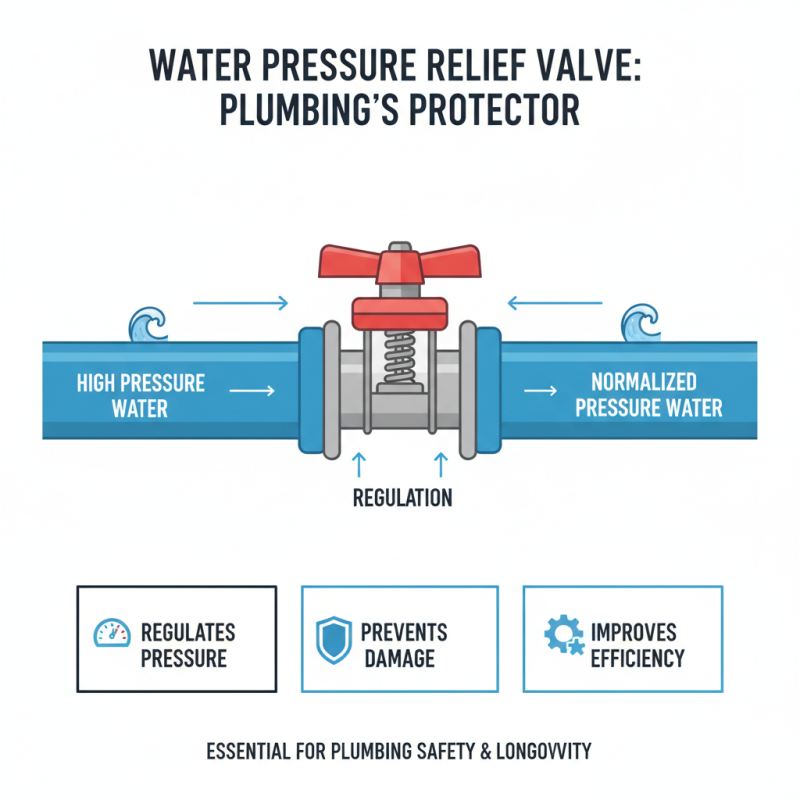
Understanding how a water pressure relief valve operates is vital for both homeowners and professionals alike. When water pressure exceeds a predetermined level, the valve automatically opens, allowing excess water to escape. This not only protects pipes and fixtures from damage but also enhances the overall efficiency of the water system. Without this mechanism, high pressure can lead to leaks, bursts, and costly repairs.
As we delve deeper into the intricacies of water pressure relief valves, it becomes clear that these devices are indispensable in maintaining the integrity of water delivery systems. This article will explore the functionality, benefits, and maintenance of water pressure relief valves, illustrating their critical role in ensuring a safe and efficient plumbing infrastructure.
What is a Water Pressure Relief Valve?
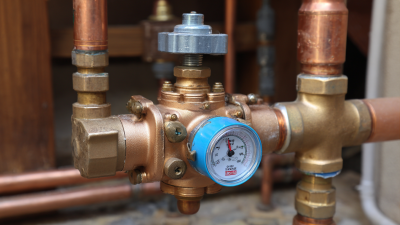
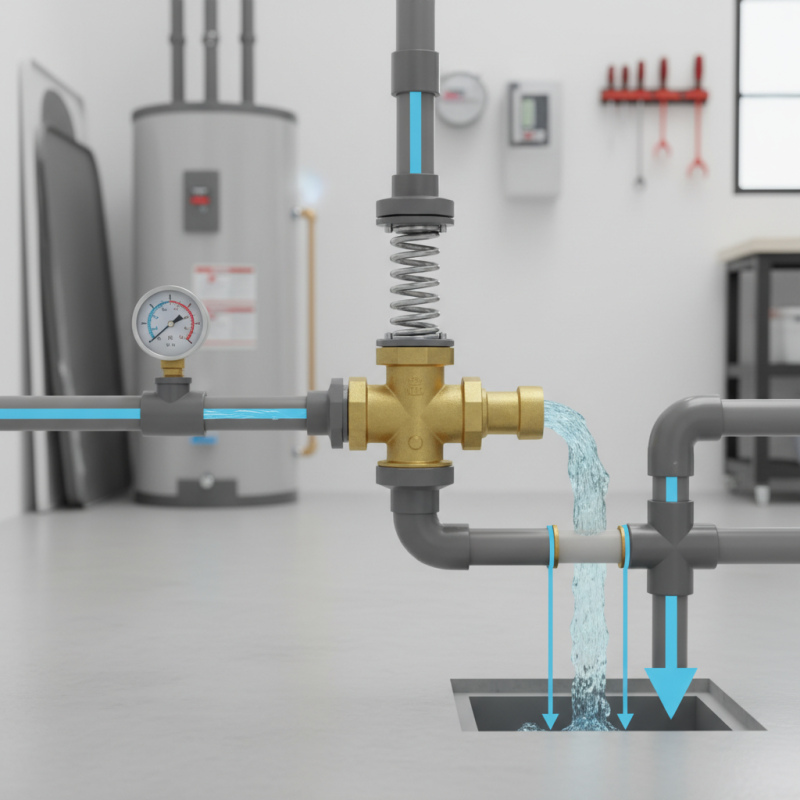
A water pressure relief valve is a crucial device installed in plumbing systems to regulate and maintain optimal water pressure. Essentially, it serves as a safety measure, preventing excessive pressure that can lead to pipe bursts or appliance damage. Typically situated close to the water supply entrance of a building, this valve automatically opens to release excess pressure once it exceeds a predetermined limit. This ensures that the system operates efficiently without risking costly damages.
When it comes to maintaining your water pressure relief valve, regular checks are essential. Occasional testing can ensure its proper functioning and prevent unexpected malfunctions. Make it a habit to inspect the valve for any signs of wear and tear or leakage. Additionally, keeping the surrounding area free from debris can contribute to the valve’s longevity and effectiveness.
It's important to consider the setting of your pressure relief valve. The optimal pressure setting will depend on your specific plumbing system and needs, generally ranging from 50 to 80 psi. Adjusting this threshold should only be done by a qualified professional to ensure safety and compliance with local regulations. By understanding and properly maintaining your water pressure relief valve, you can safeguard your plumbing system for years to come.
Water Pressure Relief Valve Performance Analysis
This chart illustrates the performance of various water pressure relief valves under different pressure settings. The data shows how the relief pressures correlate with the flow rates, demonstrating the efficiency of each valve type.
The Purpose of a Water Pressure Relief Valve
A water pressure relief valve is an essential component in plumbing systems, designed primarily to manage and regulate water pressure within pipes and appliances. Its main purpose is to prevent excessive pressure build-up, which can lead to leaks, bursts, or damage to plumbing fixtures. By monitoring the pressure levels, the valve opens at a pre-set limit, allowing excess water to escape safely, thereby protecting the integrity of the entire system.
In addition to safeguarding household or commercial plumbing systems, the water pressure relief valve also plays a crucial role in enhancing the efficiency of water heaters and other appliances. When water pressure exceeds optimal levels, it can lead to inefficient operation or even failure of equipment. By maintaining an appropriate pressure balance, the valve ensures that appliances function smoothly, prolonging their lifespan and preventing costly repairs. Overall, the water pressure relief valve is a vital safety device that contributes to the reliability and longevity of plumbing infrastructure.
How Does a Water Pressure Relief Valve Function?
A water pressure relief valve is a crucial component in plumbing systems, designed to regulate the pressure of water flowing through pipelines. It plays a vital role in maintaining safety and efficiency by preventing damage to the plumbing infrastructure caused by excess pressure. Understanding how this valve functions is essential for proper maintenance and operation.
The operation of a water pressure relief valve hinges on its ability to sense pressure changes within the system. When the water pressure exceeds a predetermined threshold, the valve activates and opens to release excess pressure. This mechanism typically involves a spring-loaded diaphragm or piston that reacts to the pressure levels, providing a quick response to prevent potential damage. Once the pressure drops back to safe levels, the valve automatically closes, ensuring a balanced and controlled flow of water. This automatic operation helps to protect appliances and fixtures from excessive pressure, prolonging their lifespan and maintaining optimal performance in the plumbing system.
In addition to safeguarding the plumbing infrastructure, water pressure relief valves also contribute to energy efficiency. By preventing pressure fluctuations, they reduce the workload on water heaters and pumps, leading to energy savings and lower utility bills. Understanding their function highlights the importance of regular maintenance checks to ensure these valves are working correctly, reinforcing their role in a well-functioning plumbing system.
Common Applications of Water Pressure Relief Valves
Water pressure relief valves are essential components in various systems where excess pressure could lead to damage or failure. These valves help maintain safe operating conditions by releasing water when the pressure exceeds predetermined limits. Common applications of water pressure relief valves include residential plumbing systems, industrial water systems, and irrigation systems, where they serve to protect pipes and fixtures from potential damage due to overpressure.
In residential settings, pressure relief valves are frequently installed in water heaters to prevent overheating and potential explosions caused by the build-up of steam pressure. According to industry studies, nearly 80% of plumbing failures are attributed to high pressure, which emphasizes the critical role these valves play in maintaining system integrity. In industrial applications, such as manufacturing or processing plants, these valves are vital for safeguarding equipment and ensuring compliance with safety regulations. The average operating pressure in such environments can exceed 150 psi, necessitating reliable pressure relief mechanisms to prevent costly downtimes and enhance worker safety.
Irrigation systems also benefit from the installation of pressure relief valves, particularly in regions where variable water pressure can affect system performance. Data from agricultural reports indicate that improper pressure management can reduce irrigation efficiency by up to 30%, directly affecting crop yields. By incorporating pressure relief valves into these systems, farmers can optimize water usage and protect their investments, making these valves a crucial element in modern water management practices.
Maintenance and Troubleshooting Tips for Water Pressure Relief Valves
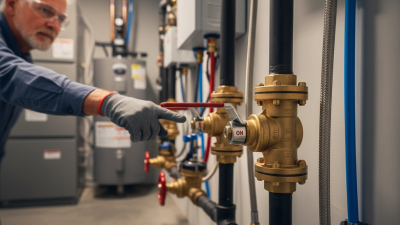
Proper maintenance of a water pressure relief valve is essential for ensuring the safety and efficiency of your plumbing system. Regular inspections should be conducted to check for signs of wear or damage. Look for leaks, corrosion, or any blockages that could affect the valve's performance. Additionally, periodic testing is crucial; you can do this by manually activating the valve to ensure it releases pressure as intended. If the valve does not respond or shows any irregularities during testing, it may need to be cleaned, repaired, or replaced.
Troubleshooting common issues associated with water pressure relief valves can save time and prevent costly repairs. If you notice fluctuations in water pressure or frequent and unexpected discharge, this could indicate a malfunction. First, assess the water supply pressure; if it's too high, you may need to adjust or replace the pressure regulator. In cases where the valve continuously drips or leaks, sediment build-up may be the culprit. Flushing out the valve or cleaning it can often resolve this issue.
Always ensure you follow safety precautions when inspecting or handling valves, and consider consulting a professional if you're uncertain about performing maintenance tasks.