What is a Valve DC Gear Motor and its Applications?
Valve DC Gear Motors play a crucial role in various industries, providing motion and control in applications like robotics and automation. According to recent market research, the global DC motor market is projected to reach over $20 billion by 2025. This growth is driven by the increasing demand for efficient and compact drive solutions.
These motors are designed to deliver high torque at low speeds, making them ideal for precise control tasks. Industries such as automotive, aerospace, and manufacturing leverage Valve DC Gear Motors for their efficiency. Automation trends are pushing for better performance and reliability, highlighting the need for continuous improvement in motor technologies.
However, there are challenges in the evolving industry landscape. Some products may not meet the rigorous demands of modern applications. Companies must address these gaps to ensure robustness and reliability in performance. As such, understanding the capabilities and limitations of Valve DC Gear Motors is essential for optimizing their application in various domains.
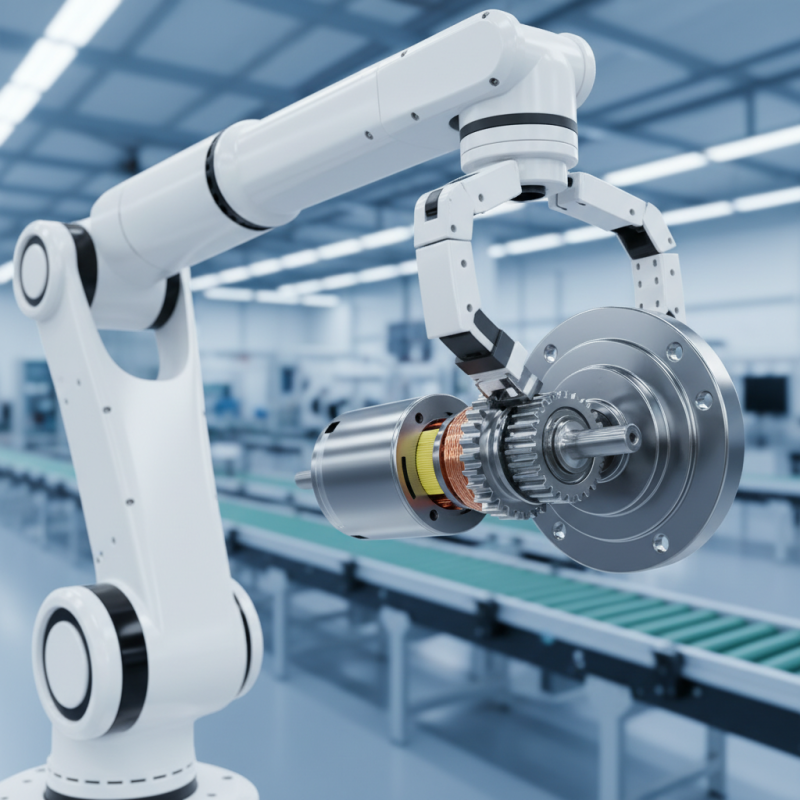
What is a Valve DC Gear Motor and How Does It Work?
A Valve DC Gear Motor combines a direct current motor and a gear system. This design provides high torque while maintaining manageable speed. The simplicity and efficiency of this device make it popular in various applications. According to a recent industry report, the global market for DC gear motors is expected to grow significantly, reaching over $1.4 billion by 2025.
The operation of a Valve DC Gear Motor involves converting electrical energy into mechanical energy. The motor drives the gears, which reduce the speed and increase the torque. The gear ratio is crucial. A higher ratio delivers more torque but reduces speed exponentially. This can cause performance trade-offs, often requiring careful calibration.
Applications for this motor type span several industries. They're commonly found in robotics, automotive systems, and automation. A study revealed that 45% of manufacturers use DC gear motors for precise control in automated processes. However, issues like gear wear and motor overheating must be monitored. Neglecting these factors can lead to failure and increased downtime in production environments.
Key Components of a Valve DC Gear Motor Explained
A Valve DC Gear Motor is engineered to provide precise control in various applications. It combines a direct current (DC) motor with a gear mechanism, allowing for controlled speed and torque. The key component, the DC motor, converts electrical energy into mechanical motion. This motion is often not linear but needs to be modulated.
The gear system in these motors plays a critical role. Gears reduce the speed of the motor's shaft while increasing the torque. This means a small motor can power larger, heavier loads. However, the choice of gear ratio is essential, as it can affect efficiency. An incorrect ratio might lead to performance issues.
Another important element is the valve itself, which controls the flow of fluids or gases. This function is crucial in many industries, including manufacturing and automation. By using a valve DC gear motor, operators gain better control over processes. Yet, if not properly maintained, these systems can fail, leading to potential operational disruptions. Understanding the intricacies of these components can significantly enhance their effectiveness.
What is a Valve DC Gear Motor and its Applications? - Key Components of a Valve DC Gear Motor Explained
| Component | Description | Materials Used | Common Applications |
| DC Motor | Converts electrical energy into mechanical energy to drive the gear system. | Copper, Steel | Robotics, HVAC systems |
| Gearbox | Reduces speed and increases torque for effective operation. | Aluminum, Plastic | Automative applications, Conveyor systems |
| Feedback Sensor | Monitors the motor position for precise control. | Silicon, Glass | Industrial automation, Smart appliances |
| Controller | Regulates the motor's speed and direction. | Plastic, Copper | Robotics, Home automation systems |
Common Applications of Valve DC Gear Motors in Various Industries
Valve DC gear motors are versatile components used widely in various industries. They combine electric motors with gear systems to enhance torque and control speeds. These motors operate smoothly in applications requiring precise movements. In automation, their role is crucial. They help in controlling the positioning of valves. This is essential for industries like oil and gas.
In the medical field, valve DC gear motors are vital for equipment automation. They assist in operating devices like infusion pumps. Precision is key here. Any miscalibration can lead to serious issues. Regular maintenance is crucial to ensure their reliability.
Tips: Always check compatibility with existing systems. Incorrect specifications can lead to inefficiencies. Moreover, consider the environment where the motor will be used. Harsh conditions may require special designs.
In robotics, these motors enable precise motion control. They help in moving robotic limbs efficiently. However, the complexity of integration can be challenging. A thorough understanding is needed for effective application. Collaborating with experienced engineers can mitigate potential issues.
Benefits of Using Valve DC Gear Motors Over Other Motor Types
Valve DC gear motors offer several advantages when compared to other motor types. These motors are compact and efficient. They deliver higher torque at lower speeds. This feature makes them ideal for applications requiring precise control. According to a recent industry report, the efficiency of DC gear motors can reach up to 90%. This efficiency is often higher than that of traditional AC motors, which may only achieve around 70% in similar applications.
One significant benefit is their lower power consumption. Industries using valve DC gear motors often experience reduced energy costs. For example, a study highlighted that using DC gear motors can reduce energy consumption by as much as 30% in automated systems. Additionally, these motors have lower noise levels. This can contribute to a more pleasant working environment. However, one should consider the potential complexity in design and control with these motors.
In some applications, the control systems may require additional components. This can raise initial costs and install difficulty. Despite their benefits, not all setups may be suited for valve DC gear motors. Understanding the specific requirements of your application is crucial. The trade-offs must be weighed against the benefits for optimal results.
Recent Trends and Innovations in Valve DC Gear Motor Technology
Recent innovations in valve DC gear motor technology have expanded their applications significantly. These motors are now more efficient than ever. The use of advanced materials has reduced weight. Efficiency ratings have improved, leading to better performance.
Newer designs incorporate smart features. For instance, sensors can monitor motor performance in real-time. This allows for proactive maintenance and reduces downtime. However, not all manufacturers have embraced these technologies. Some still rely on outdated methods, leading to inefficiencies.
The versatility of valve DC gear motors is evident in various sectors. From manufacturing to robotics, their impact is profound. Yet, with rapid advancements, it is crucial to evaluate the trade-offs. Balancing innovation with reliability remains a challenge for engineers. As technology evolves, so do the expectations of users.
Recent Trends in Valve DC Gear Motor Technology