Top Pressure Safety Valve Solutions for Global Buyers?
In the world of industrial safety, the pressure safety valve is a critical component. It serves as a vital line of defense, preventing over-pressurization in systems that handle gases or liquids. For global buyers, understanding the best solutions available is essential.
A reliable pressure safety valve can safeguard against hazardous situations. Industries such as oil and gas, pharmaceuticals, and manufacturing require stringent safety measures. Each sector has unique pressures and demands that the valves must meet. Many buyers face challenges choosing the right product. With so many options, finding a trusted manufacturer is crucial.
Moreover, effective solutions may not always be straightforward. Complications can arise if the right specifications are not considered. Buyers need detailed information to make informed decisions. Collaborating with trusted suppliers ensures that the chosen valves fit their specific needs. As the market evolves, the emphasis on quality and expertise becomes more pronounced. This increasing complexity underscores the importance of rigorous evaluations in every purchase.
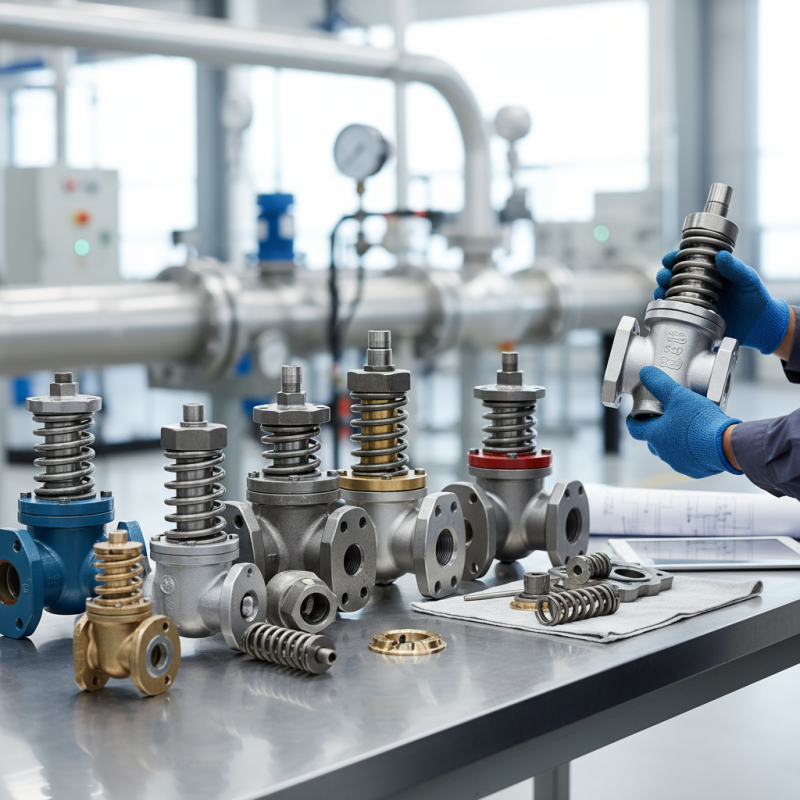
Overview of Pressure Safety Valves and Their Importance
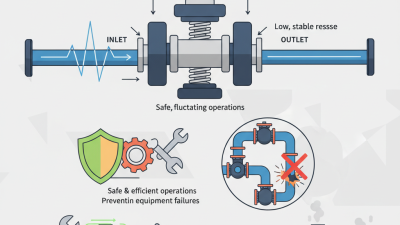
Pressure safety valves (PSVs) play a crucial role in maintaining safety in various industries. These valves protect equipment from overpressure by releasing excess pressure. When a system reaches its set pressure limit, the valve opens automatically. This action prevents possible explosions or catastrophic failures. The importance of PSVs cannot be overstated, as they ensure operational safety and help prevent costly incidents.
Understanding the different types of PSVs is essential. Each valve type has its specific application and design features. For instance, spring-loaded valves are common in many applications due to their simple mechanics. However, they may not be suitable for all scenarios. In contrast, pilot-operated valves offer high accuracy but can be more complex. Buyers often face a challenge in selecting the right valve, which requires careful consideration of several factors, including fluid type and operating conditions.
Some organizations struggle with maintaining their PSVs. Regular testing is vital to ensure valves function correctly. Neglecting this can lead to severe consequences. Unfortunately, many industries still lack adequate training in valve maintenance. This gap highlights the need for better education and awareness. Without proper training, even the best safety valves can fail to perform when needed. Therefore, finding reliable resources and knowledgeable personnel is critical for effective operation.
Top Pressure Safety Valve Solutions for Global Buyers
Key Factors to Consider When Selecting Pressure Safety Valves
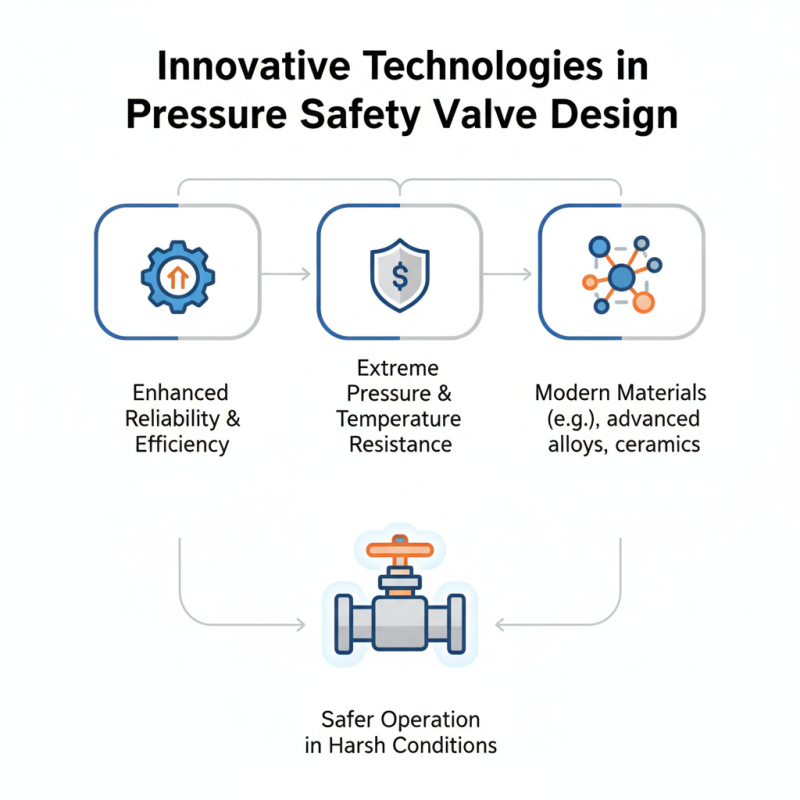
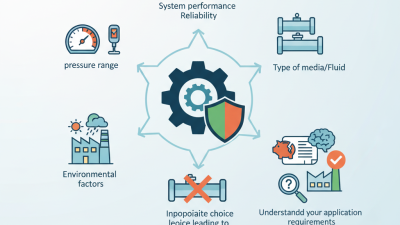
When selecting pressure safety valves, several key factors come into play. The application environment is crucial. Different industries may face unique operational challenges. Thus, the material of the valve must withstand specific pressures and temperatures. Understanding this aspect ensures durability and safety.
Another important consideration is the valve design. The configuration affects not only efficiency but also ease of maintenance. A well-designed valve provides reliable performance under varying conditions. Regular maintenance can sometimes be overlooked. A clear maintenance schedule is essential to avoid unexpected failures.
Pressure setting is equally significant. Selecting a valve with the appropriate pressure set point helps in preventing overpressure situations. Buyers must analyze their operational requirements carefully. Misjudging this can lead to critical safety issues. It’s a balance between function and safety that requires thoughtful consideration.
Top Pressure Safety Valve Solutions for Global Buyers
| Application |
Material |
Size Range (inches) |
Pressure Rating (PSI) |
Temperature Range (°F) |
Certifications |
| Oil & Gas |
Stainless Steel |
1/2 - 6 |
150 - 4500 |
-20 to 450 |
API, ASME |
| Chemical Processing |
Carbon Steel |
1/4 - 8 |
75 - 3000 |
-40 to 400 |
ISO, CE |
| Power Generation |
Alloy Steel |
3/4 - 10 |
200 - 6000 |
100 to 800 |
B 31.1, B 31.3 |
| Pharmaceuticals |
316L Stainless Steel |
1/2 - 4 |
150 - 2500 |
-10 to 300 |
FDA, GMP |
Top Manufacturers of Pressure Safety Valves in the Global Market
The global market for pressure safety valves is witnessing significant growth. Recent studies indicate that the industry is expected to reach USD 5 billion by 2025. This growth is driven by increasing safety regulations and the rising demand for efficient pressure management in various sectors. The oil and gas industry remains a key player, accounting for about 30% of the market share.
Top manufacturers are focusing on advancements in technology. Enhanced materials and smart valve designs are becoming common trends. Reportedly, about 40% of the market is shifting toward automation. This change reflects a growing emphasis on safety and efficiency. However, many manufacturers still grapple with challenges like production costs and supply chain disruptions.
Quality assurance remains a critical aspect. The right manufacturing process can significantly impact safety performance. Yet, inconsistencies in quality control can lead to failures. Reports suggest that nearly 25% of valve failures are due to manufacturing defects. It highlights the need for reviewing and improving quality standards. This area requires continuous reflection and adaptation to evolving industry needs.
Regulatory Standards and Compliance for Pressure Safety Valves
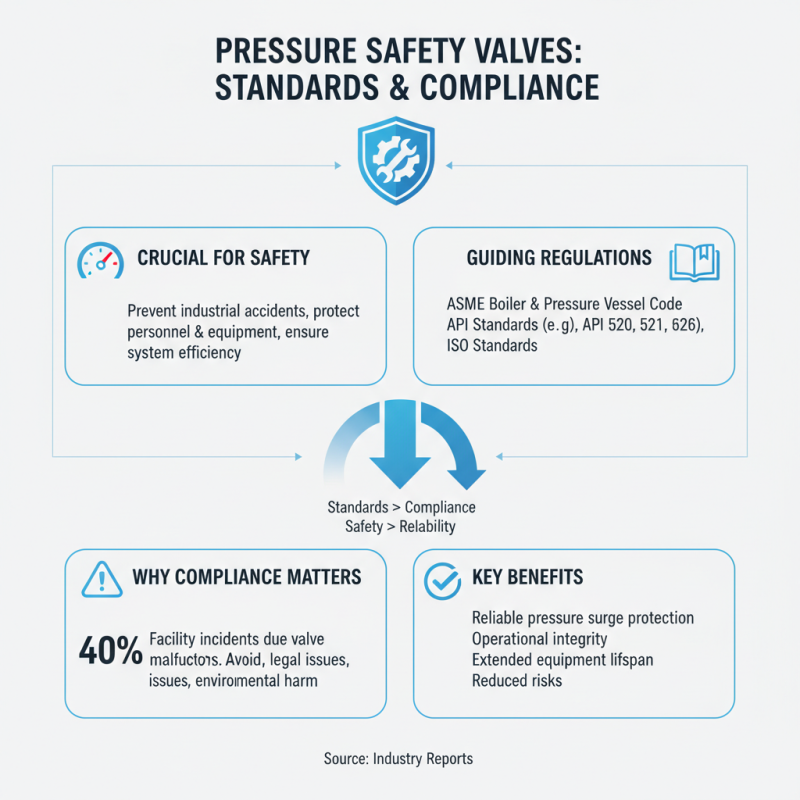
Pressure safety valves (PSVs) are crucial in ensuring the safety and efficiency of industrial systems. Regulatory standards are vital for guiding their design and operation. Standards like the ASME Boiler and Pressure Vessel Code outline rigorous requirements. Compliance ensures that PSVs can handle unexpected pressure surges without failure. According to industry reports, around 40% of facility incidents arise from valve malfunctions. This highlights the need for adherence to regulatory standards.
Recent data suggests that over 60% of companies face challenges with compliance. This can stem from lack of training or outdated equipment. Non-compliance not only endangers personnel but also leads to significant financial losses. Investing in training and modernization can mitigate these risks. Additionally, organizations must regularly review their safety systems. Regular audits could catch potential failures before they develop into severe incidents.
In some regions, the complexity of regulations can lead to confusion. This ambiguity might tempt companies to overlook certain requirements. However, this approach is risky. It can result in catastrophic failures that not only harm workers but also damage property. Therefore, a proactive stance in understanding and implementing these standards is imperative for long-term success and safety.