Top 10 Pressure Relief Valve Questions Every Buyer Should Know?
In the industrial sector, pressure relief valves (PRVs) play a crucial role in ensuring safety and efficiency. According to a report by the National Board of Boiler and Pressure Vessel Inspectors, about 80% of boiler accidents are linked to faulty pressure relief systems. This statistic underscores the importance of understanding these devices. A well-chosen PRV can prevent catastrophic failures, making it essential for buyers to navigate their options wisely.
When considering a pressure relief valve, various factors come into play. Specifications like set pressure, material compatibility, and flow capacity are vital. Each choice can impact system reliability and operational costs. Data from the Valve Manufacturers Association indicates that proper valve selection can enhance system performance by up to 30%. However, many buyers overlook this, leading to costly errors and inefficiencies.
Navigating these complexities requires a solid grasp of the technology. Buyers should ask informed questions to match specific needs with applicable solutions. By doing so, they not only ensure compliance with regulatory standards but also foster long-term reliability in their operations.
Understanding the Basics of Pressure Relief Valves
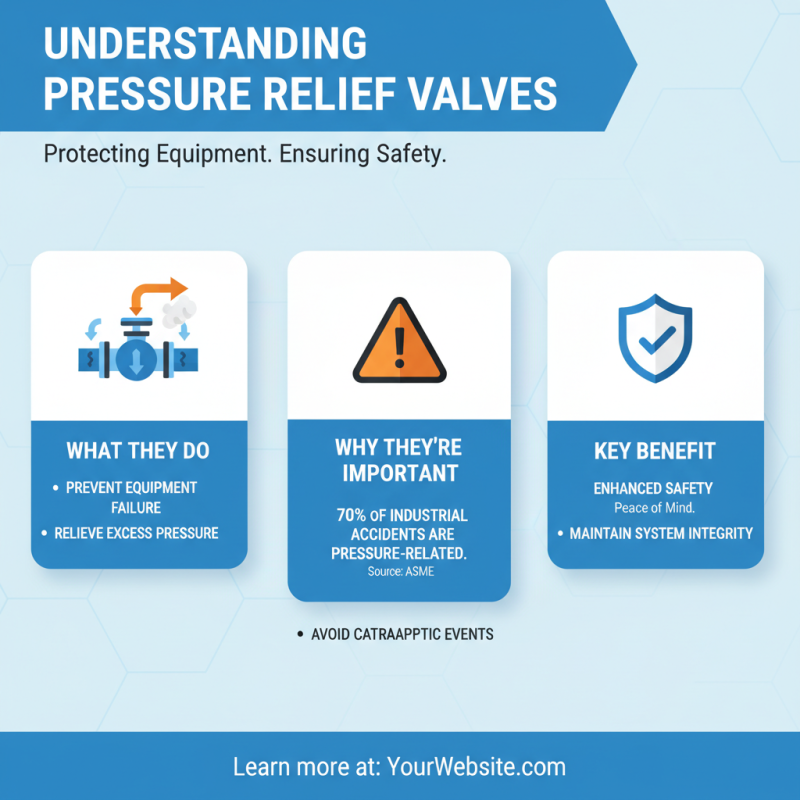
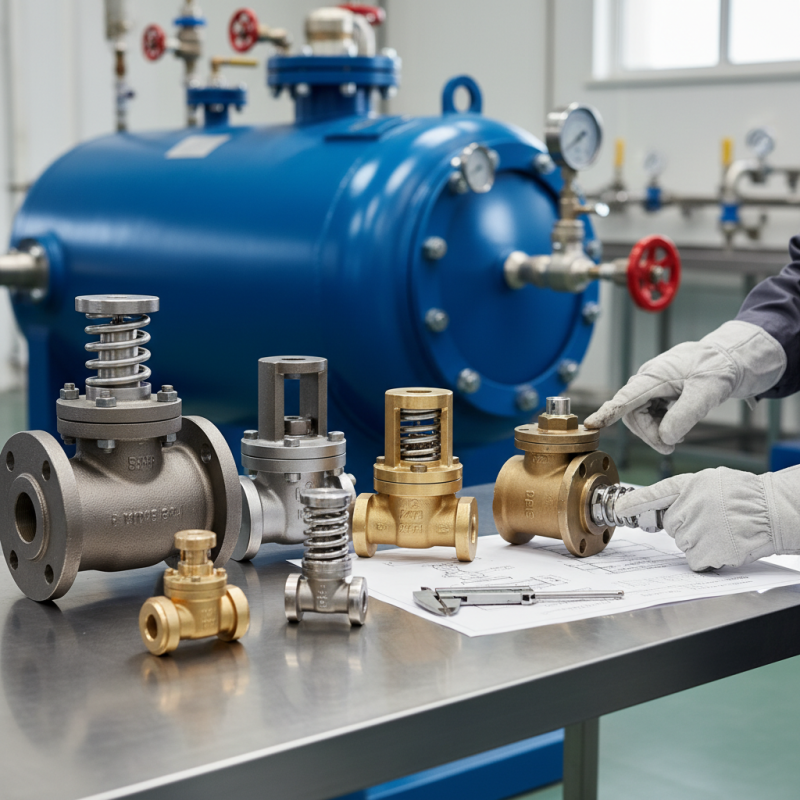
Pressure relief valves (PRVs) are crucial in many industrial applications. They help prevent equipment failure and ensure safety. Understanding their function is essential for every buyer. According to the American Society of Mechanical Engineers (ASME), over 70% of industrial accidents may involve pressure-related failures. PRVs are designed to relieve excessive pressure. This prevents catastrophic events that could compromise equipment integrity.
Different types of PRVs exist, including spring-loaded and pilot-operated designs. Spring-loaded valves are simpler but may not offer precise control. Pilot-operated valves, on the other hand, provide greater accuracy and responsiveness. The choice between them affects system performance and safety. A recent report by the International Society for Automation indicated that improper PRV selection accounts for nearly 25% of all pressure-related incidents. Buyers must weigh these factors carefully.
Data shows that maintenance practices also impact PRV effectiveness. Regular inspections and testing are vital. Neglecting these can lead to failure when most needed. The industry recommends a thorough review of pressure settings and valve condition every six months. Such measures enhance reliability, yet many buyers overlook them. A better understanding of these basics can lead to informed decisions about safety and efficiency in pressure management.
Key Factors in Selecting the Right Pressure Relief Valve
Selecting the right pressure relief valve is critical for safety and efficiency. Consider the application first. Different industries require specific performance standards. For instance, the chemical sector may demand features that withstand corrosive environments. Look into the materials used. They directly impact valve longevity and reliability.
Next, evaluate the pressure and temperature ratings. A valve must operate within specified limits to prevent failure. Also, examine the valve size. An improperly sized valve may not relieve pressure effectively, leading to hazardous situations. It's important to involve engineers in this decision-making process to ensure accuracy and reliability.
Finally, pay attention to the maintenance needs. Some valves require regular upkeep while others are more self-sufficient. Assess your team’s capacity to handle maintenance tasks. Not all staff will have the same level of expertise. This can lead to oversights. Always have backup plans to address valve failures quickly. Ensure that your selection process is thorough and considers all factors.
Common Applications for Pressure Relief Valves
Pressure relief valves are critical components in various industries, ensuring safety and efficiency. These valves are commonly found in chemical processing plants, oil and gas operations, and water treatment facilities. They prevent equipment from over-pressurizing, which could lead to catastrophic failures. In a chemical plant, a malfunctioning valve can result in dangerous leaks or explosions. Regular maintenance and proper selection of these valves are vital for safety.
In the oil and gas industry, pressure relief valves protect pipelines and storage tanks from excess pressure. A sudden surge in pressure can cause severe damage and environmental hazards. Therefore, understanding the specific application is crucial. For example, valves designed for high-temperature environments must withstand extreme conditions. Each application may require different specifications, including materials and sizes. This complexity means buyers must consult experts to ensure they make informed choices.
Water treatment facilities also rely heavily on these valves. They manage pressure in various processes, including filtration and disinfection. An improperly sized valve can lead to inefficiencies and increased operational costs. Buyers should reflect on their system's unique needs and seek out reliable information. Selecting the right valve is not merely about price; it involves understanding its operational context.
Maintenance and Testing Requirements for Pressure Relief Valves
Pressure relief valves (PRVs) are essential for maintaining safety and efficiency in industrial applications. Regular maintenance and testing are crucial to ensure their reliable performance. These valves must be tested periodically to check for proper operation. Some industries recommend testing every six months, while others may have annual requirements. These intervals can vary based on factors like service conditions and specific regulations.
Testing a PRV involves simulating pressure relief to confirm its set point and response time. It requires experienced personnel to interpret results accurately. Maintenance tasks can include visual inspections, cleaning, and ensuring that all components are functioning. Some users might overlook these steps, putting safety at risk. Additionally, PRV performance can degrade over time due to corrosion or other wear factors.
Many operators may find it easy to forget about regular checks. This can lead to serious consequences down the line. Implementing a structured maintenance plan is critical. Documenting all inspections and repairs can help in tracking the valve's performance history. This approach can prevent future problems and enhance the overall reliability of pressure systems. Reliable valves contribute significantly to operational safety and efficiency.
Pressure Relief Valve Maintenance and Testing Requirements
Troubleshooting Common Issues with Pressure Relief Valves
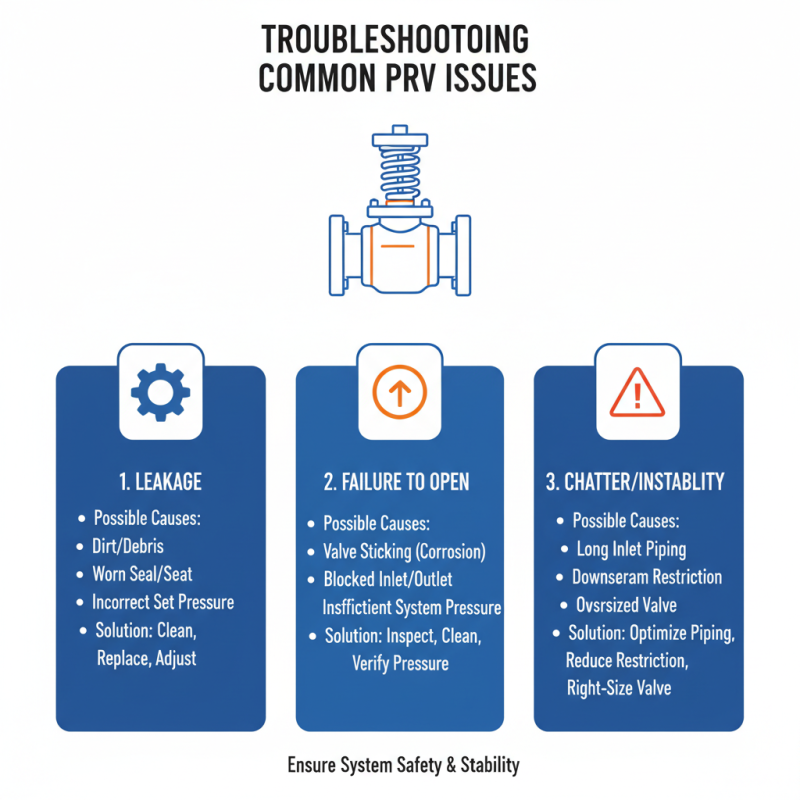
Pressure relief valves (PRVs) are critical components in many systems. They ensure that pressure levels remain safe and stable. However, users often encounter issues with these valves. Understanding common problems is essential for effective troubleshooting.
One frequent issue is leakage. If a PRV is leaking, it may indicate a worn seal or incorrect installation. Regular inspections can prevent this problem. Another common concern is valve chatter. This occurs when the valve opens and closes rapidly, causing noise and potential damage. Adjusting the set pressure or checking for debris can help mitigate this issue.
Another challenge involves failure to open. This may result from incorrect pressure settings or mechanical blockages. Users should routinely test their PRVs to confirm proper functionality. Over time, even well-maintained valves can degrade, leading to performance issues. Keep thorough records of maintenance to track changes and identify patterns. Remember, proactive measures can prevent costly downtime.