Pressure control is a critical aspect of various industries, including oil and gas, chemical processing, and manufacturing. According to a recent report by Grand View Research, the global pressure control equipment market is projected to reach $9.2 billion by 2025, driven by the increasing demand for efficient and safe operations. This highlights the necessity for reliable pressure control solutions in today’s dynamic environment.
In this context, selecting the right pressure control solution can significantly enhance operational efficiency and safety. Industry experts emphasize that improper pressure management can lead to severe accidents and financial losses. In fact, data from the American Petroleum Institute reveals that equipment failure due to inadequate pressure control contributes to 20% of operational downtime.
While there are numerous options available, understanding the specific needs of each application is key. Not all solutions fit every scenario, and buyers often face challenges in determining which systems offer the best performance and reliability. Seeking expert advice and analyzing market trends can significantly aid in making informed decisions. These considerations set the stage for exploring the top 10 pressure control solutions tailored for global buyers.

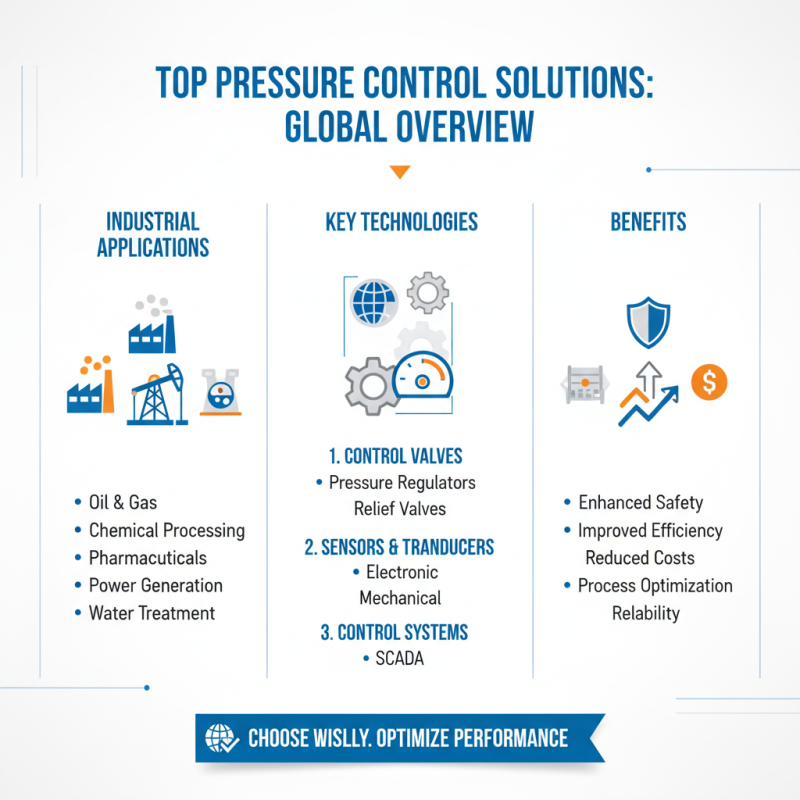
In the quest for effective pressure control solutions, understanding global options is vital. Various industries rely on these systems to maintain safety and efficiency. The suitable pressure control method can make a difference in performance. It is essential to analyze specific needs based on the application.
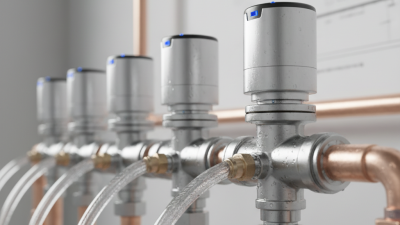
One option is the utilization of pressure regulators. These devices help manage the pressure within a system to prevent displacement. Users should consider their materials and environment when choosing regulators. Conducting thorough testing is necessary. What works in one scenario may not suit another.
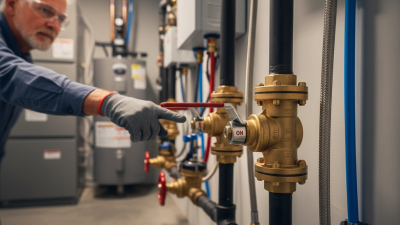
When exploring pressure control options, keep in mind the importance of maintenance. Routine checks can prolong equipment lifespan. Tips for maintaining pressure systems include regular inspection of seals and connections. Proper lubrication can also enhance overall functionality. Avoiding shortcuts during installation is crucial; as improper setups lead to leaks. Remember that a knowledgeable technician can significantly improve system reliability.
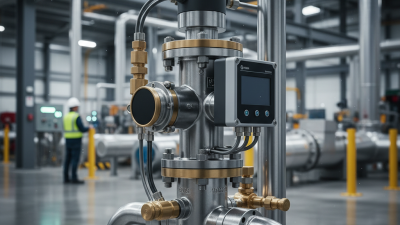
Pressure control technologies play a crucial role in various industries. They ensure safety and efficiency during operations. High-performance pressure control systems offer features like real-time monitoring. This allows for immediate adjustments to changing conditions. Organizations can avoid costly failures by maintaining optimal pressure levels.
Many pressure control solutions include advanced sensors and data analytics. These tools provide valuable insights. Users can make informed decisions quickly. The flexibility of modern systems allows customization for specific applications. However, some technologies may require significant investment. This can be a barrier for smaller companies.
Reliability is key in pressure management. Equipment must endure harsh environments without failure. Regular maintenance is necessary, yet often overlooked. Companies should invest time in training staff on these solutions. A lack of expertise can lead to missed opportunities. Users must recognize the balance between cost and capability. Adopting the right technology is essential for long-term success.
| Solution | Key Features | Benefits | Applications |
|---|---|---|---|
| Electronic Pressure Regulators | Precision control, digital output | High accuracy, remote monitoring | Oil & Gas, Chemical Processing |
| Hydraulic Pressure Control Systems | Robust design, adjustable settings | High reliability, ease of maintenance | Construction, Manufacturing |
| Pneumatic Pressure Control Valves | Fast response, compact size | Improved efficiency, space-saving | Food Processing, Packaging |
| Pressure Relief Valves | Automatic operation, safety features | Safety assurance, compliance with standards | Oil & Gas, Power Generation |
| Back pressure Regulators | Stable operation, high flow rates | Enhanced process control, reduced downtime | Refining, Petrochemical |
| Digital Pressure Gauges | Real-time readings, data logging | Increased accuracy, easier data analysis | Water Treatment, HVAC |
| Flanged Pressure Control Devices | Heavy-duty construction, wide compatibility | Longevity, versatile use | Power Plants, Heavy Industry |
| Smart Pressure Transmitters | Wireless communication, advanced diagnostics | Remote monitoring, predictive maintenance | Chemical Plants, Aerospace |
| Integrated Pressure Control Systems | Multi-functionality, software integration | Streamlined operations, reduced costs | Manufacturing Cycles, R&D |
| Mechanical Pressure Regulators | Simple design, reliable performance | Cost-effective, easy to maintain | HVAC Systems, General Industry |
In the world of pressure control solutions, cost-effectiveness is paramount for global buyers. Identifying the right solution involves careful analysis of different options. Companies must weigh initial costs against potential long-term savings. Some solutions may seem affordable upfront but could require costly maintenance or frequent replacements.
Investing in advanced materials can lead to better durability and reliability. However, the upfront costs may deter some buyers. A balance is critical. Buyers should also consider the total cost of ownership (TCO). This evaluation includes installation, maintenance, and operational expenses over the product's lifespan. Many solutions fail to provide transparent pricing, leading to uncertainty.
Sustainability is becoming a key factor too. Eco-friendly options often present a higher initial investment. Yet, they save money over time through energy efficiency. Buyers must reflect on their priorities. Are they looking for short-term savings or long-term benefits? Realigning these goals can greatly influence decision-making. The process isn't straightforward, and ongoing evaluations are essential.
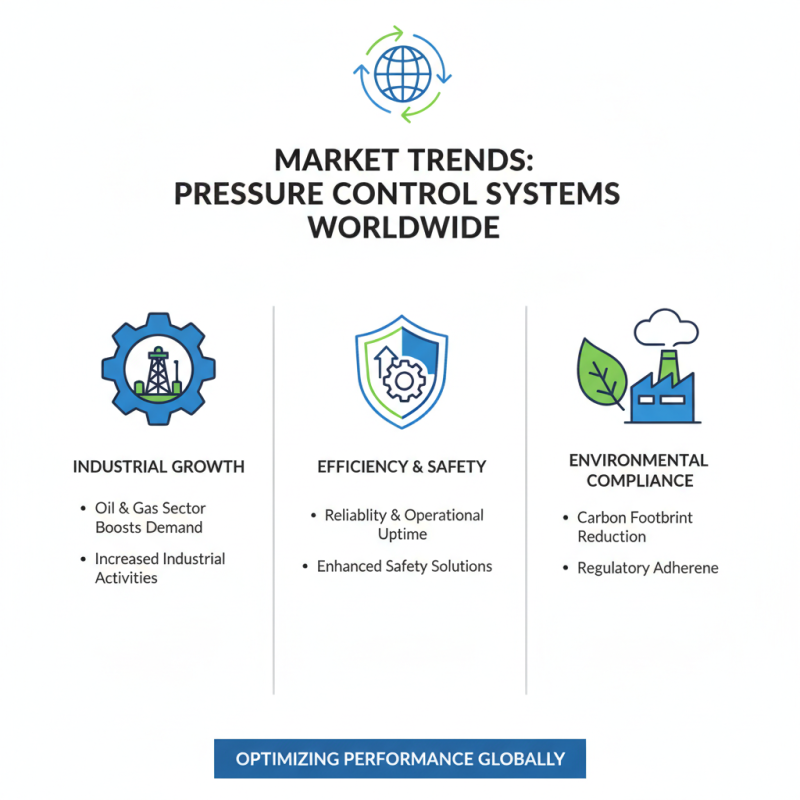
The market for pressure control systems is experiencing dynamic changes. Increased industrial activities, especially in oil and gas, drive demand. Companies seek efficient solutions that enhance safety and operational reliability. Compliance with environmental regulations is crucial as well. Many enterprises aim to minimize their carbon footprint while optimizing performance.
Technological advancements are also reshaping market trends. Innovations in sensor technology improve monitoring capabilities. Wireless solutions enable remote control and data collection. User-friendly interfaces enhance usability. However, the rapid pace can overwhelm some organizations. They struggle to keep up with the latest advancements. Organizations often carry outdated systems that may hinder efficiency.
Sustainability remains a key focus. Growing attention to eco-friendly practices influences purchasing decisions. Buyers are increasingly favoring solutions that allow for better energy management. Yet, not all products meet these sustainability criteria. Ensuring a balance between cost and environmental impact is a challenging aspect for global buyers.
Regulatory standards play a crucial role in the development of pressure control solutions. Various global organizations set these standards to ensure safety and reliability. For instance, the American Society of Mechanical Engineers (ASME) and the International Organization for Standardization (ISO) provide guidelines for system design and performance. The compliance rate for pressure control systems is over 95% in many regions, reflecting the industry's commitment to safety.
Despite high compliance rates, gaps still exist in some applications. Data indicates that nearly 30% of companies struggle to meet evolving regulations. This issue can arise from a lack of training and awareness among staff. Regular audits and updates to training programs can bridge this gap.
Implementing advanced monitoring systems can also enhance compliance. Continuous monitoring can detect deviations quickly, mitigating risks effectively. In an evolving regulatory landscape, consistent adaptation is necessary. Achieving full compliance is a continual process, not a one-time effort. Industry professionals must remain vigilant to ensure ongoing reliability and safety in pressure control solutions.