Top Flow Control Valve Suppliers in China for Global Buyers?
In the dynamic landscape of industrial automation, the role of flow control valves is pivotal. These components regulate the flow of liquids and gases across various applications, ensuring optimal performance and safety. According to a market research report by Industry Research, the demand for flow control valves is expected to grow at a CAGR of 5.7% from 2021 to 2026. This growth reflects a broader trend in industrial sectors that require precise control mechanisms.
Experts assert the significance of choosing reliable suppliers. Dr. Jane Holloway, a noted authority on fluid control systems, emphasizes, “Quality flow control valves can significantly impact system efficiency.” Her insights underscore the crucial nature of this niche market in China's expanding industrial framework, where numerous suppliers strive to meet global standards.
However, sourcing quality products often poses challenges due to varying standards. Buyers must navigate a landscape filled with suppliers offering different qualities. This can lead to reflections on the balance between cost and reliability. Understanding the Chinese supply chain for flow control valves is essential for global buyers aiming for long-term success.
Overview of Flow Control Valves and Their Applications
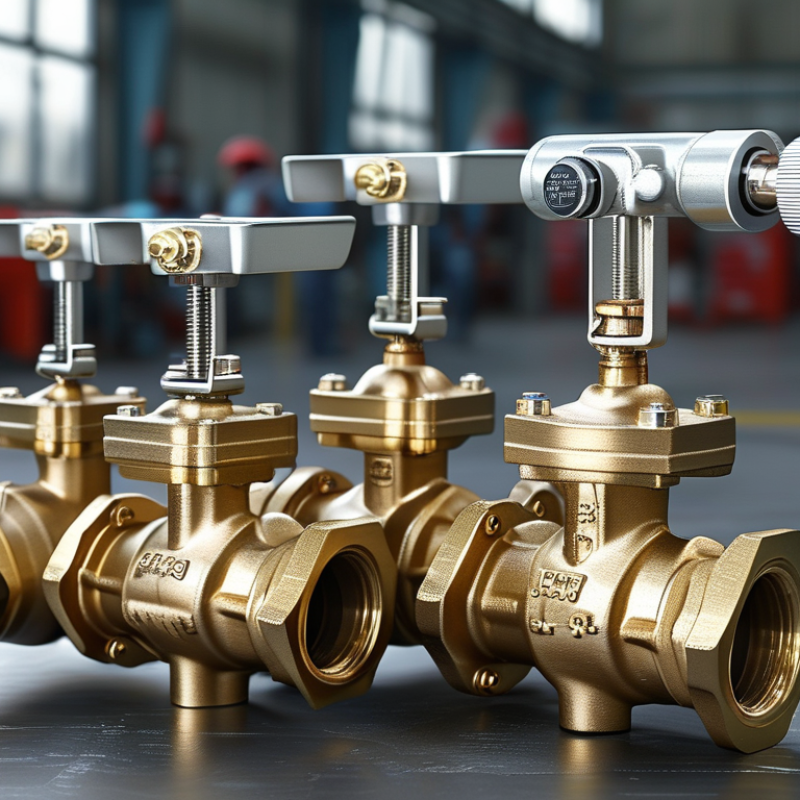
Flow control valves are essential components in various industrial systems. They regulate fluid flow rates and pressure, ensuring efficient operation. These valves are widely used in sectors like oil and gas, water treatment, and manufacturing. Their reliable performance can significantly impact a system's overall efficiency.
In applications requiring precise control, flow control valves play a critical role. They help maintain optimal conditions, preventing potential system failures. Taking care of these valves is crucial. Regular maintenance ensures their longevity and reliability. However, not all systems receive adequate attention, which can lead to performance issues.
Choosing the right flow control valve supplier is vital. A supplier's expertise and experience can make a significant difference. Buyers should consider technical support and product variety. Engaging with knowledgeable suppliers creates a dependable partnership. Ultimately, informed decisions lead to better fluid management and operational success.
Criteria for Selecting Top Suppliers of Flow Control Valves
When selecting top suppliers of flow control valves, several criteria come into play. Firstly, industry experience is crucial. A supplier with years of expertise is often more reliable. They are likely to grasp complex requirements better. Experience also indicates their ability to adapt to challenges.
Quality assurance is another essential factor. Manufacturers should provide certifications, such as ISO. This certification reflects their commitment to consistent quality. Buyers should inquire about testing procedures and materials used. Understanding the production process can reveal more about a supplier's integrity.
Another aspect to consider is customer service. A responsive supplier fosters a better partnership. Clear communication is vital. Whether addressing concerns or providing updates, support should be timely. Exploring feedback from past clients offers insight into their reliability. Suppliers should also exhibit flexibility regarding orders. Adaptability can significantly enhance the buying experience.
Leading Flow Control Valve Manufacturers in China
Flow control valves play a critical role in various industries, from oil and gas to water treatment. In China, several manufacturers stand out for their expertise and reliability in producing high-quality valves. These companies emphasize both innovation and safety, ensuring that their products meet international standards. Their commitment to continuous improvement is essential for gaining trust in the global market.
When sourcing flow control valves, buyers should consider not just the product quality but also the manufacturer's experience. Many leading manufacturers in China boast decades of expertise. They invest in research and development, resulting in advanced designs that enhance efficiency and reliability. Yet, despite the improvements, some manufacturers may still face challenges in quality control, revealing a need for stringent oversight.
Furthermore, collaboration plays a vital role in the success of these suppliers. Close partnerships between manufacturers and clients can lead to tailored solutions. However, misunderstandings due to cultural differences can occur. It's crucial for buyers to engage in clear communication and shared expectations to navigate this complex landscape effectively. By prioritizing these aspects, businesses can better position themselves in the competitive flow control valve market.
Innovative Technologies in Flow Control Valve Production
Innovative technologies are reshaping the flow control valve production landscape in China. Manufacturers are now integrating automation into their production lines. This allows for more precise machining and reduced human error. 3D printing is also gaining traction. It enables rapid prototyping and customization of valve components. Such advances enhance efficiency and responsiveness to market demands.
Moreover, the adoption of smart technologies is on the rise. Internet of Things (IoT) integrations allow these valves to provide real-time data. This can lead to improved maintenance strategies and operational safety. However, while these innovations bring many advantages, they also present challenges. Companies need to balance technology with traditional manufacturing expertise. There might be a learning curve in adapting to new technologies.
The evolution of materials is another critical area. New alloys and composite materials enhance durability and resistance to corrosion. Yet, sourcing these materials involves careful consideration of supply chain stability. Companies must ensure reliability while innovating. These factors create a dynamic environment for flow control valve production.
Global Market Trends and Demands for Flow Control Valves
The flow control valve market is experiencing significant growth globally. According to a report by Research and Markets, the global flow control valve market was valued at approximately $15 billion in 2022 and is projected to reach $20 billion by 2028. This reflects a compound annual growth rate (CAGR) of around 5.5%. Emerging economies in Asia, particularly China, are driving this growth. Their rapid industrialization is increasing demand for efficient fluid handling systems.
Key industry sectors include oil and gas, water and waste management, and HVAC. In the oil and gas sector, flow control valves are essential for ensuring safe and efficient operations, handling varying pressures. This has led firms to invest heavily in advanced technologies to enhance performance and reliability. For example, automated valves are gaining traction due to their ability to reduce human error and operational costs.
However, challenges remain. Manufacturers must navigate fluctuating raw material prices and strict environmental regulations. Additionally, many companies face difficulties in adapting to technological advancements. The urgency for sustainable practices is reshaping production strategies. This evolving landscape requires suppliers to remain agile and innovative to meet international demand. Thus, understanding these trends is vital for stakeholders in the flow control valve industry.