Top 10 Dresser Valve Types You Need to Know?
Dresser valves play a crucial role in the gas and fluid industry. These devices are essential for ensuring safety and efficiency during gas transmission. Understanding different types of dresser valves can significantly impact operational performance.
Many professionals overlook the nuances of dresser valves. However, their specific applications are vital for effective transmission systems. Dresser valves come in various types, each suited for distinct tasks. Familiarity with these types helps in making informed decisions.
In this article, we will explore the top 10 dresser valve types you need to know. We aim to provide insights that enhance your knowledge and application of these devices. Being informed allows for better safety and efficiency in your projects. Emphasizing quality and reliability in choosing dresser valves is essential for success.
Overview of Dresser Valve Types and Their Functions
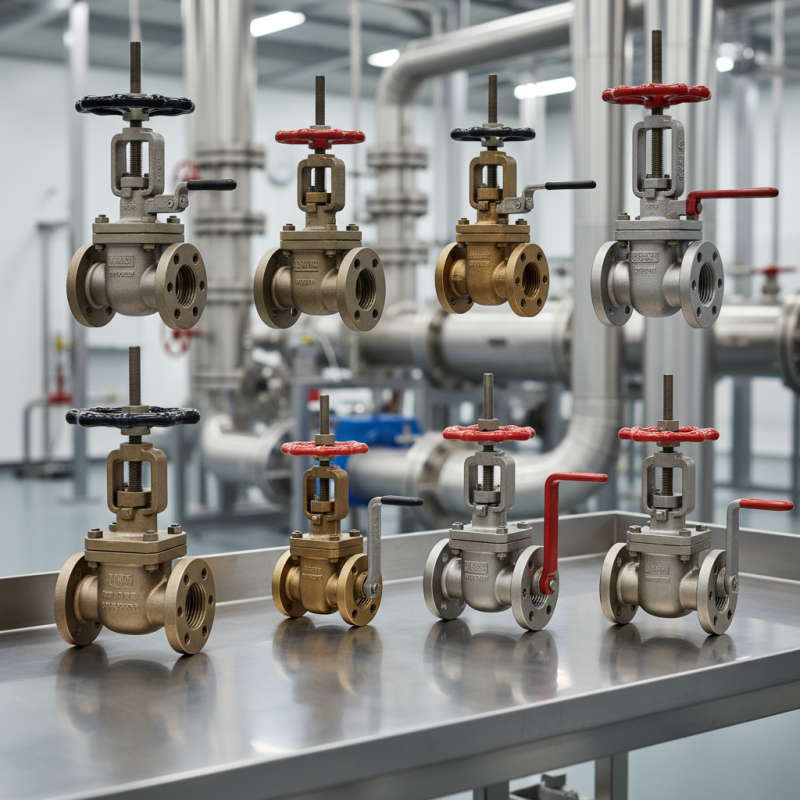
Dresser valves play a vital role in various industrial applications, particularly in managing fluid flow. Understanding the different types of valves is crucial for proper system operation. Dresser valves come in various designs, including gate, globe, and check valves. Each type serves a unique purpose, and knowing these can enhance efficiency.
Gate valves are often used for on-off control. They can be fully open or closed, making them ideal for isolating sections of a pipeline. Globe valves, on the other hand, excel in throttling applications. Their design allows precise flow regulation, which is essential in many processes. Check valves prevent backflow, a critical feature to maintain system integrity.
Choosing the right valve type is not always straightforward. Factors like fluid characteristics and pressure requirements must be considered. Additionally, installation and maintenance practices significantly impact valve performance. Regular inspections can reveal wear and tear, helping you avoid costly downtime. This knowledge fosters reliability and efficiency within your operations.
Key Features of Each Dresser Valve Type
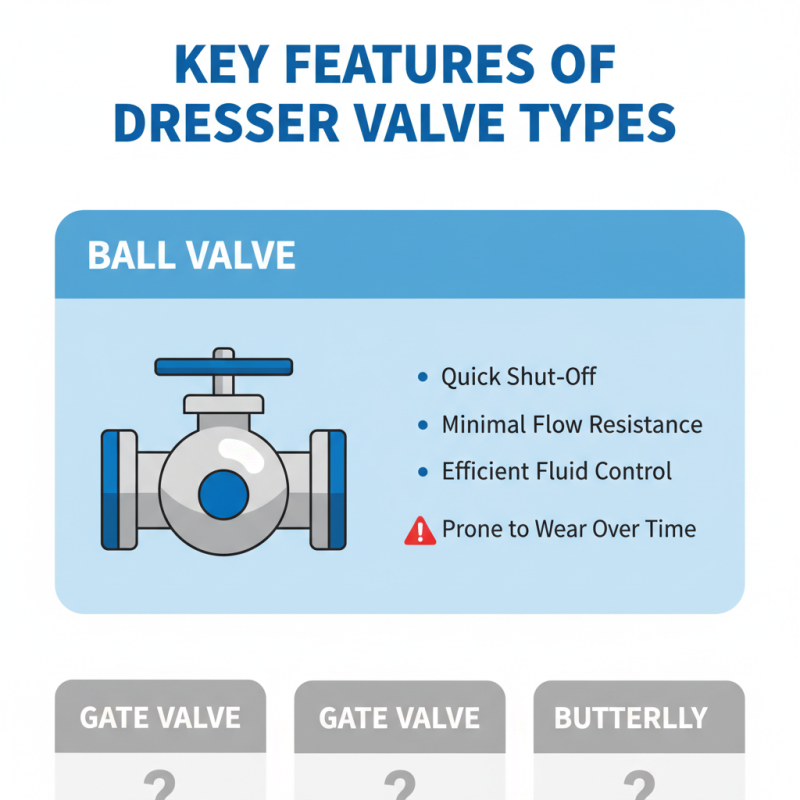
When it comes to understanding dresser valves, it's essential to recognize the key features that differentiate each type. One common type is the ball valve. This valve type offers quick shut-off capabilities. Its design allows for minimal flow resistance, providing efficient fluid control. However, ball valves can be prone to wear over time, affecting performance.
Another popular type is the globe valve. Known for precise flow regulation, globe valves feature a complex internal design that allows for better throttling. These valves can handle higher pressure but may contribute to significant pressure drops. This might be a drawback in some systems. Additionally, gate valves are known for their ability to provide the best flow rate. While they handle full flow with minimal turbulence, their slow operation may not be ideal for frequent adjustments.
Lastly, the check valve prevents backflow, ensuring fluid flow only in one direction. Its simplicity makes it reliable, but it can be vulnerable to debris clogging. Understanding these features helps users make informed decisions. Each type has its pros and cons, and reflections on system requirements are crucial for effective use.
Applications of Dresser Valves in Various Industries
Dresser valves play a crucial role in various industries. Their main application is in gas and oil transportation. These valves help in connecting pipe sections, ensuring tight sealing and preventing leaks. This is vital for safety, as even a minor leak can lead to significant hazards. Each type of Dresser valve has its specific use, depending on the pressure and material being transported.
In the water industry, Dresser valves are equally important. They provide reliable connections in water supply systems. The demand for efficient water distribution makes these valves a key component. Additionally, the construction sector often uses these valves in temporary installations. Their flexibility allows for easy assembly and disassembly, which can be a game-changer on job sites.
However, problems can arise with aging valves. Regular maintenance is essential to ensure their functionality. Users often overlook the importance of inspection and may face unexpected failures. Understanding the specific requirements for each application can lead to better performance. Identifying the right type of Dresser valve is critical for optimal operation in any industry.
Top 10 Dresser Valve Types You Need to Know
| Valve Type |
Description |
Applications |
Industry |
| Ball Valve |
A valve with a spherical disc that controls flow. |
On/Off control |
Oil & Gas |
| Gate Valve |
Allows fluid flow through a gate mechanism. |
Isolation services |
Water Treatment |
| Globe Valve |
Regulates flow in a pipeline. |
Flow control |
Chemical Processing |
| Check Valve |
Prevents backflow in piping systems. |
Protecting equipment |
Power Generation |
| Butterfly Valve |
Uses a rotating disc to regulate flow. |
Throttling and isolation |
HVAC Systems |
| Pinch Valve |
Controls flow by pinching a flexible tube. |
Slurry handling |
Mining |
| Pressure Relief Valve |
Automatically releases pressure at a set point. |
Safety applications |
Manufacturing |
| Flow Control Valve |
Controls fluid flow rate. |
Adjusting flow rates |
Food & Beverage |
| Solenoid Valve |
Electrically controlled valve. |
Automated systems |
Automotive |
| Check Valve |
Non-return valve to allow fluid flow in one direction. |
Prevent backflow |
Oil & Gas |
Maintenance and Troubleshooting for Dresser Valves
Dresser valves are critical components in many industrial systems. Maintenance is key to ensuring efficiency and safety. Regular inspections can prevent costly failures. According to industry studies, around 30% of valve failures stem from improper maintenance practices.
Routine checks should focus on visual inspections and performance tests. Look for leaks, corrosion, or unusual noises. These early warnings can save substantial repair costs. A report from the American Society of Mechanical Engineers indicates that proper maintenance can extend valve life by over 50%. This statistic highlights the importance of regular upkeep.
Troubleshooting may involve more than visual checks. Familiarity with the valve's operation is essential. During troubleshooting, operators should analyze flow patterns and pressure readings. Understanding abnormal behaviors helps pinpoint issues. While expertise is crucial, ongoing training is equally important. Many operators overlook training, which can lead to mistakes. Data shows that roughly 40% of troubleshooting errors occur due to lack of training. Regularly scheduled training sessions can improve operator skill and confidence, ultimately leading to better maintenance outcomes.
Comparative Analysis of Dresser Valves vs. Other Valve Types
Dresser valves play a crucial role in fluid control systems, especially in gas and water pipelines. Their design allows for reliable sealing and minimal leakage. Compared to other valve types, such as gate or globe valves, dresser valves often provide more robust performance under high pressure. According to a report from the American Society of Mechanical Engineers (ASME), over 30% of pipeline failures are linked to valve malfunctions. Dresser valves, with their innovative sealing methods, help mitigate this risk.
In a recent industry study, it was revealed that dresser valves can outperform traditional valve types in terms of lifespan and maintenance frequency. On average, typical valve replacements occur every five years. However, when using dresser valves, this interval can extend to a decade or longer. This significant difference translates to reduced operational costs and less downtime for repairs. Yet, it is essential to consider potential compatibility issues with older systems; not all existing infrastructures can seamlessly integrate modern dresser valves.
Choosing the right valve type requires careful evaluation. While dresser valves offer numerous benefits, industry professionals must weigh these against installation challenges, potential leaks, and the initial investment. Dresser valves are effective but may necessitate further assessments to ensure long-term reliability. In the long run, they can provide substantial value, but experts should remain vigilant about their unique requirements.