Top Dresser Valve Manufacturers for Global Buyers?

Choosing a dresser valve manufacturer is not just a matter of comparing catalog prices. Global buyers need products that match their operating conditions, delivery schedules, and service expectations. A valve may look suitable on a product page, yet its pressure rating, connection dimensions, or material may not fit the actual installation. Small details matter. A mismatch can lead to delays, extra machining, or repeated inspections.

This guide introduces factors buyers can use to assess manufacturers and build a practical shortlist. It considers product range, manufacturing capability, quality documentation, customization, export experience, and after-sales support. Buyers should confirm the exact valve type, operating pressure, temperature, process medium, and connection requirements before requesting a quotation. Clear specifications make supplier responses easier to compare. They also reveal where a supplier needs more information.

Price still matters, but it should be considered alongside lead time, inspection arrangements, spare-parts access, and communication. Ask whether drawings, material records, and relevant test reports are available for the selected model. Requesting these details early can prevent avoidable surprises. No supplier is ideal for every project. Even a well-known manufacturer may have limited experience with a particular application or destination. Use the sections ahead to compare evidence, ask precise questions, and choose a dresser valve partner with fewer assumptions and clearer expectations.
Top Dresser Valve Manufacturers for Global Buyers?

What Is a Top Dresser Valve and Where Is It Used?

A top dresser valve is a control component on some machines that spread sand, compost, or other soil amendments across turf. It commonly directs hydraulic flow to a conveyor, spinner, or gate, helping regulate material delivery. The exact layout varies by machine, so “top dresser valve” does not describe one universal valve design. On a sports field, for example, an operator may adjust the flow while the conveyor feeds material toward a spinning disc. Small changes can affect coverage.

Top dressers are used on golf courses, athletic fields, lawns, and some agricultural sites. FAO AQUASTAT estimates that agriculture accounts for about 70% of global freshwater withdrawals. That figure is broader context, not a measure of valve performance, but it highlights why reliable equipment matters on irrigated land. A sticking valve can interrupt spreading and leave visible stripes. The cause is not always the valve; clogged lines or worn hydraulic seals can also be responsible.

Tips: Check the machine manual for pressure and fluid specifications. Inspect hoses and connections for leaks, and test material flow on a small area before full operation. Record settings that produce even coverage. They may need adjustment when material moisture changes.

How Do Top Dresser Valves Work?

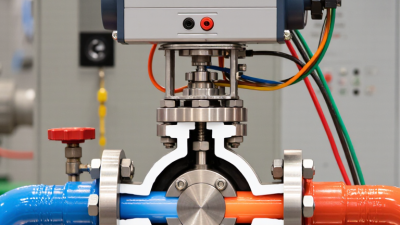
A dresser valve controls flow by moving an internal closure against or away from a seat. In a quarter-turn design, a lever or actuator rotates a ball or plug; when its opening lines up with the pipe, fluid passes. Turn it across the flow, and the seat helps stop it. Other designs use a stem to raise or lower a gate. The exact mechanism varies, so buyers should check the valve drawing rather than assume every model works alike.

Pressure, fluid type, and operating frequency affect performance. The ISA/IEC 60534-2-1 standard provides methods for sizing control valves, including flow capacity and pressure conditions. For compressed-air systems, the U.S. Department of Energy’s Improving Compressed Air System Performance sourcebook reports that leaks can waste 20–30% of compressor output in poorly maintained facilities. That figure covers system leaks, not valve leakage alone. Still, it shows why seat condition matters. Listen for a faint hiss, inspect for residue around joints, and follow the maker’s specified pressure-test procedure. I would not judge a valve by its handle feel alone; a smooth turn can still hide a worn seat.

Top Dresser Valve Manufacturers for Global Buyers? — How Do Top Dresser Valves Work?
Comparison Area Practical Data or Selection Criterion How the Valve Works What Global Buyers Should Verify
Terminology “Dresser valve” may be used ambiguously in sourcing searches. Confirm the specific valve type, service, connection, and design before comparing suppliers. Operating principles differ by design; the phrase alone does not identify a single mechanism or performance rating. Request the product datasheet, sectional drawing, model designation, and applicable technical specification.
Manufacturer capability Compare documented design, manufacturing, inspection, and after-sales capabilities rather than relying on a generic “top manufacturer” ranking. These capabilities do not change the valve mechanism, but they affect whether the supplied valve matches the specified service and quality requirements. Review factory quality procedures, inspection records, references relevant to the application, spare-parts support, and warranty terms.
Gate valve Commonly selected for on/off isolation where low flow resistance in the fully open position is important. A gate moves across the flow path, usually perpendicular to it, to open or close the passage. Gate valves are generally not preferred for routine throttling. Check end connections, pressure-temperature rating, materials, seat design, and whether the valve is intended for isolation or throttling.
Globe or control valve Often used when flow regulation or frequent adjustment is required. A plug or disc moves toward or away from a seat. Changing the opening changes flow; the flow path typically creates more pressure loss than a straight-through full-port design. Confirm flow direction, required flow capacity, actuator and control requirements, trim materials, and expected operating conditions.
Ball valve Common quarter-turn choice for isolation; full-port designs can provide a relatively unobstructed flow path when open. A bored ball rotates, typically through 90 degrees, to align its passage with the pipeline or block the flow. Verify port size, seat and seal materials, operating torque, fire-safe requirements where applicable, and suitability for the fluid.
Butterfly valve Compact quarter-turn design commonly used in larger pipeline sizes and space-constrained installations. A disc rotates around a shaft within the pipeline to regulate or stop flow. The disc remains in the flow path when the valve is open. Check disc and liner materials, pressure and temperature limits, face-to-face dimensions, and compatibility with the mating flanges.
Check valve Used to limit reverse flow in systems where backflow could cause operational or equipment problems. Flow pressure opens the closure element in the permitted direction; reverse flow or reduced forward pressure allows it to close. It usually operates automatically rather than by a manual actuator. Confirm installation orientation, cracking pressure where specified, closure behavior, and suitability for the system’s flow conditions.
Materials and service Body, trim, seats, and seals must be selected for the process fluid, pressure, temperature, and environment. Materials do not determine the basic operating motion, but they affect corrosion resistance, sealing, wear, and service life. Require a material list and verify compatibility with the fluid, temperature range, corrosion conditions, and any project-specific material rules.
Pressure and temperature ratings Ratings depend on valve design, material, size, end connection, and applicable design standard; there is no single rating that applies to all valves. Pressure-containing parts and seals must remain suitable for the specified operating conditions. Compare the nameplate and datasheet ratings with the actual design conditions. Do not infer a rating from appearance or nominal size.
Testing and standards API 598 and ISO 5208 address valve inspection and pressure testing; ASME B16.34 covers pressure-temperature ratings and other requirements for specified valve designs. Applicable tests and design requirements depend on valve type, materials, end connections, and the purchase specification. State the required standard and edition in the purchase documents, and request inspection and test records for the supplied valve.
Quality-system evidence ISO 9001 concerns quality-management systems; by itself, it does not establish that a particular valve meets a project’s design or performance requirements. A quality-management system supports consistent processes but does not replace product-specific inspection, testing, and documentation. Check the certificate’s scope and validity, then separately review product conformity documents and test results.
Traceability and delivery For international procurement, confirm identification, documentation, packaging, delivery terms, and access to replacement parts. Traceability helps link the delivered valve to its materials, production checks, and test documentation. Specify nameplate data, serial or batch identification, required certificates, export packaging, shipping terms, and spare-parts support before ordering.

Which Types of Top Dresser Valves Do Manufacturers Offer?

Top dresser valve manufacturers commonly offer several designs, since machines handle different materials and operating conditions. Ball valves provide quick, quarter-turn shutoff for clean liquid lines, such as water or liquid additives. Butterfly valves suit larger passages where compact size and low weight matter. They can regulate flow, though they may be less precise at very low rates. Simple and practical.

For abrasive sand or compost mixtures, pinch valves can isolate flow while keeping the material away from moving parts. Diaphragm valves are another option for slurry or washdown systems, but the diaphragm material must match the fluid and cleaning routine. Solenoid valves support timed, automated dosing; pressure regulators and check valves help maintain steady delivery and limit backflow. Not every machine needs all of them.

When comparing valve options, check the media, line diameter, working pressure, flow rate, and connection style. Ask how the valve behaves when grit settles or moisture dries inside the line. A model that works well with water may clog with damp compost. Specifications help, but real operating conditions can be messy, and the best choice may require a field trial.

What Criteria Help Global Buyers Compare Manufacturers?

Global buyers should compare top dresser valve manufacturers against the actual service conditions, not catalogue claims. Check pressure and temperature limits, fluid compatibility, connection dimensions, and sealing materials against the site’s specifications. Fit matters. MarketsandMarkets’ Industrial Valves Market report estimated a market value of US$78.1 billion in 2023, with projected growth to US$97.3 billion by 2028. That scale makes supplier screening important, but market size alone says little about an individual manufacturer’s quality.

Request material traceability, documented pressure and leakage tests, inspection records, and clear warranty terms. Compare delivery estimates and spare-part availability in writing; a low quotation is less useful if a replacement seal takes weeks to arrive. The IEA’s Global Methane Tracker 2024 estimates that fossil-fuel operations emitted about 120 million tonnes of methane in 2023. For relevant applications, ask how the valve design and test procedures address fugitive emissions. Verify certificates against the exact product and manufacturing site, rather than accepting a generic company brochure. No scorecard is perfect. Buyers should also check references from similar operating conditions, because laboratory results may not capture field wear, poor installation, or changing process fluids.

Top Dresser Valve Manufacturers: Buyer Comparison Criteria

Suggested evaluation weights for comparing suppliers (100-point framework)

Use these suggested weights as a starting point, then adjust them to match your application, operating conditions, and procurement priorities. Verify each supplier’s specifications, certifications, test records, and service capabilities; the chart does not represent ratings of individual manufacturers.

How Can Buyers Verify Quality, Compliance, and Supply Capabilities?

A reliable top dresser valve supplier should make verification straightforward, not rely on polished claims. Request drawings, material specifications, and inspection records for the exact valve model being quoted. Check that pressure-test results identify the tested unit, date, and acceptance criteria. Ask for material certificates and traceability from raw material to finished product. A certificate matters only when its scope matches the product and facility. Ask for evidence. Then inspect.

Compliance checks should be specific to the destination market and the valve’s intended service. Confirm applicable standards, required markings, and document formats with your engineering or compliance team. An audit can reveal practical details: calibrated gauges on the test bench, clear segregation of materials, and recorded inspection steps. A remote tour helps, but it cannot replace independent testing when the risk warrants it. Paperwork can look tidy; it is not the valve.

Supply capability needs the same scrutiny. Request recent production lead times, monthly output, spare-parts availability, and a clear escalation contact. Compare these claims with past delivery records or references from similar projects. Ask how the supplier handles design changes and nonconforming units. Be cautious if every answer is immediate and effortless; real production has constraints. I would also verify packaging by checking how flange faces are protected before shipment. It is a small detail, and easy to overlook.