Top 10 Control Valve Types and Their Best Applications?
In the world of fluid control, the importance of selecting the right control valve cannot be overstated. Industry expert Dr. Emily Carter states, "Choosing the right control valve is crucial for optimal system performance." With various types available, understanding their applications is essential for effective operations.
Control valves play a vital role in regulating flow, pressure, and temperature in systems. They ensure processes run smoothly and efficiently. Different designs, like globe and ball valves, serve specific purposes. Each type has its strengths and weaknesses, making informed choices critical.
Yet, many still overlook the complexity of these devices. Each application demands careful consideration of flow characteristics and system dynamics. This lack of attention can lead to inefficiencies. Organizations need to reflect on their valve selection process to enhance overall performance. Understanding the top control valve types and their best applications can lead to significant operational improvements.
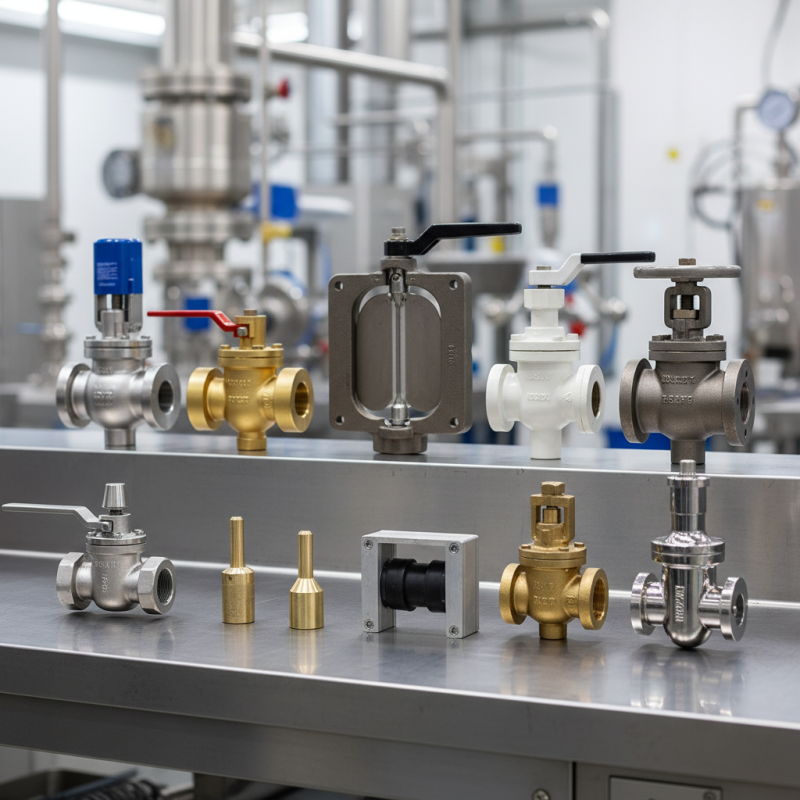
Overview of Control Valve Types and Their Functions
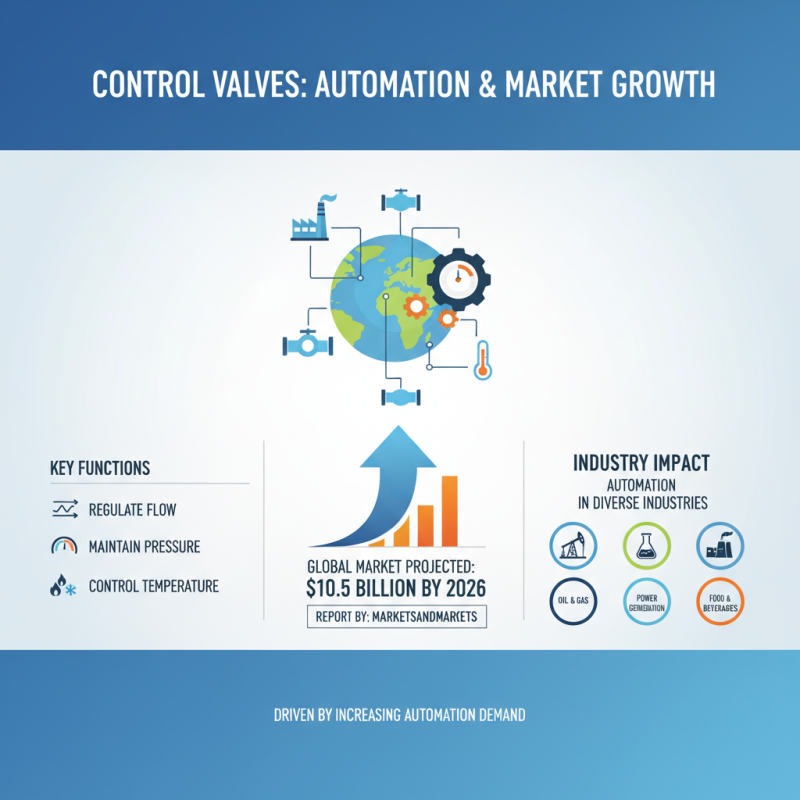
Control valves play a crucial role in various industries. They regulate flow, pressure, and temperature. According to a recent report by MarketsandMarkets, the global control valve market is projected to reach USD 10.5 billion by 2026. This growth reflects the increasing demand for automation in process industries.
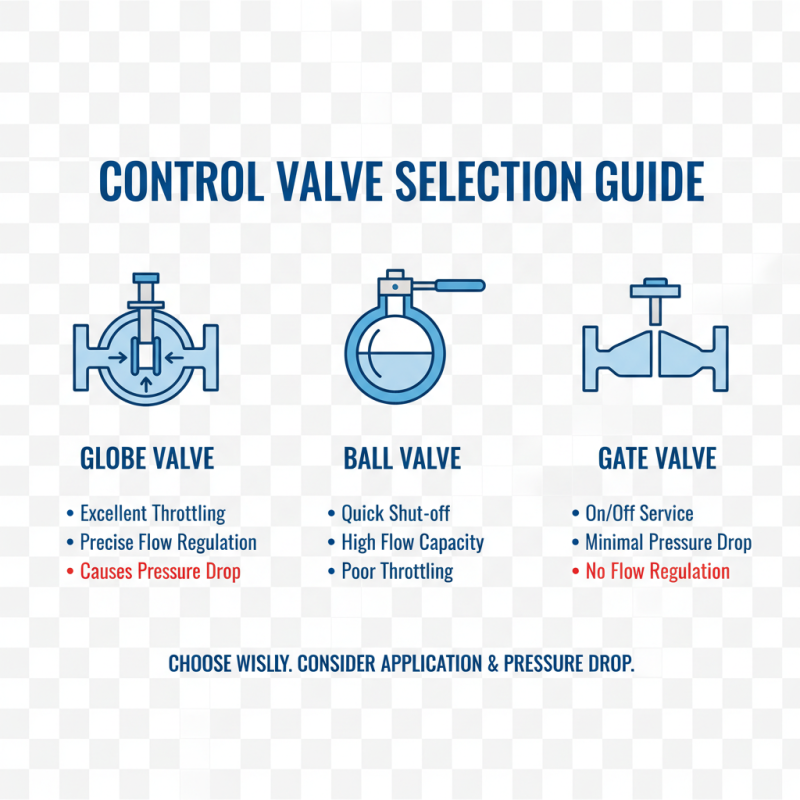
Among the various control valve types, globe valves are highly valued for their precise control capabilities. They are commonly used in applications requiring throttling. On the other hand, ball valves offer quick shut-off and are popular in oil and gas industries. Their design allows for minimal flow resistance, yet they might have limitations in flow regulation.
In chemical processing, needle valves excel at handling low flow rates. However, they can be sensitive to pressure changes. Butterfly valves, widely used in the water industry, provide efficient flow control but may face challenges with seat wear. Each valve type has its strengths and weaknesses. Careful selection is essential to optimize performance in specific applications.
Key Characteristics of Common Control Valve Types
When selecting control valve types, understanding key characteristics is essential. Different valves suit various applications. For instance, globe valves provide excellent throttling capabilities. They handle flow regulation efficiently. However, their design can cause pressure drops. Always assess this before making a choice.
Ball valves offer quick shut-off. Their spherical design allows for minimal resistance. They are best for on-off control in gas and liquid applications. Keep in mind, they are less effective for throttling. This can impact process accuracy.
**Tip:** Evaluate your system’s specific needs. Consider pressure, flow rate, and media type. The right valve makes a difference in performance.
Butterfly valves are compact and lightweight. They are ideal for large-diameter pipes. They can handle high flow rates but may struggle with precision. Regular maintenance can help mitigate wear and tear.
**Tip:** Don’t overlook installation. Proper alignment aids functionality. Misalignment leads to future issues. Always ensure each valve is installed correctly.
Best Applications for Each Control Valve Type
Control valves play a crucial role in various industrial applications. Each type of control valve has unique features that suit specific needs. For instance,
globe valves excel in applications requiring precise flow regulation. They are ideal for throttling flow in chemical processing.
The ability to regulate flow makes them essential in industries like pharmaceuticals, where accuracy is key.
Ball valves are often preferred for on/off control. Their fast operation helps in industries that require quick shut-off.
They are widely used in water treatment plants. However, their performance can suffer in modulating services. This limitation is something engineers must consider.
Another important type is the butterfly valve. These valves are lightweight and suitable for large pipelines.
They work well in HVAC systems and water distribution networks. However, they may not provide tight sealing at lower pressure conditions. This inherent flaw underlines the need for careful evaluation during selection.
Understanding the best applications for each valve type is critical. Industry reports indicate that the market for control valves is expected to grow by 6.4% annually.
This growth reflects the increasing demand for automation in process industries.
Comparative Analysis of Control Valve Performance
Control valves are vital in various industrial applications. Evaluating their performance is essential for efficient operations. Each type of control valve has its strengths and weaknesses. For instance, globe valves excel in throttling services. They provide precise flow control, but can be subject to high-pressure drops.
Ball valves, on the other hand, offer quick shut-off capabilities. They are effective for on/off services. However, they may struggle with fine control in some applications. Butterfly valves can handle large volumes of fluid. Yet, their response time can sometimes be sluggish.
In assessing control valve performance, attention to detail is crucial. The selection process must consider flow characteristics, pressure ratings, and media types. Often, users overlook these factors. The right choice can improve system efficiency significantly. Regular maintenance and testing also play key roles. Over time, performance can degrade due to wear or corrosion. Addressing these issues ensures longevity and reliability.
Future Trends in Control Valve Technology and Applications
The control valve industry is evolving rapidly. Future trends indicate a shift towards automation and IoT integration. According to a recent report, the market for smart control valves is predicted to grow by 10% annually through 2028. This growth reflects an increasing demand for efficiency and real-time monitoring in various sectors.
Manufacturers are incorporating advanced materials like composites, enhancing durability and reducing maintenance costs. Future applications might include self-calibrating valves, minimizing the need for manual adjustments. These innovations could lead to reduced downtime and improved safety.
Tips: When selecting a control valve, consider its application. Understand the fluid dynamics involved. Research emerging technologies to stay ahead. Adopting these newer solutions may be cost-effective in the long run. It's essential to stay informed about industry standards and advancements. Many companies still rely on outdated models, which can lead to inefficiencies. Keep assessing your options for improvement.
Top 10 Control Valve Types and Their Best Applications