Top 10 CNC Lathe Machine Features You Should Know?
Cnc Lathe Machines play a crucial role in modern manufacturing. These machines automate the process of shaping materials. They provide precision that manual methods cannot achieve. Understanding their features is essential for proper usage.
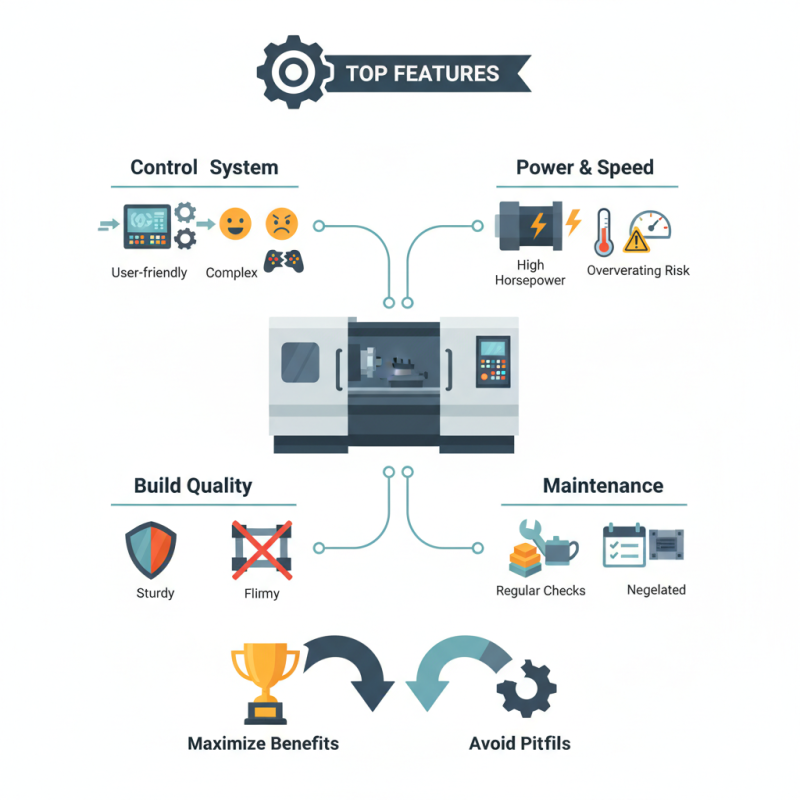
Among the top features to know, the control system stands out. A user-friendly interface makes operation smoother. However, some CNC lathe machines lack intuitive controls, leading to user frustration. The power of the machine is another key aspect. A higher horsepower allows for faster cutting speeds but can result in overheating if not properly managed.
Additionally, build quality should never be overlooked. Some CNC lathe machines are sturdy, while others feel flimsy. This difference impacts longevity and performance. Regular maintenance is also critical, yet often neglected by users. By grasping these features, you can maximize the benefits of a CNC lathe machine while avoiding common pitfalls.
Key Components of CNC Lathe Machines
CNC lathe machines are integral to modern manufacturing. Their key components play crucial roles in ensuring precision and efficiency. The main components of a CNC lathe include the bed, spindle, tailstock, and tool holder. Each part has a specific function that contributes to the overall operation of the machine.
The bed provides stability to the machine. It supports all other components. A sturdy bed is vital for accuracy. The spindle holds the workpiece and rotates at variable speeds. Speed adjustments enhance versatility in machining various materials. The tailstock ensures additional support for long workpieces. A well-functioning tailstock can prevent errors.
**Tips:** Regular maintenance of these components is essential. Keep them clean and lubricated. Inspect them frequently for wear and tear. A small oversight can lead to significant issues.
The control system deserves attention too. It interprets CAD models and transforms them into machine instructions. However, operators must ensure the software is up-to-date. An outdated system can cause misalignments, leading to production delays. Knowledge gaps in programming can affect output quality. Continuous training is important for optimal performance.
Top 10 CNC Lathe Machine Features You Should Know
Understanding CNC Lathe Machine Controls and Interface
CNC lathe machines have advanced significantly. Understanding the controls and user interface is crucial for effective operation. Modern CNC systems feature intuitive displays. They often utilize touchscreen technology, offering ease of navigation.
Operators can input parameters like speed and feed rate quickly. According to a recent industry report, 70% of CNC operators prefer machines with customizable interfaces. This flexibility enhances productivity and reduces errors. However, not all interfaces are user-friendly. Complex menus can lead to confusion and mistakes.
Tip: Regular training can minimize errors related to interface navigation. Familiarize yourself with the machine’s layout and commands.
Another critical aspect is the software integration. It allows for more seamless updates and compatibility with design files. Yet, some users report issues with outdated software affecting performance. Maintaining current software is essential for optimal results.
Tip: Set up a routine check for software updates. This practice can help prevent potential downtime.
Importance of Precision and Accuracy in CNC Machining
Precision and accuracy are crucial in CNC machining. These two elements directly affect the quality of the final product. A machine that lacks precision will create parts that do not fit together properly. This can lead to waste of time and materials. Without attention to detail, results may fall short of expectations.
CNC lathes are designed to provide high precision. They can produce intricate designs with tight tolerances. However, not all operators fully understand their capabilities. Misuse or incorrect settings can lead to errors. A simple adjustment in programming can change everything. Learning from mistakes is essential to mastering the machine.
Accuracy in machining is also about consistency. Manufacturers need to maintain standards over time. A single flaw can ruin an entire batch of products. Regular maintenance and calibration help. Yet, some shops overlook these important tasks. Understanding the impact of each component helps improve overall quality. It’s a continuous journey of refinement and learning.
Safety Features and Best Practices for CNC Lathe Operations
Safety is paramount in CNC lathe operations. Operators must wear appropriate personal protective equipment (PPE). This includes safety goggles, gloves, and hearing protection. The environment should be clean and well-lit. Clutter can lead to accidents. Ensure that all safety guards are in place before starting the machine. A lathe without guards is a potential hazard.
Proper training is vital for all operators. Many accidents occur due to lack of knowledge about the machine's features. Training should cover emergency stops and safe operating speeds. Operators must also understand the materials they are working with. Some materials can react unexpectedly to machining processes. It is crucial to monitor the lathe during operation. This can prevent overheating and damage to both the machine and the workpiece.
Regular maintenance is another aspect of safety. Machines should be inspected frequently for wear and tear. Lubrication schedules need to be adhered to. Operators often forget to report small issues. These can escalate into larger problems. Documenting maintenance helps in identifying recurring issues. Safety audits can reinforce best practices and improve awareness. Reflection on daily operations can foster improvement and ensure a safer working environment.
Maintenance and Upkeep Tips for CNC Lathe Longevity
Maintaining CNC lathe machines is crucial for their longevity. Regular maintenance can increase their lifespan significantly. Reports indicate that improper maintenance can reduce the lifespan of these machines by up to 30%. Machine operators often overlook small issues, leading to larger problems.
Daily inspections can help identify wear and tear. Check the spindle and cutting tools often. A worn tool can lead to inaccuracies. This can result in faulty production. A machine that is not calibrated regularly may produce subpar parts. In a competitive environment, this can affect the bottom line.
Cleaning is also essential. Chips and debris can hinder performance. Neglecting cleaning can lead to overheating. According to industry standards, machines should be cleaned after every shift. This can prevent downtime in the long run. The coolant system should be checked routinely. Contaminated coolant can damage internal components. Operators should replace the coolant every three to six months for optimal performance. Small steps can lead to significant improvements. Regular upkeep matters in the long run.