Choosing a reliable flow control valve manufacturer requires more than comparing product catalogs. Buyers must examine engineering depth, testing practices, material quality, service coverage, and field experience. A valve that performs well in a clean laboratory may struggle with abrasive slurry, high pressure steam, or rapidly changing process conditions.
Greg McMillan, a respected process control expert and author, describes the control valve clearly: “The control valve is the final control element in a control loop.” This statement explains its importance. A small sizing error can create unstable pressure, excessive noise, cavitation, or premature seat damage. These problems may appear slowly, like vibration around a pipe flange, before causing expensive downtime.
This introduction presents ten leading flow control valve manufacturers worldwide. The selection considers industrial reputation, product range, application expertise, manufacturing capability, certifications, and customer support. It also recognizes that “top” depends on the application. A refinery may prioritize severe-service trim, while a water facility may value corrosion resistance and easy maintenance.
No ranking is perfect.
Market leadership can change. Regional support also matters. Some manufacturers publish extensive technical data, while others provide stronger project assistance through local teams. Readers should verify current specifications, warranty terms, compliance documentation, and service availability before making a purchase. Personal operating conditions matter more than a polished brochure.
The following overview offers a practical starting point for engineers, procurement teams, and plant managers. It highlights where each manufacturer is strongest, while acknowledging potential limitations. That balance supports better decisions and reduces the risk of choosing a valve based only on brand recognition.
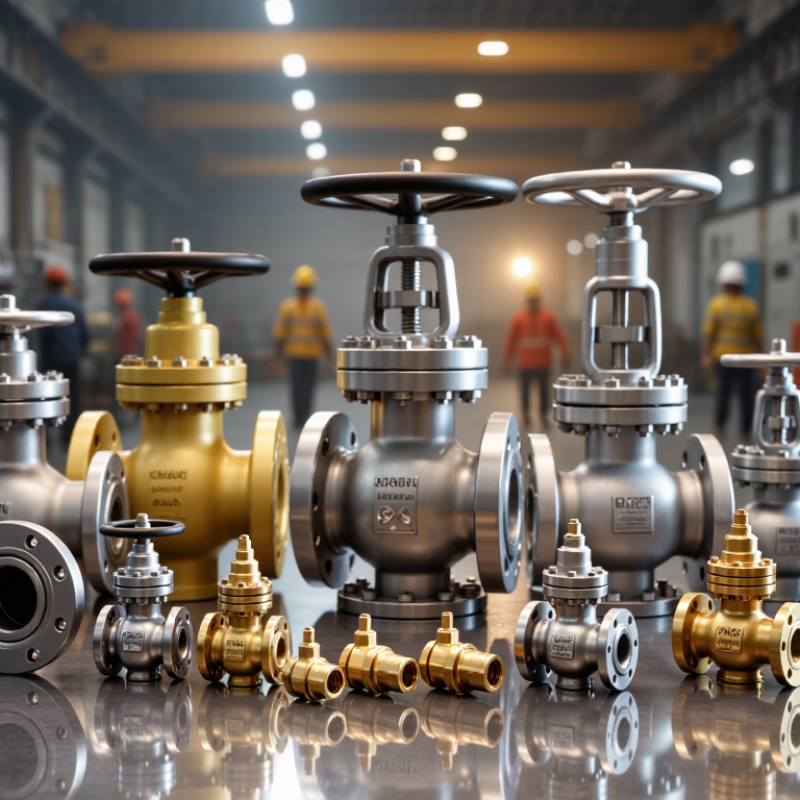
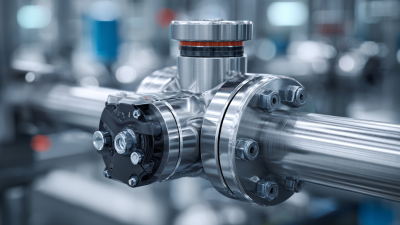
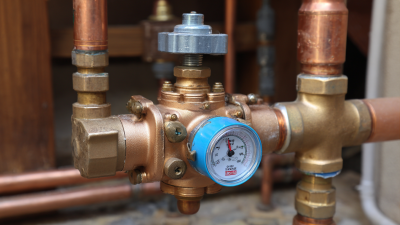
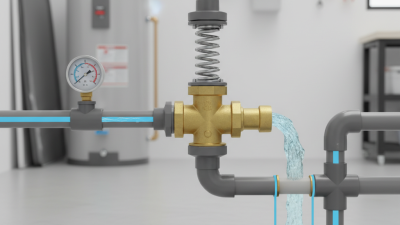
Flow control valves regulate the rate, pressure, or direction of liquids and gases inside a piping system. They do not merely open or close a line. Instead, they adjust the passage area to match changing process demands. A typical valve includes a body, internal trim, stem, actuator, and positioner. The control system sends a signal, often 4–20 mA, to the actuator. The actuator then moves the trim, changing flow resistance. More opening usually increases flow, but pressure conditions can alter the result.
Small errors matter. An undersized valve may create excessive velocity, noise, and cavitation. An oversized valve may operate near its seat, making control unstable. Engineers therefore review flow coefficient, pressure drop, temperature, fluid viscosity, and leakage requirements before selecting a valve. Field experience also shows that installation direction and poor calibration can defeat a technically correct design.
Market data reflects the importance of this equipment. MarketsandMarkets’ 2024 Control Valves Market report estimates growth from approximately US$7.2 billion in 2023 to US$9.1 billion by 2028. Grand View Research reports a similar expansion trend, although its figures differ because market definitions vary. That difference deserves attention. A valve’s real performance depends less on its catalog label than on sizing, materials, actuator response, and maintenance. Inspection teams should check stem movement, signal accuracy, packing condition, and unexpected pressure loss during operation.
Comparing the top 10 flow control valve manufacturers requires more than reviewing market visibility. A reliable evaluation starts with application fit. Check pressure class, temperature range, flow coefficient, media compatibility, and required control accuracy. A valve that performs well in clean water may fail in abrasive slurry. Field experience matters here.
Ask manufacturers for test procedures, material certificates, calibration records, and documented failure rates. Examine whether their products meet recognized standards and whether each production batch remains traceable. Technical support also deserves close attention. Can engineers size the valve correctly? Are spare parts available near the installation site? A strong supplier provides clear drawings, realistic lead times, and practical commissioning guidance.
Claims need testing. Numbers can mislead. Laboratory performance may differ from a valve operating beside a vibrating pump, under unstable pressure, for twelve hours daily. Request references from similar plants, not only impressive case studies. Review warranty terms, maintenance intervals, actuator integration, and cybersecurity controls for connected systems. Total cost includes energy loss, replacement labor, downtime, and training.
No ranking stays accurate forever. Manufacturing quality can change after a facility transfer or supplier change. Even experienced evaluators may overlook local service capacity. A site visit, sample inspection, and independent performance test can reveal weaknesses hidden in polished brochures. The best comparison combines engineering evidence, operating experience, and cautious judgment.
| Rank | Anonymous Manufacturer Profile | Primary Operating Region | Core Valve Portfolio | Common Industry Coverage | Relevant Standards | Global Supply Capability | Customization Level | Screening Score |
|---|---|---|---|---|---|---|---|---|
| 1 | Manufacturer Profile A | North America and international markets | Ball, butterfly, gate, globe, check and control valves | Oil and gas, LNG, chemical processing, power and water | ASME, API, ISO, MSS and NACE-related requirements | High | High | 95/100 |
| 2 | Manufacturer Profile B | Western Europe and global projects | Control, severe-service, globe, ball and butterfly valves | Refining, chemicals, pharmaceuticals, power and industrial automation | IEC, ISA, ISO, EN, API and SIL-related practices | High | Very high | 94/100 |
| 3 | Manufacturer Profile C | Central Europe and export markets | Process control, steam, globe, butterfly and sanitary valves | Food and beverage, life sciences, district energy and general industry | EN, ISO, IEC, EHEDG and pressure-equipment requirements | High | High | 92/100 |
| 4 | Manufacturer Profile D | East Asia and international OEM markets | Ball, gate, globe, check, cryogenic and floating valves | Energy, marine, chemical, water treatment and manufacturing | API, ASME, ISO, JIS, DIN and fire-safe requirements | High | Medium-high | 90/100 |
| 5 | Manufacturer Profile E | Northern Europe and global process industries | Automatic control, pressure-reducing, safety and steam valves | HVAC, district heating, power, water and industrial utilities | EN, ISO, IEC, PED and functional safety practices | High | High | 89/100 |
| 6 | Manufacturer Profile F | North America and Latin American markets | Plug, ball, butterfly, gate and high-performance control valves | Midstream, pipeline, chemical, mining and municipal water | API, ASME, ISO, MSS, NACE and pipeline specifications | Medium-high | High | 87/100 |
| 7 | Manufacturer Profile G | Southern Europe and emerging markets | Butterfly, ball, wafer, lug and resilient-seated valves | Water, wastewater, irrigation, building services and light industry | EN, ISO, API, WRAS-related and drinking-water requirements | Medium-high | Medium | 85/100 |
| 8 | Manufacturer Profile H | Asia-Pacific and project-based export markets | Gate, globe, check, ball and forged-body valves | Power generation, petrochemicals, shipbuilding and industrial plants | API, ASME, ISO, JIS, ASTM and fire-safe testing requirements | Medium-high | Medium-high | 84/100 |
| 9 | Manufacturer Profile I | Middle East, Europe and regional energy markets | Trunnion ball, gate, globe, check and subsea-related valves | Oil and gas, offshore, petrochemical, desalination and utilities | API, ASME, ISO, NACE, DNV-related and project-specific standards | Medium-high | High | 82/100 |
| 10 | Manufacturer Profile J | Global contract manufacturing and distribution markets | Industrial butterfly, ball, check, knife-gate and control valves | Water, HVAC, pulp and paper, mining, food processing and general industry | ISO, API, ASME, EN, MSS and application-specific approvals | Medium | Medium | 80/100 |
The top 10 flow control valve manufacturers worldwide are judged by more than production volume. Buyers should examine pressure accuracy, material quality, testing records, and after-sales support.
Grand View Research estimates the broader industrial valves market reached about USD 79 billion in 2023. It also forecasts growth near 5% annually through 2030. This expansion reflects stronger demand from water treatment, energy, chemical processing, and manufacturing.
A practical comparison should include control range, leakage performance, actuator reliability, and delivery capacity. MarketsandMarkets reports continued growth in the control valve sector, driven by process automation and stricter efficiency requirements.
Tips: Request test certificates, lifecycle data, and clear warranty terms. Compare valves under your actual temperature and pressure conditions. Check whether the manufacturer supports calibration and maintenance locally.
Do not rely on catalog flow rates alone. Field performance can differ. A 2024 purchasing review should also examine cybersecurity for connected actuators, emissions control, and compliance with relevant ISO and IEC standards. Some reports use different market definitions, so figures should be treated as informed estimates rather than absolute rankings.
The leading global manufacturers serve different process demands.
Application fit matters more than catalog size.
During technical reviews, engineers should examine pressure ratings, temperature limits, leakage classes, and maintenance access. A valve that performs well in clean water may fail quickly with hot slurry. Small details matter. Stainless steel trim can improve service life, while incorrect seal selection may cause early leakage. Control accuracy also depends on actuator sizing and signal compatibility. In my view, supplier testing records, traceable materials, and regional service support deserve equal attention. No manufacturer is perfect. Some products remain expensive, difficult to repair, or overly complex for simple duties. A practical comparison should include lifecycle cost, spare-part availability, installation conditions, and operator training before final selection.
Choosing a flow control valve manufacturer requires more than comparing prices. Start with your process conditions. Record the fluid type, temperature, pressure, flow range, and required accuracy. A supplier should review these details before recommending a valve. Generic selection often creates expensive problems later.
Ask for material specifications, pressure test records, calibration data, and traceability documents. Check whether the manufacturer follows recognized quality systems and maintains consistent inspection procedures. Factory experience matters, especially for corrosive fluids, steam, food processing, or demanding chemical applications. Look for practical engineering support, not only attractive product catalogs. Can their engineers size the actuator and explain failure modes clearly?
Service is equally important. Confirm spare-part availability, delivery times, installation guidance, and maintenance training. A reliable manufacturer should support the valve throughout its operating life. Visit the facility when possible. Observe testing, documentation, and storage conditions. Small details reveal a lot. A clean assembly area does not prove everything, but poor labeling should raise questions.
I have learned that the lowest quotation can be misleading. One overlooked pressure fluctuation may shorten valve life. Another supplier may offer better testing and fewer replacements. Still, no manufacturer fits every project. Review references from similar industries, compare total ownership costs, and request a written technical proposal. Leave room for doubt. Your process deserves careful verification, not confident assumptions.