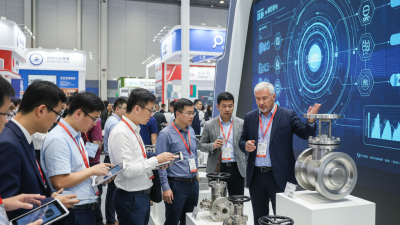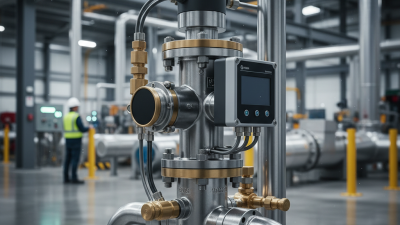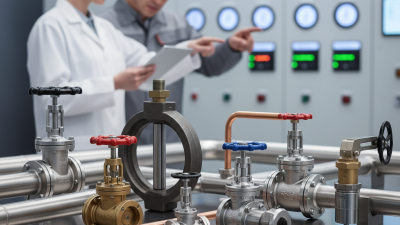
Automatic valves are becoming essential across water treatment, oil and gas, chemical processing, food production, and modern manufacturing. They regulate flow, pressure, temperature, and direction with limited manual intervention. Behind a stainless-steel pipe rack, a small actuator may decide whether a process remains stable or stops unexpectedly.
Market evidence supports this growing demand. Fortune Business Insights estimates that the global automatic valve market reached approximately USD 27.03 billion in 2023. The same report projects strong expansion through 2032, supported by industrial automation, energy investment, and stricter process-control requirements. Grand View Research also identifies industrial valves as a steadily expanding market, driven by infrastructure upgrades and safer fluid-handling systems.
The technology is not simple.
Different applications require different valve bodies, actuators, control signals, materials, and failure positions. A butterfly valve may suit large-diameter water lines, while a globe valve can provide more precise throttling. Ball, plug, diaphragm, check, solenoid, and pneumatic valves each solve distinct operating problems. Choosing by price alone can create leakage, excessive pressure loss, poor response, or expensive maintenance.
Instrumentation authority Béla G. Lipták describes the control valve as “the most important final control element in a process control loop.” That observation remains practical today. A reliable automatic valve must match the medium, pressure, temperature, cycle frequency, and safety strategy.
This guide examines the top 10 automatic valve types for buyers. It compares their operating principles, strengths, limitations, and common applications. No ranking is perfect. Actual performance depends on engineering details, installation quality, and honest lifecycle evaluation. Sources include Fortune Business Insights, Grand View Research, and established process-control practice.
Automatic valves regulate, isolate, or redirect fluids with limited human intervention. Their basic action depends on a valve body, actuator, control signal, and feedback device. Common choices include ball, butterfly, gate, globe, check, diaphragm, pinch, plug, solenoid, and control valves.
Ball and butterfly valves open quickly and suit many on-off applications. Gate valves provide a clear passage, but they operate slowly. Globe valves offer accurate throttling, although pressure loss can be higher.
Check valves prevent reverse flow without external power. Diaphragm and pinch valves handle contaminated or sensitive media with fewer internal obstructions. Plug valves manage demanding flow paths.
Solenoid valves respond to electrical signals, often in compact systems. Control valves continuously adjust flow through pneumatic, electric, or hydraulic actuators.
The control method must match the process risk.
A PLC may send a signal, while a positioner confirms actuator movement. Sensors can monitor pressure, temperature, flow, or valve position.
Pneumatic actuators react quickly and may provide spring-return safety action. Electric actuators offer precise movement where compressed air is unavailable. Hydraulic systems deliver high force, but they require careful leak control.
In field inspections, I check alignment, seal wear, response time, and fail-safe behavior. Small installation errors matter.
A correctly sized valve can still perform poorly when the fluid contains solids or the actuator lacks torque. No selection is perfect. Engineers should verify pressure ratings, temperature limits, material compatibility, cycle frequency, and maintenance access before approval.
Automatic valves manage flow, pressure, temperature, and safety with limited manual intervention. Ball valves provide fast shutoff in water, gas, and process piping. Butterfly valves suit large pipelines because they are compact and lightweight. Gate valves support isolation in water treatment and industrial systems. Globe valves offer accurate throttling for steam, cooling water, and fuel lines. Check valves prevent reverse flow in pumps and discharge pipes.
Solenoid valves respond quickly to electrical signals. They are common in pneumatic equipment, irrigation, and dispensing systems. Diaphragm valves handle corrosive or hygienic fluids in chemical and food processing. Pinch valves work well with abrasive slurries, powders, and wastewater. Control valves continuously adjust flow through pneumatic or electric actuators. Safety relief valves release excess pressure from boilers, tanks, and compressed-air systems.
Field experience shows that valve selection depends on more than pipe size. Media temperature, pressure, viscosity, cleanliness, and response time also matter. A stainless body may resist corrosion, but it cannot solve every compatibility problem. That detail is often overlooked. Buyers should also check actuator torque, fail-safe position, signal type, and maintenance access. A valve that performs well in a clean water line may struggle with solids or sticky fluids. This list is useful, but not perfect. Site conditions should always challenge the initial choice.
Choosing among the top 10 automatic valve types starts with the process, not the catalog. Ball, butterfly, globe, gate, check, diaphragm, pinch, solenoid, control, and safety valves each suit different duties. A ball valve may provide tight shutoff, while a globe valve offers more precise flow control. Check valves prevent reverse flow without an external actuator.
Material selection depends on the fluid, temperature, and corrosion risk. Stainless steel handles many aggressive services, but it is not universally ideal. Plastic bodies can resist chemicals and reduce weight, yet heat and pressure may limit their use. Confirm wetted materials, seal compounds, and connection standards. A small incompatibility can cause leakage later. It happens.
Actuator choice affects speed, control, and maintenance. Electric actuators support accurate positioning and remote signals. Pneumatic actuators respond quickly, but they need clean, stable air. Hydraulic units deliver high force, although their systems require careful leak control. Size the valve from flow rate, pressure drop, and pipe diameter, rather than matching the existing pipe blindly. Oversizing can cause unstable control. Undersizing raises noise and energy loss. Check both working pressure and temperature ratings, including start-up surges. A valve rated for 10 bar may fail when pressure spikes beyond that value. Review cycling frequency, fail-safe position, and available power before approval. A tidy specification sheet cannot replace field conditions.
The chart compares representative pressure-rating ranges commonly available for automated and self-acting valve types. Actual limits depend on valve material, temperature, sealing design, actuator selection, size, and applicable standards.
Buyer guidance: carbon steel and stainless steel are common body materials; pneumatic actuators are widely used for fast on/off control, while electric actuators are useful where compressed air is unavailable. Butterfly and diaphragm valves are generally selected for lower-pressure applications, while ball, globe, gate, check, and needle valves are available in wider pressure ranges. Verify the final pressure-temperature rating, nominal size, fluid compatibility, and actuator torque or thrust before purchase.
What Are the Top 10 Automatic Valve Types for Buyers?
Choosing among ten automatic valve types starts with the fluid, not the catalog. Ball valves suit clean liquids and gases with quick quarter-turn action. Butterfly valves save space in large pipelines. Globe valves provide accurate throttling. Gate valves work best fully open or closed. Check valves prevent reverse flow without continuous actuation. Solenoid valves handle compact, rapid on-off duties. Diaphragm valves isolate sensitive fluids from metal contact. Pinch valves tolerate abrasive slurries. Knife gate valves manage sludge and fibrous media. Modulating control valves respond to changing flow demand.
Temperature, pressure, viscosity, and solids content should guide the selection. A valve that survives water may fail with hot oil or crystallizing chemicals. Check body, seat, diaphragm, and seal compatibility carefully. For steam, metal construction and thermal ratings matter. For food processing, cleanability and dead-space reduction are essential. Wastewater systems may need wide passages and abrasion-resistant materials. A slow actuator can disturb a process that needs immediate isolation. Power loss also matters. Choose spring-return or other fail-safe action when uncontrolled flow creates risk.
Field technicians often inspect the pipe layout before choosing an actuator. Limited space can eliminate a technically suitable valve. I have seen oversized valves operate poorly at low flow. That mistake wastes energy and reduces control accuracy. Noise, vibration, maintenance access, and replacement time deserve equal attention. Datasheets help, but real operating conditions can be messier. Ask for tested pressure-drop data, cycle ratings, and material certificates. Do not assume the cheapest automatic valve will remain the least expensive.
| No. | Automatic Valve Type | Typical Actuation | Best-Suited Fluids | Typical System Role | Indicative Pressure / Temperature Capability | Key Advantages | Main Limitations | Common Industries | Buyer Selection Criteria |
|---|---|---|---|---|---|---|---|---|---|
| 1 | Ball Valve | Electric or pneumatic quarter-turn actuator | Water, air, gases, hydrocarbons, chemicals, and clean fluids; material compatibility must be verified | Fast on/off isolation and emergency shutoff | Commonly used from vacuum service to high pressure; standard soft seats often suit approximately -20°C to 150°C, while metal-seated designs can handle higher temperatures | Low pressure drop, compact design, tight shutoff, quick operation, and good repeatability | Not ideal for continuous throttling; seat damage may occur with abrasive particles or excessive cycling | Water treatment, HVAC, chemical processing, compressed air, energy, and general manufacturing | Select full-port or reduced-port construction, seat material, leakage class, actuator torque, fail position, cycle rate, and corrosion resistance |
| 2 | Butterfly Valve | Electric or pneumatic quarter-turn actuator | Water, wastewater, air, low-to-moderate pressure gases, and compatible liquids | Large-diameter isolation, flow control, and HVAC balancing | Often selected for moderate-pressure service; elastomer-lined versions commonly cover approximately -40°C to 150°C, depending on liner and design | Lightweight, economical at large sizes, low installation space, and relatively low operating torque | Disc remains in the flow path; throttling can create turbulence, and seat or liner compatibility is critical | Water distribution, wastewater, HVAC, fire protection, mining, and process utilities | Check line size, pressure class, disc material, liner type, bidirectional shutoff, actuator torque, and available installation clearance |
| 3 | Globe Valve | Electric, pneumatic, or hydraulic linear actuator | Steam, water, thermal fluids, gases, and many process liquids | Modulating flow, pressure, temperature, and level control | Available for low to very high pressure and temperature services; actual limits depend strongly on body, trim, packing, and bonnet design | Excellent throttling accuracy, stable control characteristics, and adaptable trim options | Higher pressure loss, larger size and weight, and greater actuator force than many quarter-turn valves | Power generation, steam systems, chemical plants, refineries, and industrial utilities | Define required flow coefficient, rangeability, cavitation risk, flashing risk, noise limits, trim material, and actuator thrust |
| 4 | Gate Valve | Electric or pneumatic linear actuator; motor-operated designs are common for large systems | Water, steam, gas, oil, and other clean fluids suitable for the selected materials | Full-bore isolation, normally fully open or fully closed | Widely available for low to high pressure and cryogenic or high-temperature duties with specialized construction | Very low pressure drop when fully open and minimal obstruction to pigging in suitable pipeline designs | Slow operation, large overall height, and poor performance for throttling; partial opening can cause vibration and seat damage | Pipeline transmission, waterworks, power generation, oil and gas, and process plants | Confirm full-bore requirement, rising or non-rising stem, wedge or parallel gate design, stem sealing, actuation time, and surge control |
| 5 | Check Valve | Self-actuated by fluid flow; optional assisted or damped mechanisms for special systems | Water, air, gases, steam, fuels, and compatible process liquids | Prevents reverse flow and protects pumps, compressors, and process equipment | Pressure and temperature range varies widely by swing, lift, wafer, dual-plate, or piston design and by sealing materials | Automatic operation, no external power required, and simple protection against backflow | May cause water hammer, chatter, or excessive pressure loss if incorrectly sized or installed | Pump stations, compressor systems, water treatment, fire protection, and process piping | Evaluate cracking pressure, closing speed, allowable installation orientation, reverse-pressure leakage, and surge-control requirements |
| 6 | Diaphragm Valve | Pneumatic or electric actuator; manual override may be included | Corrosive chemicals, slurries, ultrapure water, pharmaceutical fluids, and sanitary liquids | Isolation and moderate throttling where contamination control is important | Generally moderate-pressure service; temperature is limited by diaphragm material, commonly from below 0°C to approximately 150°C for selected elastomers or fluoropolymers | Fluid is isolated from the actuator and bonnet; good contamination control and useful slurry handling | Diaphragm is a wear item; limited pressure range, flow capacity, and high-temperature capability compared with many metal valves | Pharmaceutical, biotechnology, food processing, chemical handling, semiconductor, and water treatment | Specify diaphragm material, hygienic finish, dead-leg design, sterilization method, cycle life, chemical compatibility, and replacement availability |
| 7 | Pinch Valve | Pneumatic or electric actuator; air-operated designs are common | Abrasive slurries, powders, granules, wastewater, dry bulk solids, and corrosive mixtures | Isolation and control of fluids or solids containing suspended particles | Usually moderate-pressure service; temperature is governed primarily by sleeve material, with many elastomer sleeves used below approximately 100°C | Full-bore passage, excellent resistance to abrasion and corrosion, and no metal parts exposed to the process stream | Sleeve wear and fatigue require monitoring; not suitable for every high-temperature, vacuum, or high-pressure application | Mining, cement, ceramics, wastewater, mineral processing, and bulk material handling | Match sleeve compound to particle size, abrasion level, chemical exposure, vacuum conditions, pressure, and expected cycling frequency |
| 8 | Needle Valve | Electric or pneumatic actuator for automated metering; manual adjustment is also common | Clean liquids, gases, hydraulic fluids, instrument air, and calibration media | Fine flow adjustment, dosing, sampling, and instrument isolation | Often used in high-pressure, low-flow applications; temperature capability depends on packing and seat materials | High metering precision, good repeatability, and effective control of very small flow rates | High pressure drop, small flow capacity, and susceptibility to blockage from particles or viscous fluids | Instrumentation, laboratories, hydraulic systems, gas analysis, and chemical dosing | Define flow range, required resolution, Cv, pressure rating, leakage class, end connection, actuator positioning accuracy, and cleanliness |
| 9 | Plug Valve | Electric or pneumatic quarter-turn actuator | Gas, oil, water, wastewater, slurries, and selected corrosive fluids | Fast isolation, diverting service, and flow-path switching | Available for low to high pressure; temperature range depends on sleeve, lubricant, packing, and metal or lined construction | Compact quarter-turn operation, reliable isolation, and multiport configurations for routing flow | High operating torque, possible fugitive-emission concerns, and maintenance requirements for lubricated or lined designs | Oil and gas, chemical processing, wastewater, pipeline systems, and general process plants | Compare lubricated, sleeved, or eccentric designs; verify torque, port arrangement, solids content, emissions requirements, and actuator sizing |
| 10 | Solenoid Valve | Integral electromagnetic coil; direct-acting or pilot-operated | Clean air, water, inert gases, fuels, refrigerants, and compatible low-viscosity liquids | Rapid two-position control in compact automated circuits | Commonly used for low to moderate line sizes and pressures; coil, seal, and body materials determine temperature limits | Fast response, compact size, simple electrical control, and easy integration with sensors or programmable controllers | Pilot-operated models require a minimum pressure differential; coils consume power and may heat during continuous operation | Factory automation, HVAC, compressed air, water control, refrigeration, medical equipment, and fuel systems | Specify voltage, electrical enclosure, duty cycle, response time, orifice size, minimum differential pressure, seal compatibility, and fail-safe state |
Buyers often compare purchase prices first. That is a costly habit. The right choice depends on media, pressure, cycle frequency, and available utilities. Common options include solenoid, motorized, pneumatic, hydraulic, butterfly, ball, globe, gate, diaphragm, and check valves. Each type creates different maintenance work. Pneumatic valves need clean, dry air. Electric actuators need protected wiring and position feedback. Diaphragm valves may suit corrosive fluids, but their flexible parts eventually fatigue.
The U.S. Department of Energy’s Improving Compressed Air System Performance: A Sourcebook reports that leakage can waste 20–30% of compressed-air capacity. A small valve leak can therefore increase energy costs quietly. Buyers should request leakage testing, actuator-cycle data, and spare-part prices before approval. Do not trust catalog flow ratings alone. Actual pressure drops, temperature changes, and dirty media can alter performance. I have seen low-cost assemblies require frequent seal replacement after installation. The initial saving disappeared quickly.
Total ownership cost should include installation, controls, inspection, downtime, energy, and disposal. ISO 55000 asset-management guidance supports evaluating value across an asset’s full life, not only its purchase price. A useful worksheet compares five-year costs under realistic operating cycles. Include labor hours and unplanned shutdowns. Leave room for human error. Maintenance teams may forget calibration or install the wrong seal. That weakness should influence valve selection, training, and access design. A cheaper valve is not always economical. Sometimes, it is simply cheaper on day one.