Top 5 Tips for Choosing the Right Control Valve
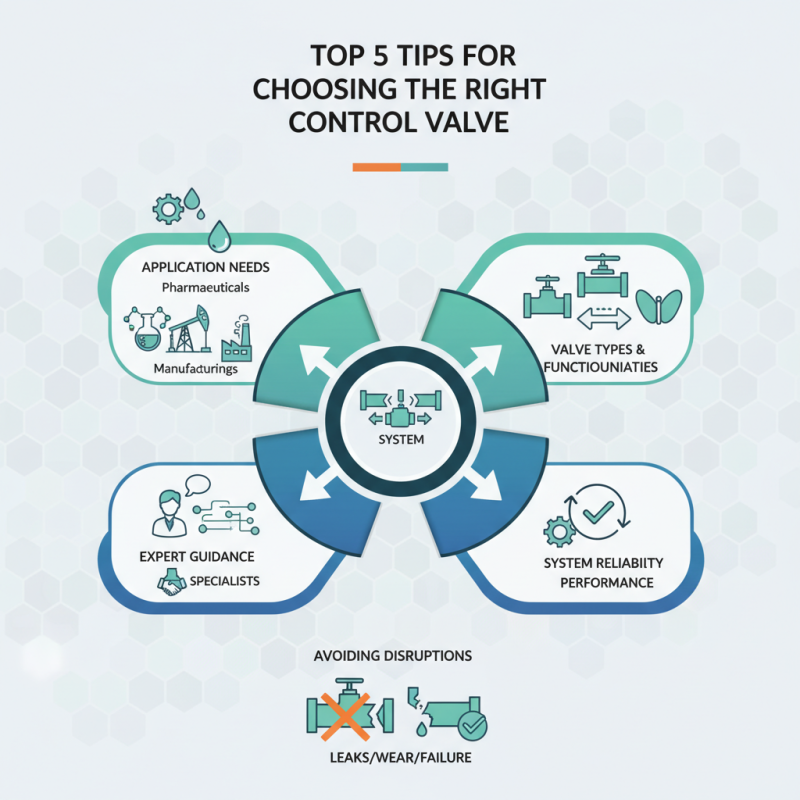
Selecting the right control valve is crucial for optimizing system performance. Control valves regulate flow and pressure in pipelines, significantly impacting efficiency. A poorly chosen valve can lead to significant disruptions in operations.
When choosing a control valve, consider the specific application needs. Different industries demand unique requirements, from pharmaceuticals to oil and gas. The wrong selection may cause leaks, excessive wear, or even equipment failure. This highlights the importance of expert guidance.
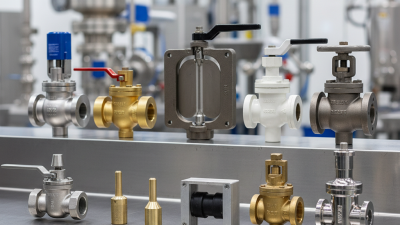
Understanding valve types and their functionalities is essential. Various designs, such as globe, ball, and butterfly valves, serve distinct purposes. Experience suggests that consulting with industry specialists can aid in making informed decisions. A reliable control valve can enhance performance and ensure system reliability.
Understanding the Functionality of Control Valves in Fluid Systems
Control valves play a crucial role in fluid systems. They regulate flow rates, pressure, and temperature, ensuring optimal performance. According to industry reports, improper valve selection can lead to energy inefficiency. In fact, over 30% of fluid system energy can be wasted due to inadequate valve choices. Understanding the right control valve type is essential for effective system design.
Tip 1: Assess your system requirements. Consider the distinctive characteristics of your fluid, such as temperature and viscosity.
Tip 2: Evaluate the environment. Factors like corrosion or high pressure can influence valve selection. A wrong choice can result in equipment failure and costly downtime.
Valve functionality includes opening and closing based on specific feedback. Advanced control valves incorporate electronic and pneumatic actuation for precise control. However, they also require regular maintenance and expert knowledge for optimal performance. Research shows that many companies overlook these aspects, potentially risking system integrity.
Tip 3: Involve experienced professionals in the selection process. Their insights can help identify potential challenges and avoid common pitfalls.
Top 5 Tips for Choosing the Right Control Valve
This chart represents the important factors to consider when choosing the right control valve for fluid systems. Each factor is rated on a scale of 1 to 10 based on its importance.
Key Factors to Consider When Selecting a Control Valve Type
When selecting a control valve, understanding the specific application is crucial. The type of media, temperature, and pressure all influence the choice. For instance, a corrosive fluid requires special materials that can withstand such conditions. Highlighting the environment helps identify the right valve type. This often involves not just technical specs but also real-world scenarios.
Another important factor is the flow characteristics. Different valves provide varied responses to flow changes. A linear valve might be ideal for constant flow applications. On the other hand, a quick-opening valve may work better in situations requiring rapid shifts in flow. Assess your operational needs carefully. A mismatch can lead to inefficiencies or failures.
Lastly, consider the control strategy. The valve should integrate seamlessly with your control system. Some systems rely on feedback for accuracy, while others may require manual adjustments. Conducting a thorough analysis of these elements may lead to imperfect choices at times. However, these reflections can enhance future selections. Quantity of options may overwhelm, but focusing on key details ensures a more informed decision.
Evaluating Material Compatibility for Long-Term Performance
When selecting a control valve, material compatibility is crucial for ensuring long-term performance. The valve’s material must withstand the operating conditions, including pressure, temperature, and corrosive environments. Researching various materials can help you avoid premature failures. For instance, stainless steel is commonly used for its resistance to rust but may not be optimal for certain chemicals.
It is essential to understand the fluid characteristics as well. Factors such as pH levels, viscosity, and temperature fluctuations play a significant role in material selection. If your application involves abrasive materials, consider harder materials or protective coatings. Empirical data shows that compatibility issues can lead to costly downtime and repairs.
Many engineers overlook the importance of proper installation and maintenance. Even the best materials can fail without proper handling. Regular inspections can identify signs of wear or degradation. A proactive approach often saves time and costs in the long run. Remember, while optimal material selection is crucial, ongoing assessment is equally vital for performance longevity.
Determining the Right Sizing and Flow Capacity for Your Application
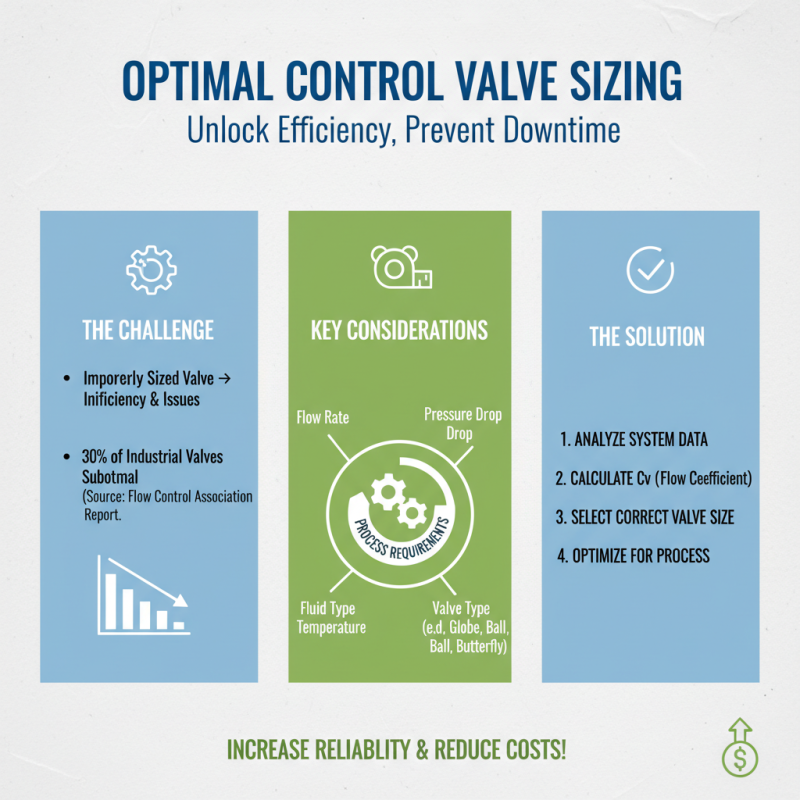
Choosing the right control valve involves understanding sizing and flow capacity. An improperly sized valve can lead to inefficiency. A report by the Flow Control Association indicates that nearly 30% of control valves in industrial processes operate under suboptimal conditions.
When sizing a control valve, consider the required flow rate and pressure drop. Utilize the valve sizing equations derived from the flow requirements of your system. For example, a valve's Cv (flow coefficient) can significantly influence performance. If you overlook these parameters, you might end up with a valve that restricts flow, resulting in increased energy consumption.
Another aspect to consider is the application's operational dynamics. Sudden changes in flow demand can put stress on your valve. A study from the International Society of Automation highlights that 25% of control valve failures stem from frequent flow fluctuations. Therefore, awareness of your system's behavior is crucial. Engage with engineering professionals to gain insights into specific needs and potential pitfalls.
Assessing Control Valve Features and Actuation Methods for Efficiency
Selecting the right control valve involves understanding its features and actuation methods. Proper assessment can greatly enhance system efficiency. When evaluating features, consider material compatibility with your process fluids. This ensures longevity and reliable performance in various environments. Corrosion-resistant materials are often necessary, especially in harsh conditions.
Actuation methods are also crucial. Electric, pneumatic, and hydraulic actuators each have unique characteristics that suit different applications. Electric actuators offer precision control, while pneumatic options excel in speed and response time. It’s vital to weigh these factors against system requirements. Sometimes, the chosen actuation method may not deliver the expected results. Reflecting on past selections can lead to better choices in the future.
Efficiency also hinges on proper sizing and selection. An overly large valve can lead to erratic flow control. Conversely, a small valve may restrict fluid movement. Understanding the flow rate and pressure requirements is essential. It’s worth reevaluating past projects to identify oversights. By analyzing past decisions, one can make more informed choices moving forward.