What is a relief valve and how does it work in 2026?
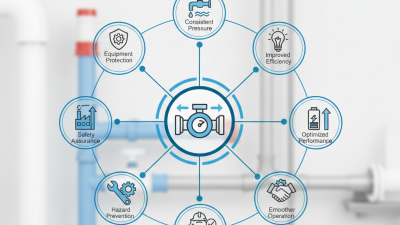
In 2026, the relief valve stands as a crucial component in various systems. This device prevents excessive pressure buildup in pipelines, tanks, and other equipment. By opening at a predetermined pressure, the relief valve allows excess fluid or gas to escape, ensuring safety and efficiency.
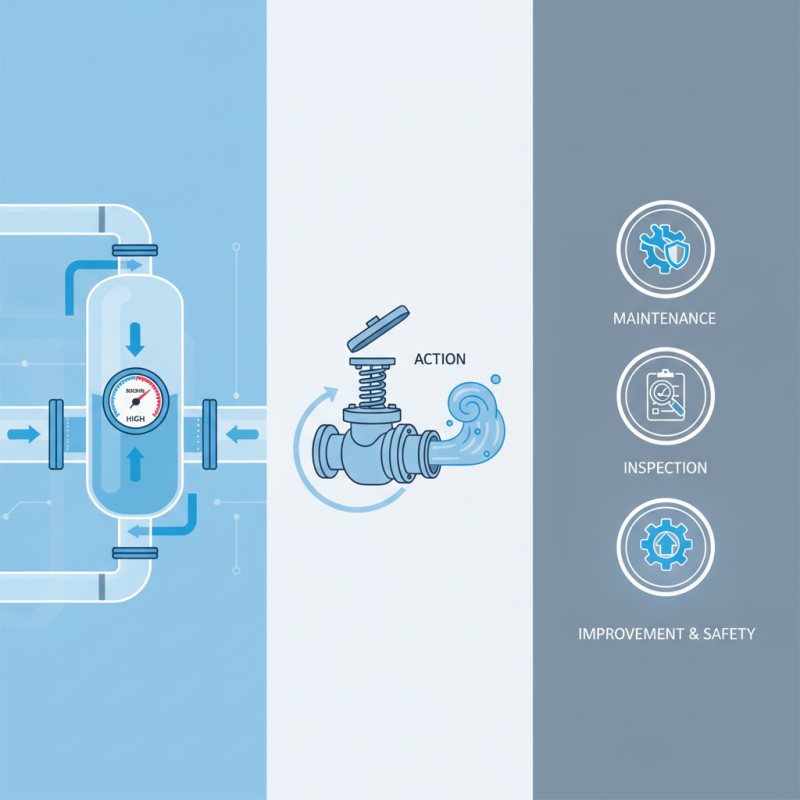
The mechanics of a relief valve are fascinating. When pressure exceeds the set limit, it triggers the valve to open. This action releases the buildup, averting potential failures or catastrophic explosions. Understanding this device's function is essential for industries reliant on pressurized systems.
However, not all relief valves operate flawlessly. Instances of malfunction can lead to severe consequences. Regular maintenance and inspections are vital to uphold their reliability. It emphasizes the need for continuous improvement in designing and implementing these valves. Their role is undeniable, yet the industry must focus on enhancing safety measures surrounding their operations.
What is a Relief Valve and Its Purpose in Modern Systems
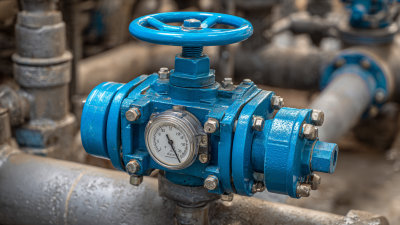
A relief valve is a critical component in modern systems, designed to protect against excessive pressure. When pressure builds up beyond a safe limit, the valve opens to release the excess gas or liquid. This process helps to prevent catastrophic failures in systems. Understanding the valve's function is essential for ensuring safety and maintaining efficiency.
In 2026, relief valves are increasingly found in various applications, from industrial machinery to household appliances. They are built with advanced materials enhancing their durability. In most cases, they operate automatically. However, over time, wear and tear can affect their performance. It’s crucial to monitor these valves regularly to ensure proper function.
Many users overlook maintenance needs. Some think, “It’s working fine.” This attitude can lead to failures. Regular checks can reveal issues before they turn serious. Investing time in maintenance can save costs and improve safety. Remember, a tiny leak today could become a big problem tomorrow. A vigilant approach is always beneficial in managing pressure safety.
Relief Valve Performance Data (2026)
This bar chart illustrates the performance metrics of relief valves in 2026, showcasing their effectiveness in managing pressure, temperature, flow rate, and response time within modern systems.
Key Components of a Relief Valve and Their Functions
Relief valves are crucial for maintaining safety in pressurized systems. They prevent equipment damage by relieving excess pressure. In 2026, understanding their components is essential for efficient operation.
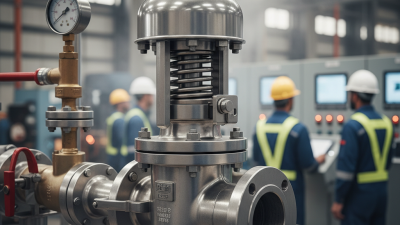
The primary parts include the valve body, spring, and actuator. The valve body houses internal components and connects to the system. The spring determines the pressure set point. When pressure exceeds this point, the actuator opens the valve. This releases excess pressure, preventing catastrophic failures. Industry reports indicate that up to 30% of equipment failures stem from pressure-related issues.
Tips: Regular maintenance is vital. Inspect springs for wear periodically. A faulty spring can lead to improper functioning. Additionally, ensure that the valve seat is clean. A blocked seat can cause pressure build-up.
Like any mechanism, relief valves can have flaws. Miscalculations in pressure settings are common. Engineers must consider all operational variables. In some cases, valves may not open when needed. This highlights the necessity for accurate pressure monitoring and testing.
How Relief Valves Operate: Mechanics and Pressure Regulation
Relief valves are critical components in many systems. They prevent pressure from exceeding safe levels. When pressure builds up, the valve opens automatically. This releases excess pressure and protects the system. The mechanism is quite simple yet effective in operation.
The relief valve consists of a spring and a disc. The spring holds the disc tightly against the seat. Under normal conditions, the seat prevents fluid flow. However, if the pressure increases, the spring compresses. When the set pressure is reached, the disc lifts, allowing fluid to escape. This action prevents potential damage to the system.
Understanding the operation of relief valves is essential. Over time, these components may wear out. Regular maintenance can help retain their effectiveness. Ignoring this may lead to system failures. Relief valves are not infallible. They require careful consideration and sometimes, re-evaluation.
Applications of Relief Valves in Various Industries
Relief valves play a crucial role across multiple industries. In the oil and gas sector, they prevent overpressure situations. A report by MarketsandMarkets states that the global relief valve market is expected to reach $4.2 billion by 2026. This indicates strong demand driven by safety concerns and regulatory compliance.
In manufacturing, relief valves are essential for maintaining equipment integrity. They automatically discharge excess pressure to protect machinery. Industries like pharmaceuticals require strict adherence to safety protocols. Research from Grand View Research highlights that the pharmaceutical sector will increasingly rely on advanced relief valve technology to ensure product safety and efficacy.
Despite their importance, not all relief valves are designed equally. Some may fail under extreme conditions, posing risks. This inconsistency highlights the need for regular maintenance and testing. As industries evolve, focusing on reliability and function becomes vital. Emphasizing the right materials and technologies will enhance their performance in demanding environments.
Future Innovations and Trends in Relief Valve Technology
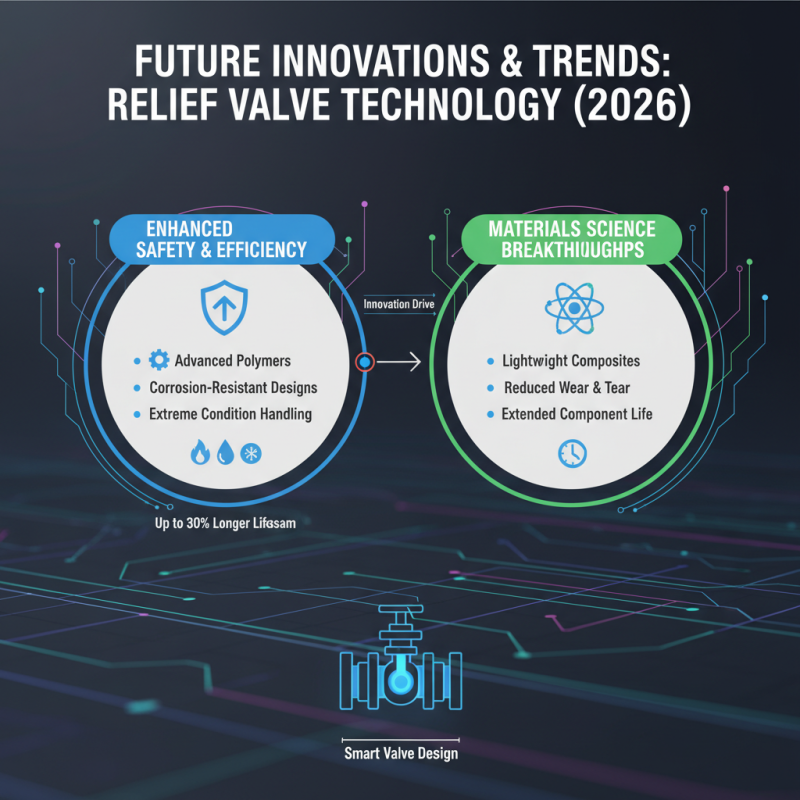
In 2026, relief valves are expected to undergo significant innovations aimed at enhancing safety and efficiency. Advances in materials science promise lightweight, corrosion-resistant designs that can handle extreme conditions. For example, the use of advanced polymers is projected to reduce wear and extend the lifespan of these components by up to 30%.
Additionally, data analytics will play a crucial role in monitoring valve performance in real-time. Continuous monitoring systems can predict failures before they occur. This predictive maintenance could reduce downtime by 25%, increasing overall operational efficiency. Despite these advancements, challenges remain. The integration of smart technologies may encounter resistance from traditional industries, hesitant to update existing systems.
Moreover, the industry faces regulatory hurdles. New standards for emissions and safety could complicate the implementation of innovations. Stakeholders must balance innovation with compliance, which may slow the adoption of new technologies. As the landscape evolves, the effectiveness of relief valves will largely depend on adaptability and foresight.