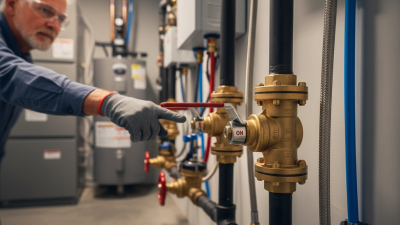
Why You Need a Natural Gas Shut Off Valve for Home Safety and Maintenance
In today's world, home safety and maintenance have become paramount concerns for homeowners. One of the critical components that can significantly contribute to these aspects is the natural gas shut off valve. According to industry expert Dr. Emily Carter, a leading authority in home safety and gas system technology, "A natural gas shut off valve is not just a convenience; it’s a necessary safety measure that can prevent catastrophic events."
The importance of having a natural gas shut off valve installed in your home cannot be overstated. In the event of a gas leak, the ability to quickly cut off the gas supply can protect not only your property but also your family from potential harm. Furthermore, the regular maintenance of this valve ensures that it functions properly under pressure, which is critical in emergencies.
As we delve deeper into the significance of the natural gas shut off valve, it becomes clear that understanding its functionality, installation, and maintenance is essential for every homeowner. By prioritizing this safety measure, individuals can take proactive steps towards safeguarding their homes and ensuring peace of mind.

Importance of a Natural Gas Shut Off Valve for Home Safety
A natural gas shut off valve is an essential component for maintaining a safe home environment. It serves as a crucial safety measure, allowing homeowners to quickly stop the flow of gas in case of a leak or emergency. This can prevent potential disasters, including explosions or harmful gas exposure. Installation and regular maintenance of this valve can significantly enhance the overall safety of a home, providing peace of mind for residents.
When considering the importance of a natural gas shut off valve, it’s also vital to understand how to use it effectively. Homeowners should familiarize themselves with the location and operation of the valve, ensuring they can access it quickly during an emergency. Regular inspections are equally important; check for any signs of wear or damage to ensure it functions properly when needed.
**Tips**: Always label the natural gas shut off valve and educate family members on its location and operation. Additionally, consider incorporating a routine check into your home maintenance schedule to ensure the valve remains accessible and in good working condition. Regularly consult a professional to handle any maintenance or repairs to mitigate risks associated with gas leaks.
Why You Need a Natural Gas Shut Off Valve for Home Safety and Maintenance
| Aspect |
Details |
| Preventing Gas Leaks |
Shut off valves can quickly stop gas flow in case of a leak, reducing fire and explosion risks. |
| Emergency Response |
In emergencies, timely access to shut-off valves can save lives and property. |
| Routine Maintenance |
Allows homeowners to safely perform maintenance on gas appliances without the risk of leaks. |
| Installation Location |
Should be easily accessible, typically near gas meters or appliances. |
| Legal Requirement |
In many jurisdictions, having a shut-off valve is mandated by local codes. |
| Cost Efficiency |
Investing in a shut-off valve can prevent costly damages from gas leaks. |
How a Shut Off Valve Works and Its Mechanism
A natural gas shut off valve is an essential component in the safety and maintenance of residential gas systems. Its primary function is to stop the flow of gas in the event of a leak or emergency, preventing potential hazards such as explosions or fires. The mechanism of a shut-off valve is quite straightforward yet crucial. Typically, the valve consists of a handle that, when turned, opens or closes the pathway for gas. Depending on the design, some valves can be operated manually while others may function automatically in response to detected leaks.
The workings of a shut-off valve rely on a simple yet effective design to ensure quick response times during emergencies. For instance, when a gas leak is detected by a sensor, the valve can automatically close, halting gas flow almost instantaneously. In manual systems, homeowners need to know the location of the valve and how to operate it quickly if a leak is suspected. Regular maintenance of these valves is also vital to ensure they function correctly; this includes periodic checks and potential replacement if they show signs of wear or malfunction. Understanding the mechanism behind shut-off valves can empower homeowners to take necessary safety precautions, safeguarding their homes and loved ones against the dangers of natural gas.
Natural Gas Shut Off Valve Importance
Common Scenarios Requiring the Use of a Shut Off Valve
A natural gas shut off valve is an essential safety feature for any home, allowing homeowners to quickly stop gas flow in the event of an emergency. One common scenario requiring the immediate use of this valve is a gas leak. If you smell gas in your home, time is of the essence. In such cases, turning off the gas supply with the shut off valve can prevent potential explosions or fire hazards, ensuring the safety of you and your family while allowing you to evacuate the premises and seek professional assistance.
Another situation that may necessitate the use of a shut off valve is during home maintenance or remodeling projects that involve potential gas lines work. When installing new appliances or conducting repairs, it’s crucial to cut off the gas supply to avoid accidents and ensure a safe environment for workers. Additionally, if you plan to be away from home for an extended period, shutting off the gas can offer peace of mind, mitigating risks associated with leaks in your absence. Being aware of these common scenarios and having the appropriate shut off valve readily accessible can significantly enhance home safety and maintenance practices.
Maintenance Tips for Your Natural Gas Shut Off Valve
To ensure the optimal performance of your natural gas shut-off valve, regular maintenance is crucial. Research indicates that nearly 80% of residential gas leak incidents are preventable with proper inspection and maintenance practices. Homeowners should familiarize themselves with the location and operation of their shut-off valve and schedule inspections at least once a year. During these inspections, it’s vital to check for any signs of corrosion or leaks and ensure that the valve operates smoothly without obstruction.
Additionally, understand that the gas shut-off valve should be easily accessible and clearly marked. In emergencies, time is of the essence, and knowing how to quickly shut off the gas can prevent dangerous situations. Studies have shown that an estimated 40% of households do not have their shut-off valves properly maintained, increasing risks associated with gas leaks. Homeowners can enhance their safety by conducting simple visual checks every few months, looking for any physical damage or signs of wear on the valve and its connections. It’s advisable to document maintenance activities and consult with professionals for any significant repairs or replacements to guarantee the reliability of this essential safety component in your home.
Legal Requirements and Recommendations for Homeowners
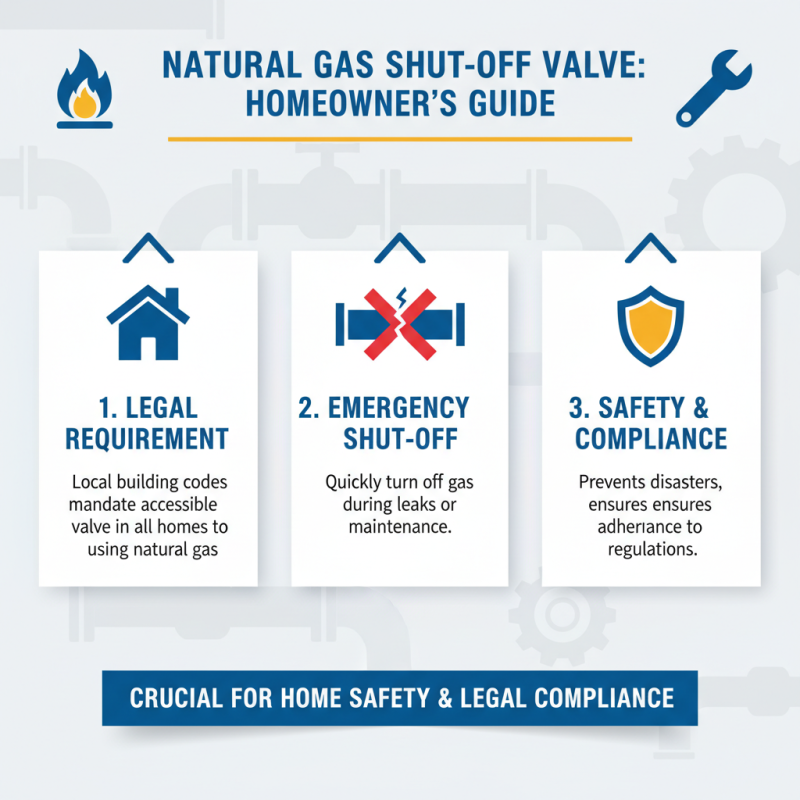
Homeowners must understand the legal requirements surrounding the installation of natural gas shut-off valves, as adherence to these regulations is crucial for safety and compliance. Generally, local building codes mandate that all homes using natural gas must have a shut-off valve installed in a readily accessible location. This valve allows residents to quickly turn off the gas supply in emergencies, such as a gas leak or during maintenance work, thereby preventing potential disasters.
In addition to legal obligations, it is advisable for homeowners to stay informed about recommendations from safety organizations and local authorities. These entities often provide guidelines on the placement, maintenance, and periodic inspection of shut-off valves. For instance, it is recommended that home systems undergo regular checks to ensure that the valve operates correctly, emphasizing its critical role in safeguarding lives and property. By meeting these legal requirements and following expert recommendations, homeowners can significantly enhance their safety and ensure the efficient operation of their natural gas systems.