Why Are Roll Down Fire Doors Essential for Safety?
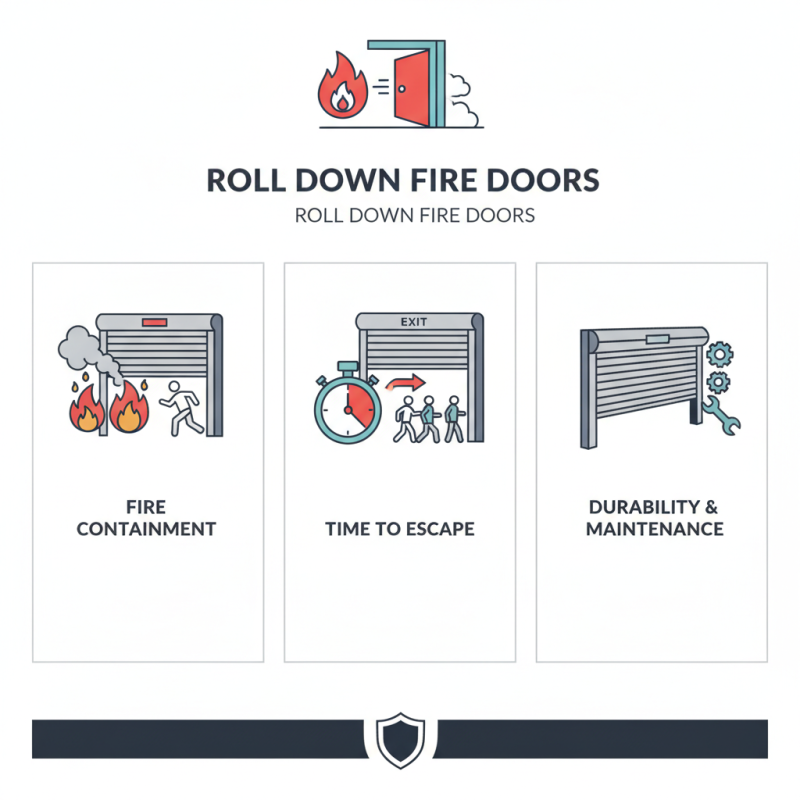
Safety in commercial buildings is a crucial concern. Among various safety measures, Roll Down Fire Doors play an essential role. These doors are more than just barriers; they are lifesaving elements. They help contain fires, minimizing damage and giving occupants more time to escape.
When a fire breaks out, time is of the essence. Roll Down Fire Doors quickly deploy to seal off areas, preventing smoke and flames from spreading. They are often made with durable materials, ensuring effectiveness under extreme conditions. The functionality of these doors becomes vital in high-traffic areas. Yet, despite their importance, many neglect their maintenance.
Regular checks and proper installation are necessary for Roll Down Fire Doors to perform effectively. Failure to maintain these doors can lead to catastrophic outcomes. It’s a reminder that safety features require attention. Neglecting them is a risk no facility should take.
The Role of Roll Down Fire Doors in Fire Safety Regulations
Roll down fire doors play a crucial role in enhancing fire safety regulations. These doors act as vertical barriers. They help contain fire and smoke, preventing them from spreading. According to the National Fire Protection Association, properly installed fire doors can reduce fatalities by up to 75%. This is significant.
These doors are required in many commercial buildings. They provide vital protection, especially in high-traffic areas. When a fire alarm triggers, roll down doors deploy quickly. This minimizes exposure time for occupants and emergency responders. However, regular maintenance is essential. An annual inspection ensures functionality and compliance with local codes.
Tip: Always check the seal and hardware on your fire doors. If they malfunction, the risk of smoke spreading increases.
Training staff on fire door operations is equally important. Many employees may not know how to use these doors correctly. Knowledge can make a difference in an emergency.
Tip: Conduct regular fire safety drills that include roll down door usage. This practice keeps everyone informed and prepared when it matters most.
Understanding the Mechanism and Functionality of Roll Down Fire Doors
Roll down fire doors play a critical role in maintaining safety. They act as barriers during a fire, preventing flames and smoke from spreading. When activated, these doors roll down quickly, sealing off areas to protect occupants and property. The mechanism involves a series of heavy-duty springs that manage the door's descent. Simple yet effective, they are often installed in commercial buildings and industrial spaces.
Understanding the functionality of roll down fire doors requires knowledge of their components. They consist of a metal curtain that rolls into a coil assembly. When triggered, whether by smoke detectors or manual activation, the doors descend. This swift action helps contain a fire within a specific area. Observing these doors during a drill can reveal small inefficiencies. Sometimes, they do not descend smoothly or get stuck. Regular maintenance is vital to ensure proper functioning.
Fire doors must align correctly to seal effectively. Any gaps may allow smoke to escape, compromising safety. The installation process must be meticulous. Poorly installed doors can form weaknesses. These potential issues highlight the importance of routine checks. Maintaining functionality is essential to promote safety and compliance in any facility.
Statistical Analysis of Fire Incidents and the Impact of Fire Doors
Fire incidents can lead to devastating loss. According to the National Fire Protection Association (NFPA), in 2021, there were over 1.3 million reported fires in the United States. These fires caused roughly 3,400 civilian deaths and more than 15,000 injuries. The presence of roll down fire doors can significantly mitigate these numbers. These doors act as barriers, containing flames and smoke. They prevent the rapid spread of fire, allowing occupants time to evacuate.
A recent study by the U.S. Fire Administration highlighted that buildings equipped with functional fire doors saw a 40% reduction in fire-related injuries. Fire doors can withstand high temperatures and are crucial during emergencies. However, regular maintenance is essential. Many doors are often neglected and fail when needed most. It's a sobering thought that even a small oversight can compromise safety.
Tips: Regularly check fire doors for functionality. Ensure they close properly without obstructions. Consider installing alarms that signal when doors are not in place. Awareness is key. Familiarize occupants with fire door locations and their uses. This simple knowledge could save lives.
Key Benefits of Installing Roll Down Fire Doors in Commercial Spaces
Roll down fire doors are critical for maintaining safety in commercial settings. They act as barriers, preventing the spread of smoke and flames during a fire. This can save lives and protect valuable property. Roll down doors offer a strong physical barrier against fire hazards. They are designed to close swiftly, ensuring that the area remains isolated.
Installing roll down fire doors enhances overall safety. These doors can be integrated with fire alarm systems. When a fire is detected, they automatically deploy. This feature is crucial for minimizing damage. Moreover, many designs allow for easy manual operation in emergencies, adding flexibility.
In busy commercial spaces, hazards abound. Storage areas filled with combustible materials increase risk. Regular maintenance is essential to ensure that these doors function properly. Neglecting this can lead to failures in critical moments. It’s important to plan for inspections and updates routinely. Investing in roll down fire doors adds a layer of reassurance, but only if they’re maintained correctly.
Importance of Roll Down Fire Doors in Commercial Spaces
Maintenance and Inspection Standards for Optimal Fire Door Performance
Roll down fire doors play a vital role in enhancing safety in various buildings. To function effectively, regular maintenance and inspection are essential. Many overlook these tasks, assuming that the doors will simply work when needed. This oversight can lead to serious consequences in case of a fire emergency.
Performing routine inspections is crucial. Technicians should check the door for signs of wear or damage. They must ensure that the mechanism operates smoothly and that the door closes completely without obstruction. Regular cleaning helps in preventing buildup that can hinder performance. A simple dust accumulation might seem harmless, but it can affect functionality.
Documentation is important too. Keeping detailed records of inspections and maintenance schedules is often ignored. This lack of documentation can lead to gaps in safety protocols. It’s essential to reflect on these practices and recognize that making improvements can save lives in emergencies. Everyone involved in fire safety should prioritize these maintenance standards.
Why Are Roll Down Fire Doors Essential for Safety? - Maintenance and Inspection Standards for Optimal Fire Door Performance
| Dimension | Details |
| Function | To prevent the spread of fire and smoke in building infrastructure. |
| Material | Typically constructed from steel or other fire-resistant materials. |
| Compliance Standards | Must meet local fire codes and NFPA (National Fire Protection Association) standards. |
| Maintenance Frequency | Recommended inspections at least twice a year. |
| Common Issues | Dirt accumulation, malfunctioning mechanisms, and improper sealing. |
| Inspection Checklist | Visual inspections, functionality tests, and checks for proper closures. |
| Training Importance | Staff should be trained on how to operate properly and recognize issues. |
| Repair Resources | Qualified technicians should be contacted for any repairs or malfunctions. |