How to Enhance Valve Automation and Control for Efficiency?
In the field of valve automation and control, efficiency is paramount. Experts like Dr. Emily Wright, a leading authority in this industry, emphasize the importance of integrating advanced technology. She once stated, “The future of valve automation relies on smart systems that provide real-time data and analytics.” This insight highlights the pivotal role technology plays in enhancing operational performance.
The demand for improved valve automation and control is evident across various sectors. Industries seek to minimize waste and optimize processes. However, the journey towards efficiency requires reflection. Many organizations may rely on outdated systems, hindering their potential. Embracing smart automation solutions presents both an opportunity and a challenge.
Moreover, the path to effective valve automation and control involves collaboration and continuous learning. Experts must work together to address common pitfalls. While advancements are promising, they also come with complexity. The aim is to simplify operations while ensuring reliability. In navigating this evolving landscape, organizations must remain adaptable and open to innovation.

Benefits of Enhanced Valve Automation in Industrial Processes
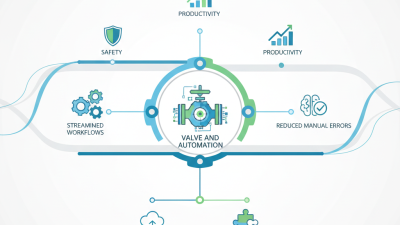
Enhanced valve automation can significantly boost efficiency in industrial processes. By optimizing valve control, facilities can achieve better accuracy and reliability in fluid management. Automated valves minimize human error, which is vital in complex operations. The result is often higher output and lower costs.
One of the main benefits is real-time monitoring. This capability helps in quick decision-making. Data from automated systems provides insights into performance trends. Operators can address potential issues before they escalate. This proactive approach is essential for maintaining smooth operations.
Consider integrating predictive maintenance schedules. This ensures that valves operate at peak performance. Regular checks can head off unexpected failures. A systematic approach to valve maintenance can reduce downtime. Constant evaluation of automation can lead to continuous improvement in efficiency. Identifying weaknesses in the system is crucial for growth.
Key Technologies for Improving Valve Control Efficiency
Efficient valve automation is critical for industrial processes. Key technologies can significantly enhance valve control efficiency. The integration of smart valve controllers is one such advancement. These controllers use real-time data analytics to optimize performance. According to a 2022 report by a leading industry research firm, smart valve solutions can improve operational efficiency by up to 30%.
Another important technology is predictive maintenance. Utilizing IoT sensors allows for continuous monitoring of valve conditions. This data helps identify potential issues before they lead to failures. Research indicates that predictive maintenance can reduce downtime by 25%, demonstrating its impact on operational reliability. However, many organizations neglect this technology, often due to budget constraints or lack of expertise.
Lastly, employing advanced software for valve management can streamline operations. These programs enable better process coordination and reduce manual errors. A case study found that organizations using such software saw a 20% enhancement in valve response times. Yet, the implementation can be complex, requiring thorough training and integration efforts. Balancing these technologies with real-world limitations is essential for maximizing valve control efficiency.
Real-Time Data Analytics for Predictive Maintenance in Valves
Real-time data analytics is revolutionizing valve maintenance in industrial settings. By harnessing predictive maintenance, facilities can substantially reduce downtime. A study by the International Society of Automation highlights that predictive maintenance can lower maintenance costs by up to 30%. This approach uses data from sensors to predict when a valve is likely to fail, allowing for timely interventions.
Sensors gather crucial data on pressure, temperature, and flow rate. This data is analyzed using advanced algorithms, determining the health of the valve. The analysis does not always yield perfect results. False positives can lead to unnecessary maintenance, wasting resources. Moreover, faulty sensor readings may cause early failures. Yet, addressing these issues with continuous improvement can enhance overall efficiency.
Incorporating real-time analytics means embracing a cultural shift in many organizations. Employees must understand the importance of data integrity. Training them to interpret data correctly is essential. A recent report from the American Society of Mechanical Engineers recommends regular training programs to ensure optimal performance. A proactive stance towards predictive maintenance can yield significant operational advancements.
Impact of Smart Valves on Energy Consumption Reduction
The integration of smart valves significantly transforms energy consumption in industrial systems. These valves are equipped with advanced sensors and control mechanisms. They provide real-time feedback, allowing for precise adjustments in response to changing conditions. This adaptability leads to optimal flow rates and pressure management. The result is reduced energy wastage and improved overall efficiency.
Beyond just saving energy, smart valves can help in identifying leaks or inefficiencies. By monitoring system performance continuously, operators can pinpoint areas requiring attention. This proactive approach prevents larger issues that could lead to downtime or costly repairs. However, not all systems are updated or optimized for smart technology. This gap may hinder their benefits unless addressed strategically.
Moreover, the initial investment in smart valves can be daunting. Many companies hesitate, worried about costs and integration challenges. Developing a clear strategy can help alleviate these concerns. It's essential to weigh the long-term gains against initial expenses. Energy savings and improved operational efficiency often justify these upfront costs. Understanding how to best deploy smart valve technology can lead to substantial advancements in energy practices.
Case Studies: Successful Implementations of Valve Automation Solutions
In the realm of valve automation solutions, real-world applications demonstrate both efficiency gains and lessons learned. One notable case involved a chemical processing plant that implemented automated valves to streamline operations. The results were impressive. The plant reduced downtime by 30%, enhancing overall throughput. However, integrating automation into existing systems was not without its challenges. Staff required additional training, and some older equipment needed upgrades.
Another example comes from a water treatment facility. They successfully adopted remote-controlled valves to regulate flow dynamically. This improved the facility's ability to respond quickly to varying water quality. Yet, there were unexpected delays in part delivery, which affected the project timeline. Stakeholders had to adapt and rethink their approach to project management.
These instances highlight that while valve automation can significantly boost operational efficiency, organizations must be prepared for unforeseen issues. Continuous learning and flexibility are essential when implementing new technologies. Embracing these challenges can lead to innovative solutions and improved processes.