How to Easily Locate and Operate a Shut Off Valve?
Finding a shut off valve can seem daunting. However, it is essential for any homeowner. Understanding its location can save you from potential disasters. Water leaks or pipe bursts require immediate action. Knowing how to locate this crucial component is important.
A shut off valve controls the water flow to your home. Many people overlook it until an emergency occurs. This oversight can lead to significant damage and costly repairs. It is crucial to plan ahead and familiarize yourself with this valve.
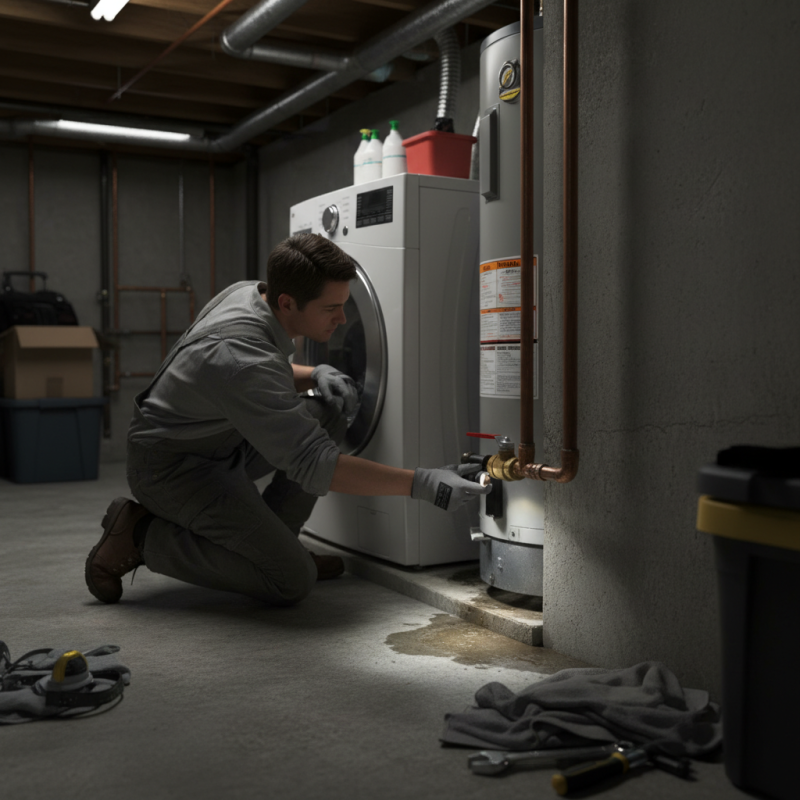
You may feel uncertain about where to search. Look in common areas like basements or utility closets. Sometimes, they are behind appliances or in crawl spaces. By knowing these spots, you arm yourself with valuable knowledge. This preparation can help you respond quickly during an emergency.
Understanding the Purpose and Importance of Shut Off Valves
Shut off valves play a crucial role in our plumbing and gas systems. They help control the flow of water or gas in various situations. When there is a leak or maintenance work needed, these valves allow us to stop the flow quickly. Understanding how they function is essential for every homeowner.
Finding a shut off valve can sometimes be challenging. They are often located near the main water supply or along gas lines. Sometimes, they hide behind walls or in basements. If you're not diligent, you might overlook their significance until an emergency arises. This lack of awareness can lead to chaos when a pipe bursts or a gas leak occurs.
Operating a shut off valve is simple, yet many people hesitate to do it. Some worry about their ability to turn the valve effectively. Others might fear causing more trouble. A firm push or turn is usually what’s needed. It is important to learn and practice this skill. In critical moments, hesitation can lead to more damage. Recognizing the importance of these valves can empower homeowners to take quick action when it matters.
Shut Off Valve Functionality Analysis
Identifying the Location of Shut Off Valves in Your Home
Identifying shut off valves in your home is crucial for emergency situations. According to the American Society of Home Inspectors, nearly 60% of homeowners do not know the location of these valves. This lack of awareness can lead to significant water damage during a plumbing emergency.
Shut off valves are generally found near water sources. Look under sinks, behind toilets, and close to your main water line. In homes with basements, valves might be located on pipes near the floor. It's wise to check these areas periodically. You might discover hidden valves. This hidden knowledge can be vital during unexpected leaks.
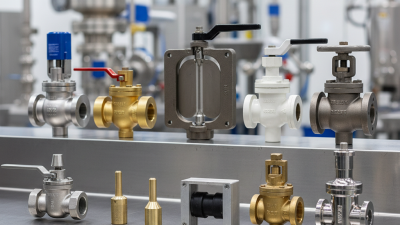
Many homeowners mistakenly assume all valves are similar. Some valves require a simple turn; others might need a quarter turn or a pull down. Ill-fitting or corroded valves can complicate the process. If you find yourself struggling, retraining your technique or considering maintenance can help. Knowing how to operate these valves correctly helps prevent further issues.
Step-by-Step Guide to Operating a Shut Off Valve Safely
A shut off valve is essential for managing water flow in your home. Understanding how to safely operate it ensures you're prepared for emergencies. Many homeowners overlook this critical aspect. According to industry reports, nearly 30% of plumbing issues arise from improper valve operation.
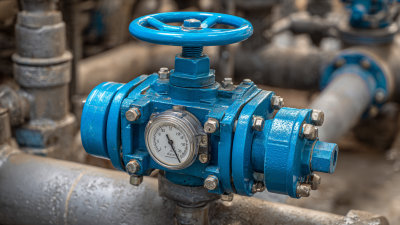
To locate your shut off valve, start by checking near your water meter. Look for a round or oval knob, often green, yellow, or blue. If you don’t see it, consult your building plans. Knowing its location can save you time and damage during leaks.
**Tips:** Before turning the valve, ensure your surrounding area is dry. Ensure you have the right tools nearby, like an adjustable wrench. If the valve doesn’t turn easily, avoid forcing it.
After locating the valve, practice turning it on and off. This familiarization helps in emergencies. Many people are unsure about how much force to apply. Too much can damage the valve. According to some studies, 25% of homeowners experience issues due to inadequate knowledge of valve operation.
**Tips:** Mark your valve’s location with a sticker. Remind family members about its importance. Regularly check your valves for wear or leaks. This small maintenance step can prevent larger issues down the line. Pay attention to your home’s plumbing system—it’s worth it.
How to Easily Locate and Operate a Shut Off Valve? - Step-by-Step Guide to Operating a Shut Off Valve Safely
| Step |
Description |
Safety Tips |
Tools Needed |
| 1 |
Identify the location of the shut off valve. |
Ensure the area is dry and clear. |
Flashlight |
| 2 |
Inspect the valve for any signs of wear or damage. |
Wear gloves for hand protection. |
Safety gloves |
| 3 |
Use the appropriate tool to turn the valve. |
Make sure to turn the valve slowly. |
Adjustable wrench |
| 4 |
Ensure the water or gas flow is completely stopped. |
Double-check all connections. |
None |
| 5 |
Document the valve's state for future reference. |
Keep an emergency contact number handy. |
Notebook |
Tips for Regular Maintenance and Inspection of Shut Off Valves
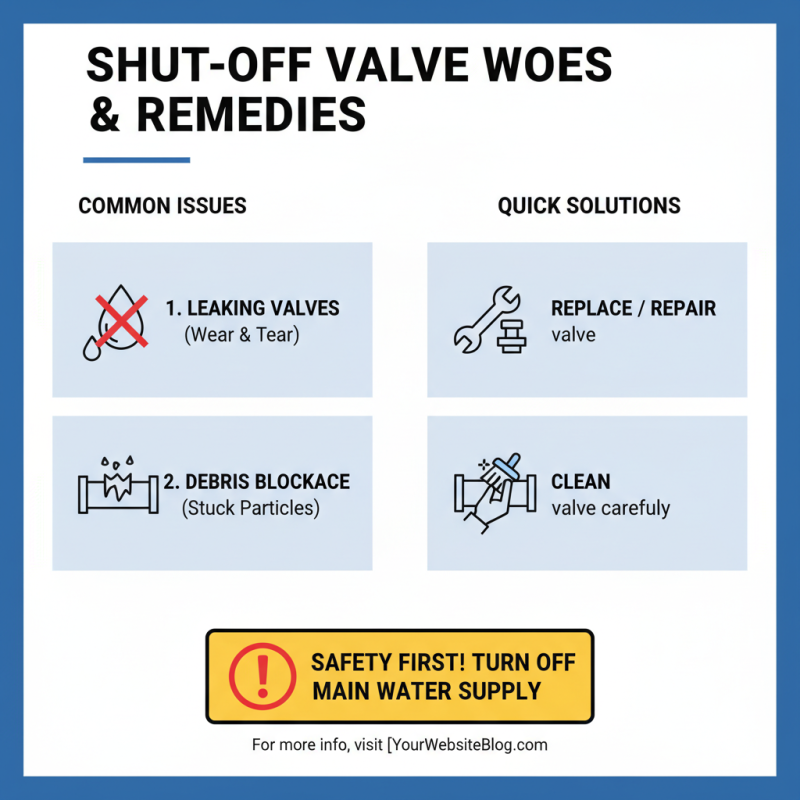
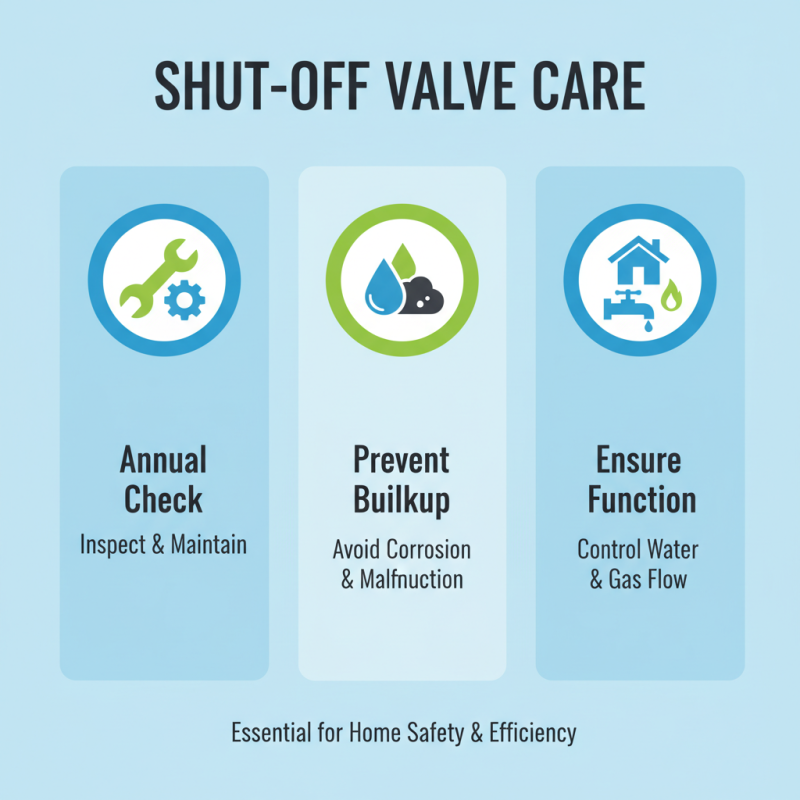
Regular maintenance and inspection of shut-off valves are essential for ensuring their functionality. These valves control the flow of water or gas in your home. Over time, they can accumulate dirt and debris. This buildup can lead to corrosion and malfunction. It's important to check them at least once a year.
During inspection, examine the valve for signs of leaks. Look for rust or discoloration around the valve's body. Tighten any loose fittings to prevent leaks. Sometimes, a simple cleaning can restore the valve's efficiency. Make sure to operate the valve periodically. If it feels stuck, it may need lubrication. Sometimes they are ignored until it's too late.
Don’t skip this step. Even a small issue can become a big problem. Remember, the goal is to keep everything working smoothly. Keeping a record of inspections can also help catch issues early. It’s easy to forget when it was last checked. You may want to set reminders on your phone. Regular checks can save you from costly repairs later.