How to Choose the Right Safety Valve for Your Needs?
When selecting a safety valve, it's crucial to understand your specific needs. John Smith, a recognized expert in the safety valve industry, states, "Choosing the right safety valve is not just about specifications; it’s about understanding your system." These words highlight the importance of aligning the valve with the operational context.
There are different types of safety valves available. The right choice often depends on factors like pressure, temperature, and medium. Each application has its unique requirements. For instance, a steam system will demand a different safety valve than one used in a chemical application. Careful consideration of these details can prevent failures and ensure safety.
Many users overlook critical factors. Misunderstandings about sizing or setting can lead to serious consequences. This indicates the need for thorough research and consultation. Reflecting on past experiences can help refine your approach. In the end, a well-chosen safety valve protects not just equipment, but lives as well.

Understanding the Basics of Safety Valves
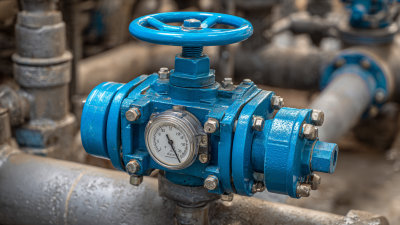
When selecting a safety valve, understanding the basics is crucial. Safety valves are essential in various industries, handling pressure and ensuring workplace safety. Knowing how they function helps in making informed choices. Typically, they release excess pressure, protecting equipment from damage. They need to operate reliably under pressure fluctuations.
Different types of safety valves suit specific applications. For example, some valves are designed for steam, while others handle gas or liquid. Each type features varying set points and flow rates. These specifications matter greatly in ensuring safety. Choosing the wrong valve can lead to failures.
Inexperience can lead to oversights. An insufficiently sized valve may not relieve the pressure, causing hazardous conditions. Regular testing and calibration are necessary to maintain reliability. It’s not enough to choose a valve; you must also understand its limits and capabilities. Knowledge of installation and maintenance requirements is critical. Every component plays a role in safety. Design flaws can occur, too. Addressing potential issues from the start prevents major setbacks later.
Identifying Your Specific Application Requirements
Choosing the right safety valve requires a clear understanding of your specific application needs. Factors such as pressure rating, temperature range, and media type are critical. According to the American Society of Mechanical Engineers (ASME), a valve’s performance can vary significantly depending on these details. Misalignment in specifications can lead to malfunction, risking operational safety.
When identifying your application requirements, consider the fluid dynamics involved. For example, gases behave differently under pressure compared to liquids. Understanding these dynamics will help you select a valve that optimally manages safety. A study by the National Institute of Standards and Technology (NIST) emphasizes the importance of this understanding, noting that incorrect selections can increase failure rates by up to 30%.
Tip: Always consult the technical data sheets provided by manufacturers. This information can reveal compatibility issues and necessary maintenance intervals.
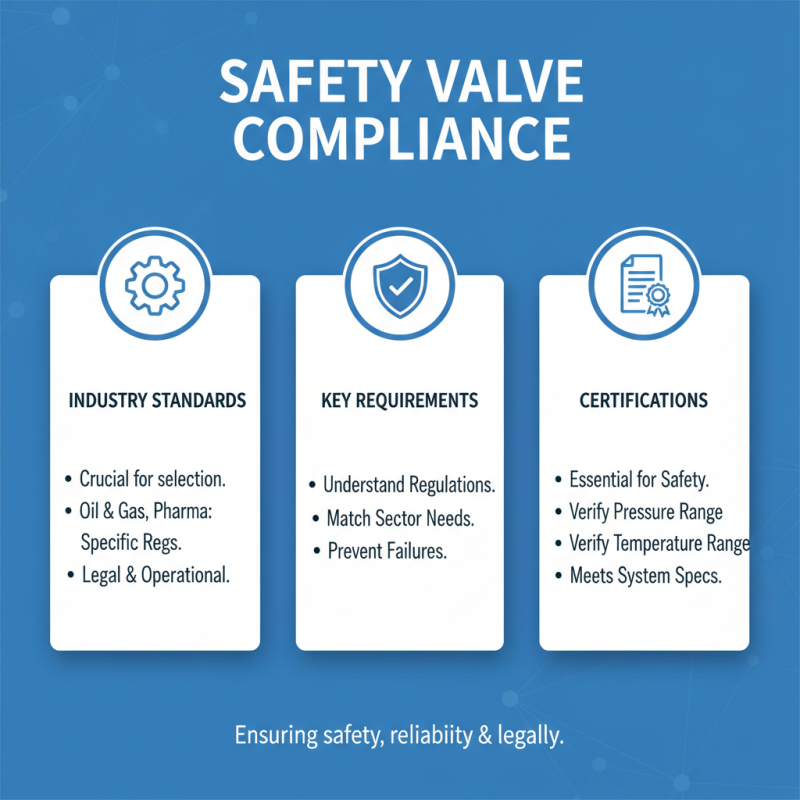
Understanding the environment where the valve will be used is crucial. High temperatures can lead to material fatigue, while corrosive substances may require specific alloys. The Industrial Safety Board recommends evaluating these factors early in the selection process. If overlooked, they could lead to costly repairs and safety hazards.
Tip: Engage with industry experts or safety consultants. They can help navigate complex regulations and ensure compliance, reducing risks associated with valve failures.
How to Choose the Right Safety Valve for Your Needs?
| Application |
Pressure Range (psi) |
Temperature Range (°F) |
Media Type |
Material |
| Steam Systems |
0-150 |
100-400 |
Steam |
Stainless Steel |
| Gas Pipeline |
0-200 |
-20-200 |
Natural Gas |
Bronze |
| Water Systems |
0-300 |
32-180 |
Water |
PVC |
| Air Compressors |
0-150 |
40-250 |
Compressed Air |
Aluminum |
| Chemical Processing |
0-150 |
-50-300 |
Corrosive Chemicals |
PTFE |
Evaluating Pressure and Temperature Ratings for Safety Valves
Choosing the right safety valve involves understanding
pressure and
temperature ratings.
Pressure ratings indicate how much pressure a valve can withstand.
This is crucial for preventing leaks or catastrophic failures. For example, a valve set to relieve at a lower pressure
may not protect your system effectively. Always consult technical specifications to match the valve with your system’s
requirements.
Temperature ratings are equally important. They help ensure the
valve operates effectively in varying conditions. A valve rated for high temperatures may not function correctly
in colder environments. This mismatch can lead to failure or unexpected behavior.
Evaluate the operational temperature range of your system before making a decision.
In practice, many users overlook these details. They may focus on price or
availability, ignoring essential specifications. This can lead to costly mistakes. Regularly review your systems to
ensure that your safety valves meet the necessary ratings. It’s a reminder to prioritize informed decisions over
convenience alone.
Choosing the Right Materials for Durability and Compatibility
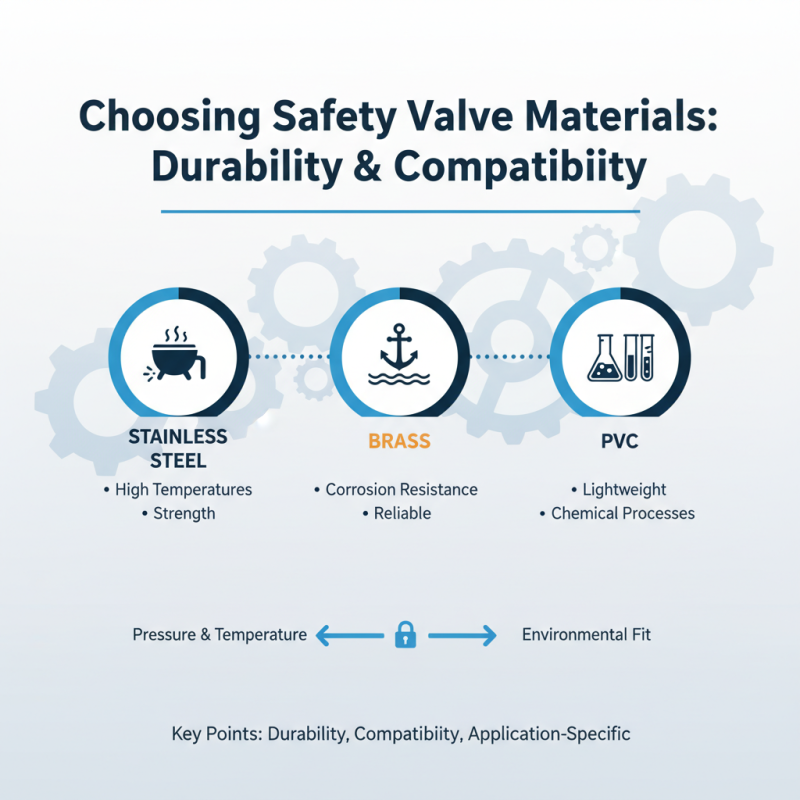
When choosing a safety valve, material selection is crucial. The valve must endure the pressures and temperatures of its environment. Common materials include stainless steel, brass, and polyvinyl chloride (PVC). Each has its strengths. Stainless steel offers durability in high temperatures. Brass provides good corrosion resistance. PVC is lightweight and suitable for chemical processes.
Consider the compatibility of your materials with the fluids involved. A mismatch can lead to failure. For instance, PVC might not resist certain solvents. Similarly, brass may corrode in acidic environments. Evaluate the liquid or gas’s properties. Always check compatibility charts for best practices.
Choosing the right materials is a process. Sometimes, the best material isn’t immediately clear. Test results may show unexpected behaviors under real conditions. Document any anomalies. This reflection allows for more informed future decisions. Balancing durability and compatibility is essential for safety and efficiency.