How to Choose the Right Aluminium Casting Mold for Your Needs?
Choosing the right Aluminium Casting Mold is crucial for manufacturing efficiency. In 2022, the global aluminium casting market was valued at over $15 billion. This figure is projected to grow as industries demand more customized solutions. Expert Robert Smith, a well-respected figure in the aluminium casting field, once stated, “Selecting the correct mold is key to achieving optimal casting performance.”
Understanding your specific needs is essential. Factors such as mold material, design complexity, and production volume must be considered. A poorly chosen Aluminium Casting Mold can lead to increased costs and longer lead times. In an industry where precision is paramount, even minor errors can result in significant waste.
Investing time in mold selection pays off. However, many businesses still overlook this critical step. They often choose cheaper options, neglecting durability and performance. This can compromise the final product. Prioritizing quality and suitability over price can lead to better outcomes in the long run.
Understanding Different Types of Aluminium Casting Molds and Their Applications
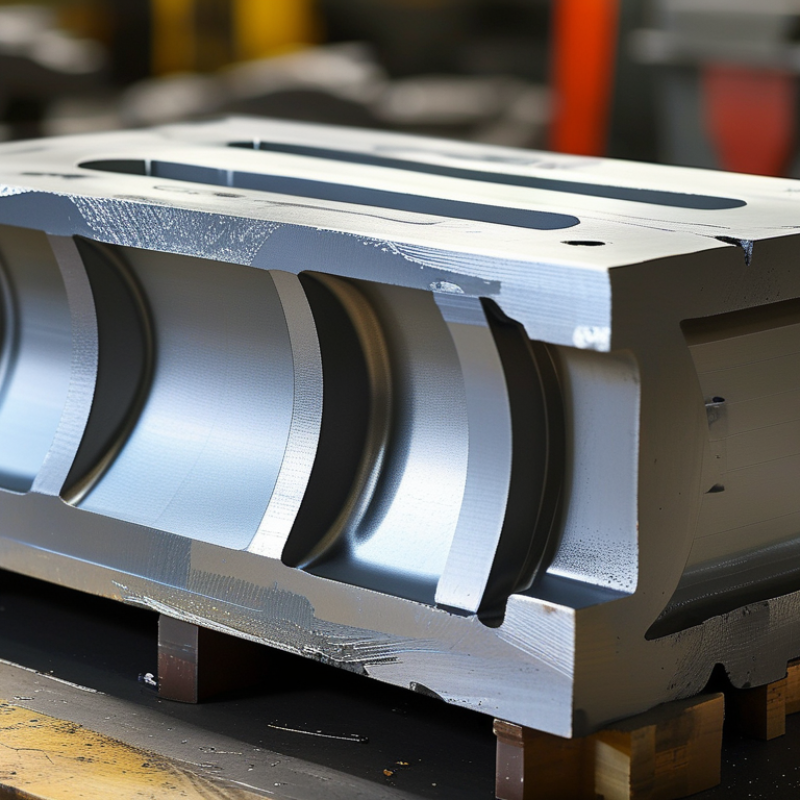
When selecting an aluminium casting mold, understanding the various types and their applications is crucial. Molds can be categorized into several types: sand molds, investment molds, and die-casting molds. Each type offers distinct advantages depending on the project's requirements. For instance, sand casting provides flexibility and is ideal for large-scale components, while die-casting is preferred for high precision and complex shapes.
According to a 2022 industry report by MarketsandMarkets, the aluminium casting market is anticipated to exceed $10 billion by 2025. The demand is driven by its widespread use in automotive and aerospace applications, where lightweight materials are essential. However, selecting the right mold can be challenging. Factors such as production volume, desired surface finish, and dimensional accuracy impact the choice of mold type.
One must also consider the costs associated with each mold type. For example, die casting usually requires higher initial investment but leads to lower unit costs at scale. Yet, complex geometries can complicate the mold design, often resulting in unforeseen expenses. It's clear that careful assessment of these factors is key to achieving the best outcomes in aluminium casting projects.
Factors to Consider When Selecting Aluminium Casting Molds: Size and Shape
When selecting aluminium casting molds, size and shape are crucial factors. The dimensions of the mold directly impact the final product. Before making a choice, evaluate the specific requirements of your project. Consider the weight and volume you need. Think about how the mold will impact the casting process. A well-sized mold can enhance efficiency and reduce waste.
Shape is equally important. The design must cater to function and aesthetics. Complex shapes may require more intricate molds. A simpler design can often be easier to avoid errors. Assess if the mold design fits within manufacturing constraints. Remember, an attractive shape doesn't always mean it's functional. Sometimes, a straightforward approach might yield better results.
It’s essential to reflect on your choices. Mistakes in size or shape can lead to costly errors. Do not rush the decision. Take time to understand how each aspect affects your project. Engaging with experienced professionals can provide valuable insights. Collaboration may lead to better mold designs tailored to your needs.
Material Properties and Their Impact on Aluminium Casting Mold Selection
When selecting an aluminum casting mold, understanding material properties is crucial. Different aluminum alloys exhibit varying mechanical and thermal characteristics, which directly influence mold selection. For instance, aluminum alloy 6061 is known for its strength and corrosion resistance, making it suitable for durable molds. In contrast, alloy 356 offers excellent fluidity and is ideal for intricate designs. According to the Aluminum Association, the right alloy choice can enhance mold performance by up to 30%.
Thermal conductivity also plays a vital role. A mold with high thermal conductivity promotes efficient solidification. This impacts cycle times significantly. Molds made from materials like H13 steel provide good thermal properties and longevity, essential for high-volume production. However, they can be more challenging to machine. Reports indicate that poor thermal management can lead to defects, costing manufacturers up to 15% of their production time in rework and scrap.
Weight is another consideration. Heavier molds may reduce productivity due to handling challenges. In contrast, lighter molds, made from advanced composites or treated aluminum, can improve workflow. Yet, lighter materials may have trade-offs in durability. Balancing these factors requires careful evaluation to meet production needs. Manufacturers are often faced with the dilemma of choosing between performance and practicality, underscoring the complexity of mold selection in aluminum casting.
How to Choose the Right Aluminium Casting Mold for Your Needs?
| Mold Type | Material | Temperature Resistance (°C) | Durability Rating | Cost (USD) |
| Gravity Mold | Steel | 300 | High | $2,000 |
| Sand Mold | Silica Sand | 150 | Medium | $500 |
| Die Mold | Aluminum | 450 | Very High | $5,000 |
| Lost Foam Mold | EPS Foam | 200 | Medium | $1,200 |
The Role of Production Volume in Choosing Aluminium Casting Molds
Choosing the right aluminum casting mold is crucial, particularly when considering production volume. A report by ResearchAndMarkets shows that the aluminum casting market is expected to grow at a CAGR of 5.4% from 2021 to 2026. This growth is largely driven by increasing demand in automotive and aerospace sectors. Understanding your production volume can significantly influence your mold selection process.
For low-volume production, sand casting molds are often suitable. They offer flexibility and lower initial costs. However, they may not be the best choice for precision parts. High-volume requirements often necessitate permanent molds. These molds provide consistency and longevity, making them ideal for mass production. They can withstand the rigors of repetitive use, reducing overall costs in the long run.
Tip: Evaluate your prototypes. If a design is complex, a different mold strategy might be necessary. Additionally, always consider lead times when selecting molds. Longer lead times can impact your overall production schedule. Reflect on your specific needs and adjust accordingly. This can save both time and resources in the manufacturing process.
Cost Analysis: Evaluating Budget Constraints for Aluminium Casting Molds
When evaluating budget constraints for aluminium casting molds, it's crucial to analyze both upfront costs and long-term value. Aluminium molds can vary widely in price. Custom molds tend to be more expensive than standard shapes. However, investing in high-quality molds can save money over time. You need to consider not just the purchase price but also the cost of maintenance and potential production delays.
Budgeting isn't just about numbers; it involves trade-offs. A cheaper mold may lead to more defects and inefficiencies. These issues can increase production costs in the long run. Sometimes, spending more on a durable mold is wiser, as it can handle higher production volumes without frequent repairs. Additionally, calculating the total cost of ownership gives a clearer picture of your financial commitments.
Be realistic about your production needs. If your projects require frequent changes, a flexible mold design may be a better investment. Some may need to rethink their needs based on their available budget. This reflection can lead to smarter investment choices that align with both financial and operational goals. Adjusting expectations can sometimes yield better solutions than sticking to initial plans.