How to Choose the Best Floor Drain for Your Needs?
Choosing the right Floor Drain can greatly impact the functionality and safety of your space. In the construction industry, it's noted that inadequate drainage systems can lead to costly water damage, with estimates suggesting that 14,000 people experience water damage daily in the U.S. This emphasizes the importance of a well-chosen Floor Drain.
Industry expert John Smith, a recognized authority in plumbing solutions, states, "Selecting the right Floor Drain is crucial for any facility's longevity and health." With many options available, understanding their unique features becomes essential. Various materials, designs, and flow rates can affect efficiency and maintenance.
A perfect Floor Drain must match specific needs. Residential areas often require different solutions than commercial settings. A careful selection can prevent clogs and bacterial growth, which is vital for health and safety. Reflecting on your options is key; not all choices may serve you well.
Understanding Your Drainage Needs and Environment
Understanding your drainage needs and environment is crucial when choosing the best floor drain. A study by the American Society of Plumbing Engineers indicates that poor drainage can lead to significant water damage, impacting structural integrity and leading to costly repairs. Water pooling can create hazards, not just damaging floors but also promoting mold growth.
Consider the type of environment. For residential areas, factors like bathroom size and usage frequency matter. In commercial settings, high-traffic areas demand robust systems able to handle larger volumes of water. Multi-purpose drains or specialized designs may be necessary. The National Association of Home Builders reports that improper drainage design can increase maintenance costs by up to 30%.
Reflecting on these points highlights the importance of tailored solutions. Generic options may not meet specific needs and can lead to unexpected issues. Understanding your unique requirements ensures effective drainage and longevity of the system. Consulting with professionals can aid in identifying the right type of drain suited to both your space and water management needs.
Types of Floor Drains and Their Applications
When selecting a floor drain, understanding the various types and their applications is crucial. A common choice is the trench drain, ideal for areas with heavy water flow. Trench drains can handle large volumes of water and are often used in commercial kitchens and driveways. According to the American Society of Plumbing Engineers, proper installation can prevent water damage and costly repairs.
Another option is the point drain, typically installed in residential bathrooms and laundry rooms. These drains are designed to collect water from a smaller area, making them suitable for tight spaces. In fact, a report by the National Association of Home Builders indicates that the market for residential floor drains grew by 7% in the last year, reflecting the increased emphasis on efficient drainage solutions in homes.
There are also specialized drains, such as grease traps, found in food service establishments. These are designed to separate grease from wastewater before it enters the sewage system, meeting local health regulations. Failure to install the correct type of drain can lead to blockages and health hazards. Thus, understanding the specific needs of your space is essential for effective drainage management.
Key Features to Consider When Selecting a Floor Drain
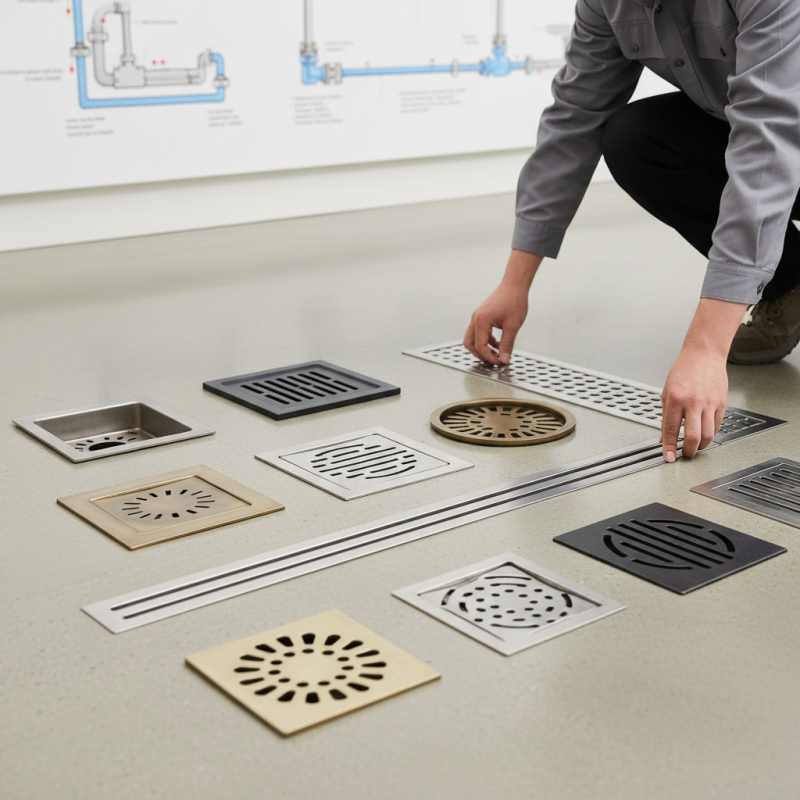
Choosing the right floor drain requires attention to several key features. One crucial aspect is the material. Stainless steel drains resist corrosion and offer durability. Plastic drains are lightweight and easier to install but may not provide the same longevity. Consider which material aligns best with your environment.
Another important feature is the drain’s size and capacity. A larger drain can handle more water, ideal for commercial spaces or areas prone to flooding. Homeowners might prefer smaller, discreet options for aesthetics. Understanding your space will guide this choice.
Moreover, the design of the drain can impact functionality. Grate patterns affect how quickly water flows through. Try to ensure your choice prevents clogging. Regular maintenance is necessary, but an effective design can streamline this process. With these details in mind, you can find a floor drain that meets your specific needs while enhancing your space’s efficiency.
Installation Considerations for Effective Drainage
When installing a floor drain, several factors are crucial for effective drainage. The location is essential. Place the drain in low areas to collect water efficiently. This can prevent pooling and water damage over time. Consider the type of flooring as well. Some materials, like tiles or concrete, require specific types of drains for seamless integration.
Another consideration is the size of the drain. Selecting an adequate size is vital for handling varying water flow rates. A small drain may clog easily, while a very large one might look out of place. Ensure the drain cover aligns with your aesthetic needs while remaining functional. Different styles exist, but not every style will match your room’s design.
Lastly, ensure that the installation is done properly. Misalignments or improper sealing can lead to leaks. Inspect the drain regularly after installation. Minor adjustments might be necessary. Fixing issues early can save you from bigger problems later. Drain placement may seem simple, but it requires careful thought and planning.
Floor Drain Type Comparison
Maintenance Tips for Prolonging Floor Drain Lifespan
Floor drains are crucial in preventing water accumulation in basements, garages, and bathrooms. Proper maintenance can significantly extend their lifespan. Regular cleaning is essential. Dirt, hair, and debris can clog drains over time. Ensure you check your floor drain every month. Remove any visible barriers to keep the water flowing smoothly.
Use a mixture of vinegar and baking soda for deep cleaning. Pour it down the drain and let it sit for a while. This method can dissolve buildup effectively. After rinsing, run hot water through the drain. Strong smells can indicate a blockage, so don’t ignore them.
Another maintenance tip is to inspect the trap regularly. If it dries out, it can lead to unpleasant odors. Simply pour water into the drain to refill the trap. Consider looking for signs of rust or damage. Addressing minor issues early can prevent larger problems later. Keeping a clean and functional drain requires consistent effort, but it pays off in peace of mind and efficiency.