What Is the Best Water Leak Detector in 2026?
A small leak can quietly damage a cabinet, stain a ceiling, or warp flooring before anyone notices. A Water Leak Detector can provide an early warning, but its usefulness depends on where it is placed and how it alerts you. Some models sound an alarm at the sensor. Others send phone notifications, connect to a smart-home system, or work with automatic shutoff valves.
Choosing the best option in 2026 means looking beyond advertised features. This guide compares detector types, alert methods, power sources, connectivity, and ongoing costs. It also considers practical locations, such as under sinks, beside washing machines, near water heaters, and in basements. Small details matter. A loud alarm may help at home, while remote alerts can be more useful when nobody is there. Wi-Fi coverage, battery access, and subscription requirements can affect everyday reliability.
No detector is perfect. A sensor cannot warn you if water never reaches it, and a connected model may lose contact when a network fails. Those limitations deserve attention, even when product ratings look impressive. The right choice depends on your home, plumbing layout, budget, and how quickly you need to respond. Comparing these factors can help narrow the options without assuming that the most expensive device is automatically the best.
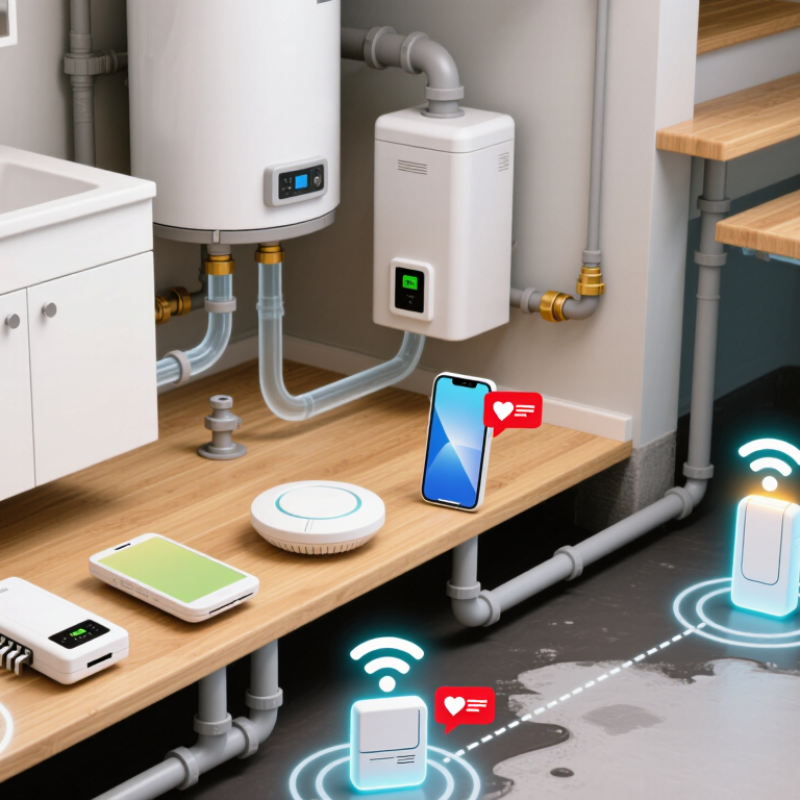
How Water Leak Detectors Identify and Report Leaks
A leak detector identifies water at a sensor or spots unusual plumbing flow. A point sensor uses two contacts; water bridging them changes conductivity and triggers an alarm. A sensing cable covers a longer path, such as the floor beside a washing machine. Flow-monitoring units compare current use with a learned pattern and may flag continuous nighttime flow. Some systems can close a connected shutoff valve; basic models only sound or send alerts. Placement matters.
The reporting route matters too. A local siren can be heard nearby, while a connected unit may send a phone notification through a hub or home network. Alerts can fail if power, batteries, or internet access is lost. EPA WaterSense estimates household leaks waste nearly 10,000 gallons yearly on average; about 10% of homes have leaks wasting 90 gallons or more each day. A detector cannot protect an unmonitored corner. Test sensors with a damp cloth and check batteries; small omissions matter. That is easy to overlook.
What Is the Best Water Leak Detector in 2026? - How Water Leak Detectors Identify and Report Leaks
| Detector Type | How It Identifies a Leak | How It Reports a Leak | Main Strength | Important Limitation | Best-Suited Areas |
| Point-contact sensor | Two or more contacts detect electrical conductivity when water bridges them. | Depending on the model, it may sound a local alarm and send an alert through a connected hub or network. | Compact and straightforward to place near a likely leak source. | Detects water only when it reaches the sensor; placement determines the area covered. | Under sinks, near water heaters, beside washing machines, and near toilets. |
| Leak-detection cable or rope | A sensing cable detects water along its length, so a leak can be identified at multiple points along the cable. | Typically signals through a connected alarm unit or compatible monitoring system; remote alerts depend on the system. | Covers a longer or irregular path than a single point sensor. | Requires suitable cable routing, and the cable must be near the path water will take. | Along basement edges, around equipment, beneath cabinets, and near long plumbing runs. |
| Whole-home flow monitor | Measures water movement in the supply pipe and looks for unusual flow patterns. Some systems can flag continuous flow or unexpected use. | May provide app or control-panel notifications; alert features vary by system and connectivity. | Can monitor water use across a home and may identify problems that do not reach a floor sensor. | Infers a possible leak from flow behavior; it does not directly detect water on a floor, and normal water use can affect alerts. | Main water lines and homes where monitoring across multiple rooms is desired. |
| Automatic shutoff system | Uses leak sensors, flow monitoring, or both to determine when water should be shut off. | Can activate a valve to stop incoming water; some systems also provide audible or remote alerts. | Can limit continued water flow when a detected event meets its shutoff criteria. | Requires compatible installation and a working valve; shutoff behavior and alert options differ by system. | Homes seeking leak detection combined with automatic water-supply control. |
Detection and alert capabilities vary by device, installation, power source, and network connection. A detector can only report events it can sense.
The Main Types of Water Leak Detectors
Water leak detectors generally fall into three types: point sensors, sensing cables, and in-line flow monitors. Point sensors sit near likely trouble spots, such as beneath a sink, beside a water heater, or behind a washing machine. When water reaches the contacts, the unit sounds an alarm or sends a notification. They are simple to place, but a sensor across the room may miss a small leak.
Sensing cables detect water along their length, making them useful around a basement perimeter or beneath several appliances. The cable can cover a wider area, though it needs careful routing and occasional checks for damage. In-line monitors attach to the home’s water supply and watch for unusual flow. Some can close a shutoff valve automatically. They may detect a running toilet or a pipe leak, but setup and compatibility with existing plumbing matter.
Placement matters more than a crowded feature list. Keep point sensors on a hard, level surface where water would collect, and test alarms according to the instructions. Check battery status, wireless range, and whether alerts still work when you are away. No detector catches every leak. A device may alert late if water never reaches its sensor, and automatic shutoff can interrupt normal use. I would not rely on one sensor alone. A few well-placed units are often more practical than a single complicated system.
What Is the Best Water Leak Detector in 2026?
Compare the main detector types by what they are designed to sense.
Point sensors and sensing cables detect water where their sensor touches it. Flow-based monitors look for unusual water flow through plumbing. “Yes” indicates a core detection method, not a performance rating; the best choice depends on the area and type of leak you want to detect.
Features That Matter When Comparing Detectors in 2026
What Is the Best Water Leak Detector in 2026?
Features That Matter When Comparing Detectors in 2026
The best detector is the one that suits your home’s risks and alerts you quickly. Compare sensor placement, alarm volume, notification options, and backup power. A sensor under a washing machine may catch a slow drip, while one near a water heater can detect a sudden leak. Check whether the device senses water only at its base or also uses a cable to cover a longer area. In 2026, connectivity matters, but a phone alert is only useful when your network and phone are available. No detector covers every failure point.
The financial stakes are real. The Insurance Information Institute reports that water damage and freezing made up 22.6% of homeowners insurance claims from 2018 to 2022, with an average claim of $12,514. The U.S. Environmental Protection Agency estimates household leaks waste nearly 10,000 gallons of water yearly. These figures do not predict what one home will lose, but they explain why response time and sensible sensor placement matter. A small blind spot can still be missed.
Tips: Put sensors near likely leak sources, not just in open hallways. Test each alarm with a damp cloth, then confirm app alerts reach your phone. Replace batteries on schedule. Review the layout after moving appliances; even careful placement can miss a hidden pipe.
How Leading Water Leak Detectors Differ
What Is the Best Water Leak Detector in 2026?
Leading water leak detectors differ in what they sense, where they fit, and how they alert you. A compact spot sensor sits near a sink, water heater, or washing machine. It detects water at one location and usually sounds an alarm nearby. Simple, but placement matters.
Cable-style sensors cover a longer path, such as along a basement wall or beneath several pipes. They can detect water at multiple points, though routing the cable neatly takes effort. Some connected models send phone alerts; others rely on a local siren. Wi-Fi can help when you are away, but only if the network and power remain available. Not always.
A detector with an automatic shutoff valve can do more than report a leak: it may stop water flowing through the supply line. That added protection can be useful, but installation and compatibility deserve careful checking. For a rental or small apartment, a portable sensor may be more practical. In a home with recurring leak risks, coverage and shutoff response may matter more than extra app features. Check batteries and test alarms periodically; a device left unnoticed behind a cabinet is not much protection.
I would not call one type best for every home. The right choice depends on likely leak locations, alert preferences, and how quickly someone can respond.
How to Choose and Install a Detector for Your Home
Choosing a water leak detector starts with the places water can escape, not with a feature list. Point sensors sit on the floor near a water heater, washing machine, dishwasher, or sink. Put them where a small puddle would reach the sensor, but not where routine mopping will trigger alarms.
For a hidden pipe or whole-home monitoring, an inline system may be more suitable. It usually requires access to the main water line, so check the installation requirements before buying.
Consider how you will hear an alert. A local alarm can help when someone is home, while a connected detector may send phone notifications. Check battery life, app requirements, and whether the device can close a shutoff valve. No detector covers every pipe or predicts every failure. It is easy to overestimate what one sensor can protect.
Tips: Place sensors on a hard, level surface and keep them clear of dust. Follow the manual, test each unit with a small amount of water, then dry it fully. For wired or inline installation, use a qualified plumber if you are unsure. A quick test matters. Check batteries and alert settings every few months; otherwise, a silent detector may offer little reassurance.