What are the Benefits of Using Cryogenic Gearboxes?
Cryogenic Gearboxes are vital in various high-tech industries, particularly in aerospace and energy sectors. Research by MarketsandMarkets estimates that the cryogenic equipment market will reach $24.5 billion by 2026, highlighting a growing demand for advanced technologies. These gearboxes operate efficiently in extreme temperatures, making them indispensable for applications in liquefied natural gas (LNG) and superconducting systems.
One major advantage of cryogenic gearboxes is their durability. They withstand harsh conditions without compromising performance. According to the International Cryogenic Engineering Committee, the reliability of these systems can lead to reduced maintenance costs over time. This aspect is crucial when exploring long-term investments in energy infrastructure. However, the initial costs of cryogenic gearboxes may raise concerns for some businesses.
Another essential benefit is energy efficiency. Cryogenic gearboxes often provide better torque-to-weight ratios than standard gearboxes. This efficiency can translate into significant energy savings. Nevertheless, challenges in material selection and manufacturing can impact overall performance. Companies must navigate these considerations carefully. As industries adopt more sustainable practices, cryogenic gearboxes will likely play a critical role in achieving operational goals.
Understanding Cryogenic Gearboxes and Their Applications
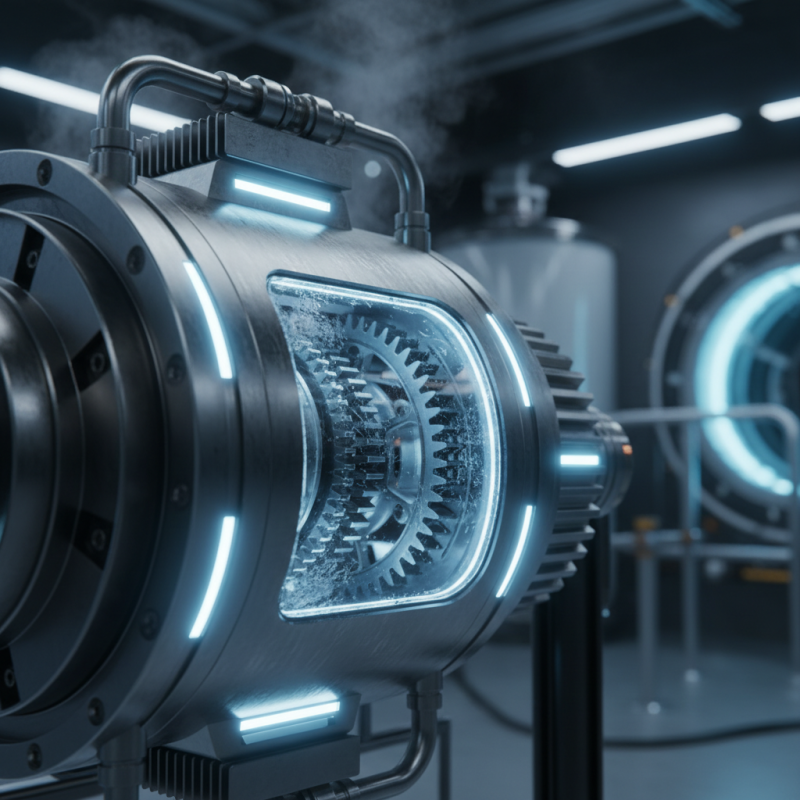
Cryogenic gearboxes are specialized mechanical devices designed to operate in extremely low temperatures. They play a crucial role in various industries, particularly in the fields of liquefied natural gas (LNG) and aerospace. These gearboxes are engineered to maintain efficiency and reliability under harsh conditions, reducing the risk of component failure. Their robust construction allows them to function optimally, even when temperatures drop to cryogenic levels.
Applications of cryogenic gearboxes vary widely. In LNG processing plants, they support the transportation and storage of liquefied gases. Aerospace applications utilize these gearboxes to ensure the functionality of systems in spacecraft and satellites, where extreme temperatures are common. Additionally, cryogenic gearboxes are utilized in cryogenic cooling systems and medical applications, such as MRI machines, where precise temperature control is critical. However, the technology is not without challenges. Maintenance can be complex due to the specialized nature of the materials and design.
Users must also consider the environmental impact of these technologies. The efficiency gains should be weighed against potential energy consumption. Engineers are constantly innovating, seeking to improve the design and materials used in cryogenic gearboxes. Despite the hurdles, their importance in modern technology is undeniable, and their continued development can lead to groundbreaking advancements in multiple fields.
Advantages of Using Cryogenic Gearboxes in Industrial Settings
Cryogenic gearboxes play a vital role in industrial applications that involve extremely low temperatures. These gearboxes help regulate mechanical power in environments where traditional components may fail. Operating efficiently in such extremes results in increased reliability and performance. Industries like aerospace, liquefied natural gas, and cryogenics benefit significantly from these robust systems.
One notable advantage of cryogenic gearboxes is their durability under challenging conditions. They are designed to withstand thermal stresses that could damage conventional gear systems. This durability translates into lower maintenance costs and reduces the frequency of replacements. However, it's worth noting that not all setups warrant the use of cryogenic systems. Companies must evaluate their specific needs before investing in this technology.
Cryogenic gearboxes also enhance energy efficiency, which can lead to significant cost savings over time. The materials used in these systems are engineered to minimize energy loss, making them more sustainable. Still, some challenges remain. The initial investment may be higher compared to standard options, sparking debates about cost-effectiveness. Ultimately, the decision to utilize cryogenic gearboxes should be made with careful consideration of long-term benefits versus short-term costs.
How Cryogenic Temperatures Affect Gearbox Performance
Cryogenic temperatures significantly impact gearbox performance. At extremely low temperatures, materials become brittle. This can lead to unexpected failures. Gearboxes are critical in many cryogenic applications. They must withstand these harsh conditions without compromising efficiency.
Temperature changes affect lubrication as well. Many lubricants lose their effectiveness in cryogenic settings. This can increase wear and reduce lifespan. It's essential to choose the right lubricant. Some greases perform better in extreme cold. Testing is vital to ensure compatibility.
**Tips:** Always conduct thorough testing of gearboxes exposed to cryogenic environments. Consider the potential for brittleness in components. Regular inspections can help identify wear early. Address any performance issues immediately to avoid costly downtime.
Benefits of Using Cryogenic Gearboxes
The chart above illustrates the benefits of using cryogenic gearboxes, highlighting key performance metrics such as efficiency improvement, temperature resistance, durability, weight reduction, and noise reduction. These benefits are critical for applications operating in extreme environments, ensuring optimal performance and reliability.
Maintenance and Durability Benefits of Cryogenic Gearboxes
Cryogenic gearboxes offer significant maintenance and durability advantages in various industries. These gearboxes are designed to operate efficiently at extremely low temperatures. This unique capability enhances their performance in industries like aerospace, energy, and cryogenics. With fewer moving parts than conventional gear systems, they tend to face less wear and tear.
Regular maintenance is essential, but cryogenic gearboxes require less frequent servicing. Their robust construction often leads to longer service intervals. Users can, however, encounter challenges. Extreme conditions may lead to unforeseen issues like brittleness or material fatigue. Addressing these early can prevent costly downtime.
The materials used in cryogenic gearboxes enhance their longevity. Metals like aluminum and stainless steel resist corrosion, emphasizing reliability. However, it is crucial to monitor for condensation or ice formation. Attention to detail in operational conditions ensures optimal performance. This proactive approach safeguards the durability of the gearbox and enhances overall system efficiency.
Future Trends in Cryogenic Gearbox Technology and Innovation
Cryogenic gearbox technology is evolving rapidly, driven by advances in materials and engineering. Future innovation focuses on enhancing performance and efficiency. Lightweight materials are becoming more common, improving energy efficiency. These advancements also reduce maintenance needs, allowing for longer operational life.
Tips: Consider adopting new materials in your designs. They can significantly impact overall performance. Testing different options can uncover hidden benefits.
Another trend includes the integration of smart technology into cryogenic gearboxes. Sensors can monitor performance in real-time, predicting failures before they occur. This shift towards predictive maintenance not only cuts costs but also enhances reliability.
It's essential to reflect on the transition towards automation in cryogenic applications. While it brings efficiency, it may also lead to job displacement concerns. Balancing technological advances with workforce impacts is crucial.