Top Benefits of Using Natural Gas Pressure Relief Valves for Safety and Efficiency?
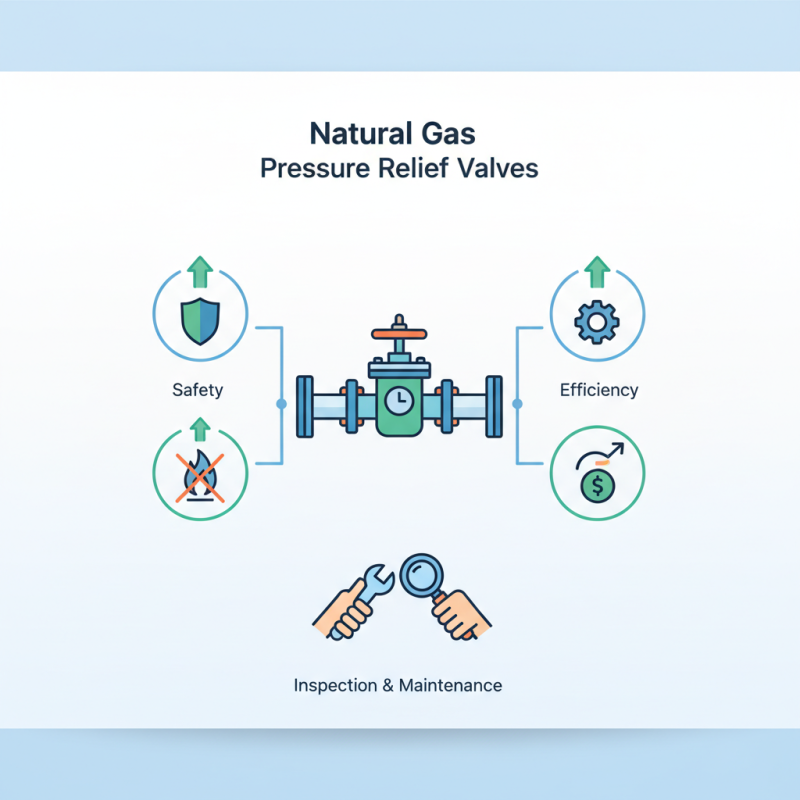
Natural gas plays a crucial role in today's energy landscape. Its transportation and utilization require precise management to ensure safety. A natural gas pressure relief valve is vital in maintaining system pressure. It prevents dangerous situations by allowing excess gas to escape safely.
The right pressure relief valve improves efficiency and reduces hazards. It not only safeguards equipment but also adheres to safety standards. Using quality valves minimizes the risk of leaks and potential accidents.
While these valves are effective, they must be regularly inspected. Neglecting maintenance can lead to failures, potentially causing serious incidents. Companies must reflect on their practices to ensure optimal performance. A natural gas pressure relief valve is not just a component; it's a critical part of a safe operation.
Benefits of Natural Gas Pressure Relief Valves for Industrial Safety
Natural gas pressure relief valves are crucial for industrial safety. They help manage excess pressure, preventing potential hazards. In high-pressure systems, the risk of failure is significant. A malfunction can lead to leaks or explosions. These valves act as a safeguard, ensuring systems operate within safe limits. Regular maintenance of these valves is vital. It helps identify issues before they escalate.
Use proper inspection techniques. Check for wear and tear. Ensure valves open and close smoothly. Small problems can lead to big failures. It’s essential to document maintenance frequently. Keeping records helps identify patterns.
Safety training for personnel is also important. Everyone should understand how these valves work. Awareness reduces the risk of accidents. Encourage workers to report unusual noises or leaks immediately. Quick actions can prevent larger issues. Relying solely on technology is risky. Human oversight remains critical. Invest in ongoing training and refreshers for staff.
Enhancing System Efficiency with Natural Gas Pressure Relief Valves
Natural gas pressure relief valves are essential for enhancing system efficiency. These valves help maintain optimal pressure levels, ensuring safe operations. By releasing excess pressure, they prevent system failures. This not only saves energy but also protects your equipment from potential damage.
Every natural gas system can benefit from regular maintenance. Inspect valves regularly for wear and tear. Replace any that show signs of degradation. This prevents unexpected breakdowns. Efficiency increases when systems operate smoothly. Deteriorated valves can lead to energy losses that affect overall performance.
Tips: Always check for leaks around the valves. A small leak can lead to significant efficiency drops. Optimize your system by calibrating pressure settings. Make adjustments based on seasonal use. Remember, the goal is safety and efficiency. Evaluate your existing systems often. This ongoing process ensures your valves perform at their best.
How Natural Gas Pressure Relief Valves Prevent Equipment Damage
Natural gas pressure relief valves play a crucial role in safeguarding equipment. When pressure exceeds safe levels, these valves automatically open to release gas. This simple mechanism prevents potential damage to pipelines and machinery. Think about it. A small flaw in a valve can lead to catastrophic failures.
Maintaining optimal pressure is vital for system efficiency. Excessive pressure can cause wear and tear on components. Equipment may experience fatigue, leading to costly repairs. Regular checks on pressure relief valves can mitigate these risks. Here, the details matter. A routine inspection may not seem critical, yet it’s essential.
Neglecting these valves can have dire consequences. Equipment could fail unexpectedly. Safety risks also increase when proper maintenance isn't practiced. Such a situation calls for reflection on operational habits. Prioritizing this aspect can enhance both safety and efficiency in natural gas systems.
Key Features of Effective Natural Gas Pressure Relief Valves
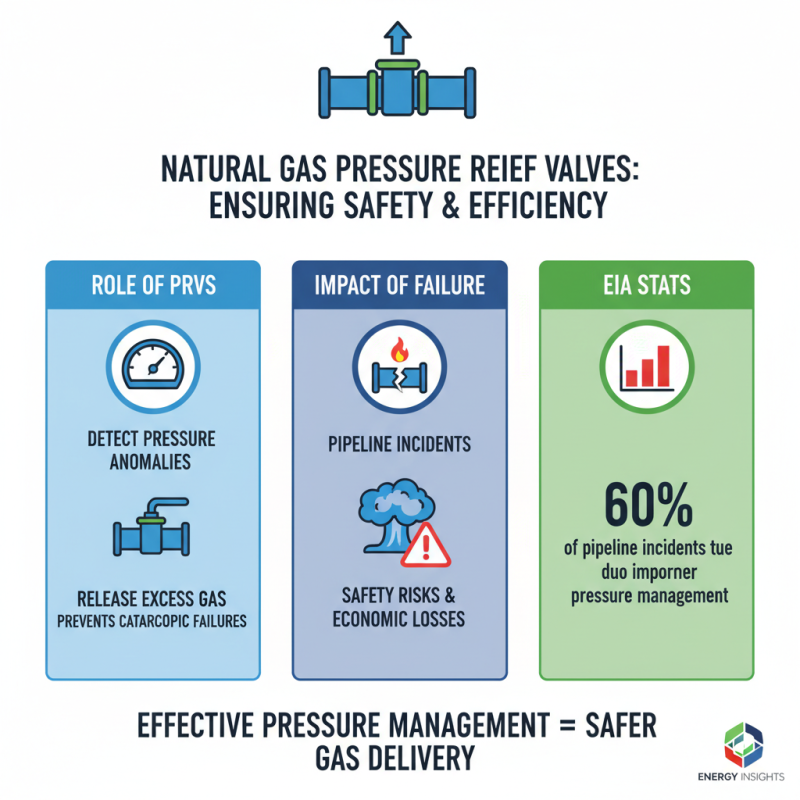
Natural gas pressure relief valves (PRVs) play a crucial role in ensuring safety and efficiency in gas delivery systems. Effective PRVs can detect pressure anomalies and release excess gas, preventing catastrophic failures. According to a report by the Energy Information Administration, improper pressure management is responsible for a significant percentage of pipeline incidents.
Key features of effective natural gas PRVs include precise pressure settings, durable materials, and quick response time. Valves made from corrosion-resistant alloys are preferred for longevity. Accurate pressure settings ensure the system operates within safe limits, reducing risks of overpressure accidents. Regular maintenance is essential, as dirt and debris can impair valve function.
Tips: Always check your PRVs regularly. Scheduled inspections can identify potential issues before they escalate. Additionally, consider installing redundant systems for higher safety levels. A secondary valve can provide extra security in critical applications.
Remember, the efficiency of these valves directly impacts operational costs. A well-functioning PRV system can lead to better fuel consumption rates. The savings are substantial over time. Ignoring the significance of PRVs could lead to costly downtimes or, worse, safety hazards.
Regulatory Compliance and Best Practices for Using Pressure Relief Valves
Natural gas pressure relief valves play a pivotal role in maintaining safety and efficiency in various applications. Regulatory compliance is essential when installing and maintaining these valves. According to a report from the American Society of Mechanical Engineers (ASME), improper usage or neglect of pressure relief systems can lead to catastrophic failures. More than 90% of pressure-related incidents stem from valve malfunctions or installation errors.
The National Fire Protection Association (NFPA) emphasizes that regular inspections and adherence to codes are vital. Many facilities overlook these protocols. It’s crucial to document each inspection meticulously. Pressure relief valves should be tested frequently, as they can degrade over time. Not all facilities maintain a robust tracking system. This poses significant risks and reflects a gap in safety culture.
Moreover, best practices include training staff on valve operations and emergency procedures. Utilizing software for monitoring can streamline this process. Found reports indicate that training reduces human error by nearly 30%. However, some teams still rely on outdated methods. Striving for consistency in compliance, therefore, remains a work in progress. Each missed opportunity for improvement could lead to grave consequences.