How to Effectively Locate and Operate a Shut Off Valve in Your Home
In every home, the ability to quickly locate and effectively operate a shut off valve is an essential skill that can prevent potential disasters and save homeowners from costly damages. A shut off valve is a crucial component of your plumbing system, allowing you to stop the flow of water in emergency situations, such as leaks or burst pipes. Understanding the different types of shut off valves and their specific locations within your home is fundamental to maintaining a safe and functional living environment.
This guide will walk you through the steps necessary to locate and operate your shut off valve with ease. From identifying the various types of valves present in your plumbing system to practical tips on how to operate them correctly, having this knowledge at your fingertips will empower you to handle plumbing emergencies effectively. Bypassing downtime and extensive repairs, knowing how to manage a shut off valve can mitigate damage and provide peace of mind for you and your family.
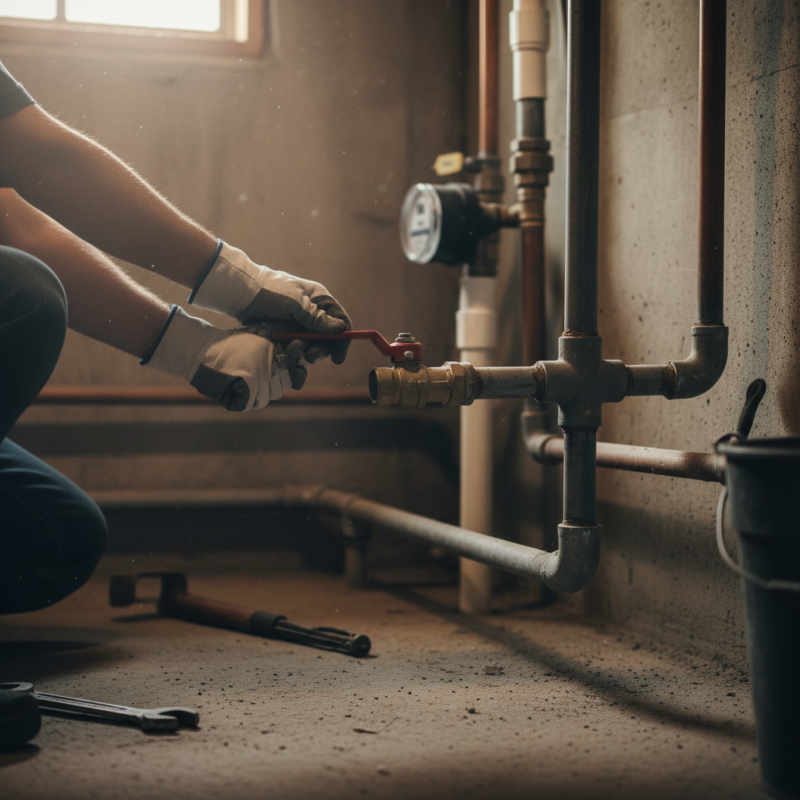
Identifying the Different Types of Shut Off Valves in Homes
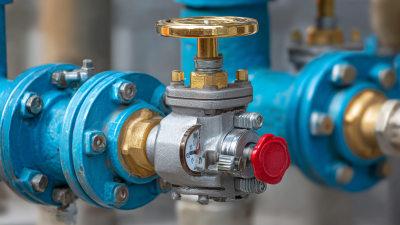
When it comes to managing water supply in your home, understanding the different types of shut off valves is essential. Shut off valves are crucial for controlling the flow of water and can be found in various locations throughout a house, including near appliances, under sinks, and even at the main water supply line. The most common types of shut off valves include ball valves, gate valves, and globe valves. Each type has its unique mechanism and purpose; for instance, ball valves provide quick, reliable shut off, while gate valves are often used for on/off control rather than flow regulation.
Tips: When identifying your home’s shut off valves, pay close attention to their position and operation style. Look for round handles that indicate a ball valve or a rectangular wheel that suggests a gate valve. Familiarizing yourself with the valve types and their locations can save you time and stress during emergencies.
Maintenance is also key to ensuring that your shut off valves function effectively. Regularly check for any signs of corrosion or leaks, and test their operation every few months. This simple practice can help you avoid unexpected issues and ensure that you can quickly manage water flow when necessary. Understanding and maintaining these critical components of your plumbing system will help you maintain a safe and efficient home.
Locating Your Main Water Shut Off Valve with Easy Steps
Locating your main water shut-off valve is an essential skill for homeowners, especially in the event of a plumbing emergency. According to the American Society of Plumbing Engineers, being able to quickly access and operate this valve can minimize water damage and save thousands of dollars in repair costs. Typically, the main shut-off valve is located near the perimeter of your home, often in the basement, crawl space, or close to the foundation wall.
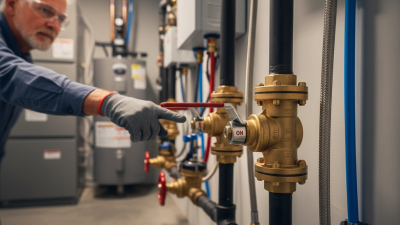
To start your search, look for a pipe entering your home, often with a valve attached. It's generally a round or lever handle, allowing you to shut off the water flow with a simple turn.
Once you locate the valve, it is advisable to test its functionality periodically. A report from the National Association of Home Inspectors noted that a significant percentage of homeowners are unaware of their valve's location or how to operate it, which can lead to catastrophic consequences during a plumbing failure. To ensure that you can act swiftly when necessary, practice turning the valve on and off. Additionally, propagate this knowledge among family members, so they, too, can respond effectively in an emergency. This proactive approach not only educates each household member but also fosters a sense of preparedness that can make all the difference in urgent situations.
Understanding the Function of Each Shut Off Valve in Your Home
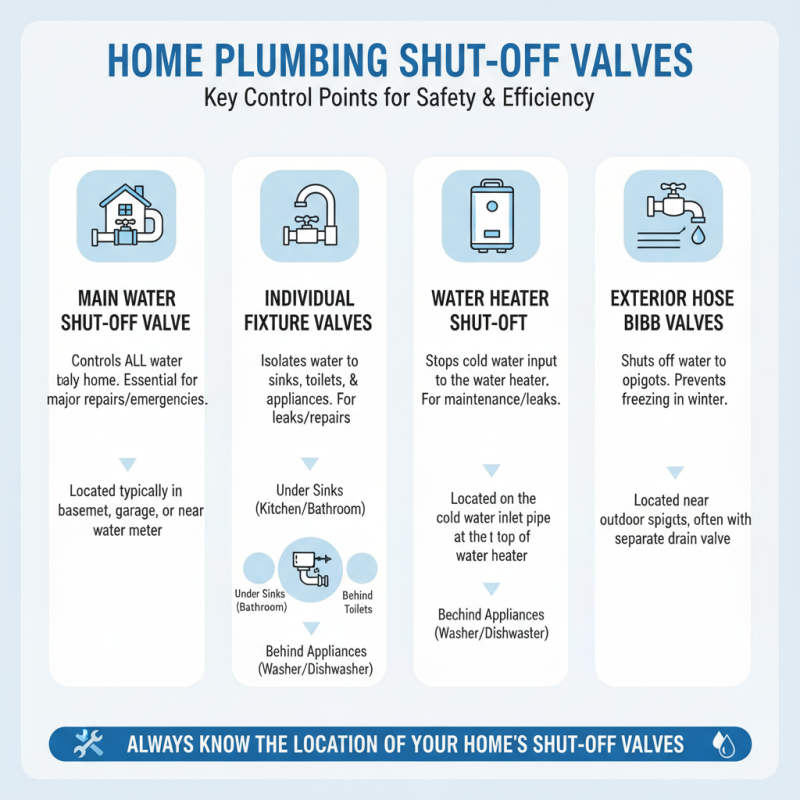
Understanding the function of each shut off valve in your home is essential for maintaining safety and efficiency in your plumbing system. Shut off valves serve as critical control points in your water supply, allowing you to stop the flow of water to specific areas during repairs or emergencies. For instance, the main shut off valve controls the entire water supply to your home, while individual valves at sinks, toilets, and appliances help you isolate problems quickly without disrupting service throughout the house.
Research from the American Society of Plumbing Engineers indicates that nearly 70% of homeowners do not know the location of their main shut off valve, which can lead to significant damage during plumbing emergencies. Thus, it's crucial to familiarize yourself with these valves and understand their operation. Knowing the types of valves—such as gate, ball, and globe valves—and how they function aids in quick response times when issues arise.
Tips: Regular maintenance checks can prevent unexpected failures. Ensure that all valves are accessible and in good working condition. Consider adding labels to the valves for easy identification, and perform periodic operation tests to ensure they open and close smoothly. Additionally, educate family members about the location and function of these valves to enhance preparedness during emergencies.
Step-by-Step Instructions for Operating and Testing Shut Off Valves
When it comes to maintaining a safe home environment, knowing how to effectively locate and operate shut off valves is crucial. According to the American Water Works Association, approximately 25% of homeowners are unaware of the location of their main water shut off valve. This lack of knowledge can lead to significant water damage and costly repairs in the event of a plumbing emergency.
To begin, familiarize yourself with the common locations of shut off valves, which are typically found near the perimeter of the home, in basements, or behind access panels in kitchens or bathrooms.
Once you identify the valve, the next step is to understand how to operate and test it. Most residential shut off valves function by turning clockwise to close and counter-clockwise to open. It’s advisable to turn the valve off and on at least once a year to ensure it operates smoothly; research indicates that valves left unused for prolonged periods are more likely to seize and become inoperable.
In addition, consider checking for any leaks or corrosion around the valve, as these can indicate potential failures. Proper maintenance of shut off valves not only prevents emergencies but enhances the longevity of your plumbing system, significantly reducing the likelihood of costly damages.
Safety Precautions to Follow When Using Shut Off Valves
When operating a shut-off valve in your home, safety should always be your top priority. Before attempting to locate or manipulate any shut-off valve, it is crucial to turn off any electrical appliances that may be affected by sudden changes in water flow. This precaution helps prevent electrical hazards and equipment damage. Wearing protective gloves can also safeguard your hands from dirt or unexpected debris that might be present around the valve.
Another important safety measure is to ensure that the area around the shut-off valve is clear and accessible. This minimizes the risk of slips or falls while you are working. If the valve appears corroded or is difficult to turn, avoid using excessive force, as this can lead to breakage and potential leaks. Instead, consider applying a penetrating lubricant or seeking professional assistance. Always be aware of your surroundings, particularly if the valve controls a critical system like water supply or gas — understanding the implications of shutting off these services can prevent emergency situations.