Why You Should Choose the Right Gas Valve for Your Home Safety
In the quest for a safe and secure home, one often overlooked yet critical component is the gas valve. As an expert in the gas industry, John Smith, a renowned gas safety engineer, emphasizes the importance of choosing the right gas valve by stating, "A properly installed and maintained gas valve is your first line of defense against potential gas leaks that could lead to catastrophic consequences." This statement underlines how crucial it is for homeowners to prioritize safety by selecting the appropriate gas valve for their specific needs.
Gas valves play a pivotal role in controlling the flow of gas throughout your household. They are essential in regulating appliances that rely on gas, such as stoves, heaters, and water boilers. The right gas valve not only ensures efficient operation but also significantly reduces the risk of accidents. With the variety of options available in the market, making an informed decision is vital. It's essential to consider factors such as valve type, compatibility with existing systems, and compliance with safety standards.
In summary, ensuring the safety of your home starts with understanding the importance of a reliable gas valve. By investing time and effort into selecting the right valve, homeowners can protect themselves from potential hazards while enjoying the comfort that gas-powered appliances provide. Remember, when it comes to safety, the right choice makes all the difference.
Importance of Gas Valves in Home Safety
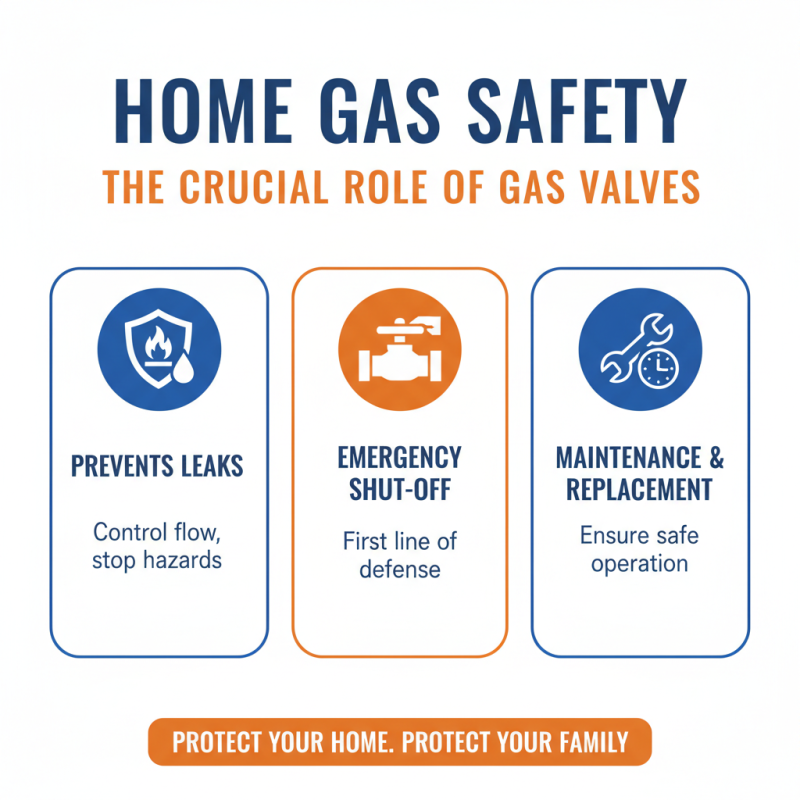
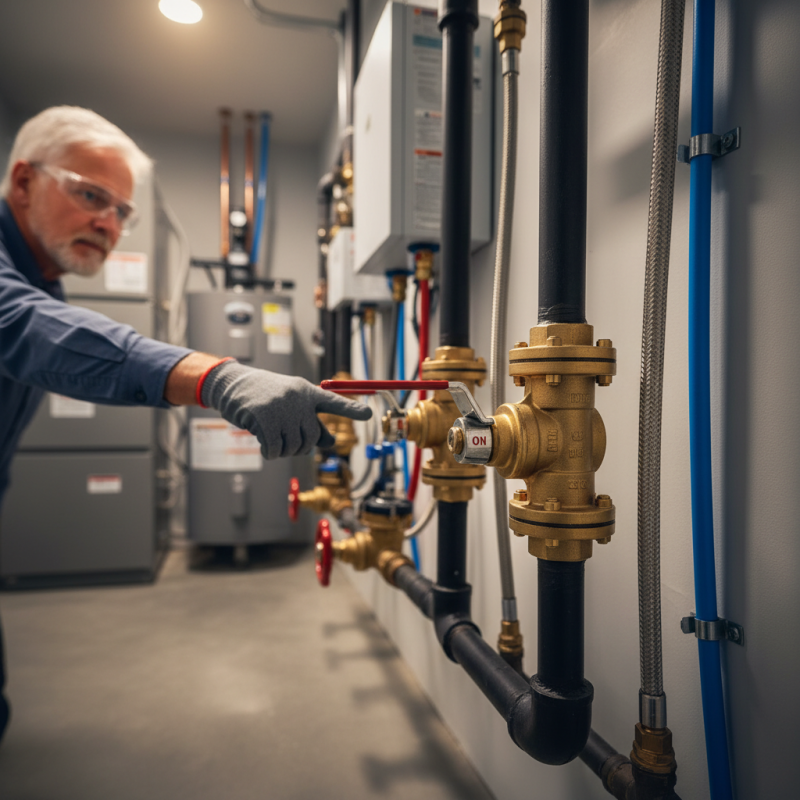
Gas valves play a crucial role in ensuring home safety by controlling the flow of gas within residential systems. A properly functioning gas valve is essential to prevent leaks, which can lead to hazardous situations such as fire, explosion, or toxic gas exposure. By enabling homeowners to shut off gas supply securely, these valves serve as a first line of defense against potential dangers. Regular maintenance and timely replacement of faulty valves are imperative for maintaining a safe living environment.
Moreover, the selection of the right gas valve is paramount in addressing specific home needs. Different gas appliances require valves designed to handle varying pressure levels and gas types. Choosing the appropriate valve not only enhances safety but also ensures the efficiency and longevity of gas-powered systems. Therefore, homeowners should prioritize selecting high-quality valves and consult professionals when making decisions about gas infrastructure. This vigilance helps mitigate risks and promotes a safe atmosphere for families.
Types of Gas Valves and Their Functions
When it comes to home safety, choosing the right gas valve is crucial. Various types of gas valves serve different functions, ensuring optimal performance and security in gas systems. The most common types include shutoff valves, pressure regulator valves, and safety relief valves. According to the American Gas Association, improper installation or failure of these valves can lead to hazardous leaks, endangering the lives of residents.
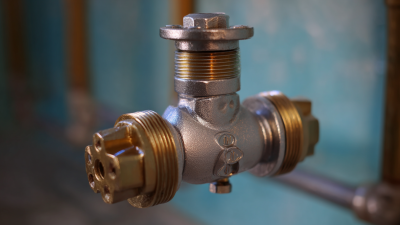
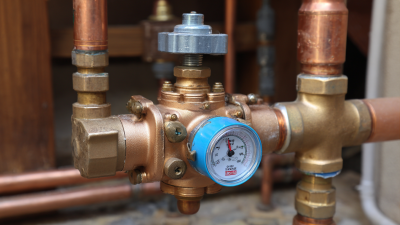
Shutoff valves are designed to cut off the gas supply in case of an emergency, providing a vital safety mechanism. Pressure regulator valves, on the other hand, maintain consistent gas pressure, which is essential for the efficient operation of appliances. Safety relief valves protect against pressure overloads, automatically releasing gas if the pressure exceeds safe levels. A report from the Gas Technology Institute indicates that approximately 70% of gas-related incidents could have been mitigated with the proper use of these essential components, highlighting the importance of understanding the different types of gas valves and their respective roles in safeguarding homes.
Factors to Consider When Choosing a Gas Valve
When selecting a gas valve for your home, several crucial factors should guide your decision. First and foremost, the valve's material is significant; look for options made from durable materials such as brass or stainless steel, which can withstand high pressure and resist corrosion. Additionally, consider the valve's certification and standards compliance. Choose valves that meet industry regulations, ensuring they are safe and reliable for domestic use.
Another important aspect is the valve type that best suits your needs, such as manual, automatic, or solenoid valves. Manual valves offer hands-on control, while automatic valves provide convenience and can enhance safety by minimizing human error. It's essential to assess your specific application requirements—like gas type, flow rate, and pressure rating—to ensure optimal performance. Additionally, consult with a professional to evaluate installation requirements and maintenance needs, ensuring the chosen gas valve operates efficiently while enhancing overall safety in your home.
Gas Valve Safety Ratings by Type
This bar chart illustrates the safety ratings of various types of gas valves, indicating how each type contributes to overall home safety. The ratings range from 1 to 10, with higher values indicating better safety features.
Common Gas Valve Installation Mistakes to Avoid
When installing a gas valve in your home, avoiding common installation mistakes is crucial for ensuring safety and efficiency. According to the National Fire Protection Association (NFPA), improper installation of gas valves is a leading cause of home gas leaks, which account for hundreds of fire incidents annually. One prevalent mistake is failing to adhere to the manufacturer's specifications and local codes, which can lead to improper sealing and pressure issues. In fact, a report from the American Gas Association indicates that 30% of gas-related incidents stem from installation errors, underscoring the importance of compliance with established guidelines.
Another common pitfall is neglecting to perform adequate pressure testing after installation. A study by the Gas Technology Institute revealed that over 20% of gas valve failures were traced back to inadequate pressure checks. Ensuring that the gas valve is tested under operational conditions can prevent leaks and enhance overall system reliability. Moreover, many DIY installers overlook the importance of training and experience, which are key in recognizing potential issues during the installation process. Engaging a licensed professional could significantly reduce risks and ensure that safety protocols are thoroughly followed.
Regular Maintenance and Inspection of Gas Valves
Regular maintenance and inspection of gas valves are crucial for ensuring the safety of your home. Gas valves play a pivotal role in controlling the flow of natural gas or propane into your appliances. Over time, wear and tear can compromise their functionality, leading to potential gas leaks or dangerous malfunctions. Routine checks can help identify any signs of corrosion, rust, or improper sealing, allowing homeowners to address issues before they escalate into emergencies.
Moreover, regular inspections provide an opportunity to confirm that your gas valves are compliant with current safety standards. Professionals can test the pressure levels, assess the valves' responsiveness, and ensure they are functioning correctly. This proactive approach not only enhances your home’s safety but also contributes to efficient energy use. By making maintenance a priority, you are investing in the longevity of your appliances and safeguarding your family from the serious hazards associated with gas leaks.