How to Choose and Install a Water Pressure Relief Valve for Your Home
The importance of maintaining optimal water pressure in residential plumbing systems cannot be overstated, as excessive pressure can lead to significant damage and costly repairs. According to the American Society of Plumbing Engineers, improper water pressure is a common cause of plumbing failures, which can result in leaks, burst pipes, and even water heater malfunctions. Installing a water pressure relief valve becomes crucial for homeowners seeking to safeguard their plumbing infrastructure against such risks. This essential component not only helps maintain regulated water pressure but also protects appliances and fixtures from potential water damage.
In addition to prolonging the lifespan of plumbing systems, proper installation of a water pressure relief valve is often associated with enhanced energy efficiency. A study conducted by the U.S. Department of Energy revealed that managing water pressure can lead to a reduction in energy consumption, as lower pressure helps appliances like washing machines and dishwashers operate more effectively. With the average household consuming approximately 10,000 gallons of water monthly, even slight improvements can lead to significant savings. Thus, understanding the selection and installation of a water pressure relief valve is vital for every homeowner looking to optimize their water usage while preventing costly plumbing issues.
Understanding the Purpose of a Water Pressure Relief Valve
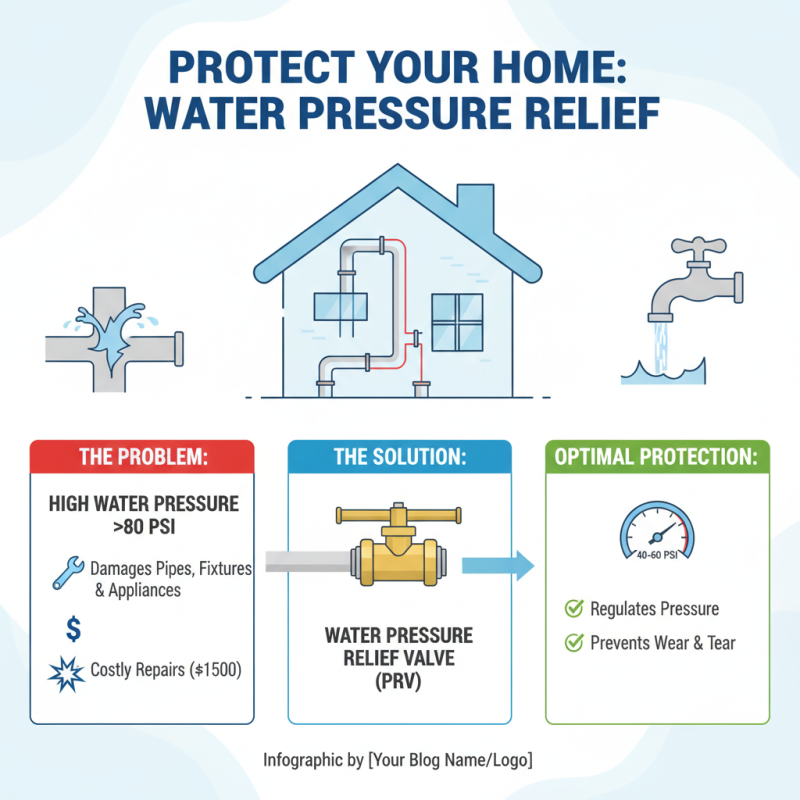
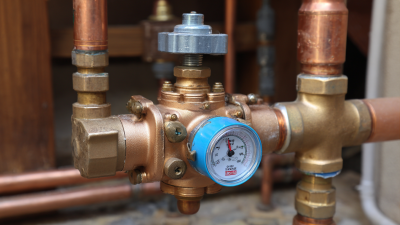
A water pressure relief valve (PRV) plays an essential role in safeguarding your home’s plumbing system. These valves are designed to relieve excess pressure that can occur within the water supply lines, preventing potential damage to pipes, fixtures, and appliances. According to industry reports, water pressure levels that exceed 80 psi can lead to significant wear and tear on plumbing systems, potentially costing homeowners upwards of $1,500 in repairs. By regulating the water pressure, PRVs help maintain optimal levels, typically between 40 to 60 psi, which is ideal for residential systems.
When considering the installation of a water pressure relief valve, it is crucial to understand its purpose. Aside from preventing pipe bursts, these valves also help extend the lifespan of appliances such as water heaters and dishwashers. This is particularly important as high water pressure can cause premature failure, leading to costly replacements. By keeping the pressure in check, homeowners can enjoy a more efficient use of water while reducing the risk of unexpected plumbing failures.
Tips: Ensure that the pressure relief valve is installed at the highest point of your plumbing system to guarantee optimal performance. Regularly check the valve for signs of wear or leaks, and, if necessary, consult with a plumbing professional to assess the water pressure levels in your home. Taking these proactive measures can save you time, money, and stress down the line.
Identifying the Right Type of Water Pressure Relief Valve for Your Needs
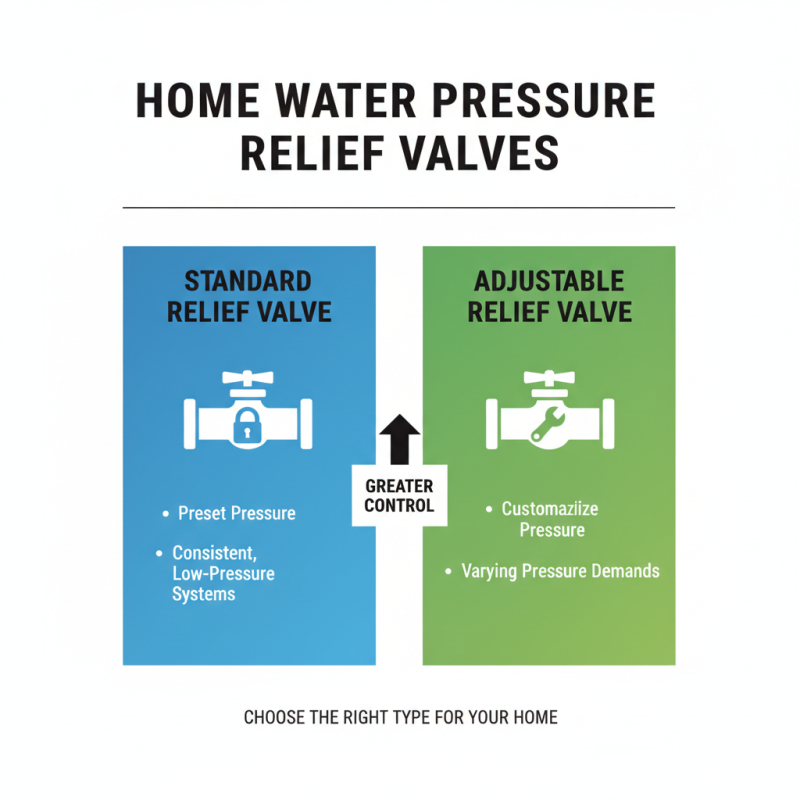
When selecting a water pressure relief valve for your home, it's essential to understand the various types available to ensure you choose the right one for your specific needs. The two primary types are the standard and the adjustable relief valves. Standard valves are pre-set to a specific pressure level, making them suitable for consistent, low-pressure systems. On the other hand, adjustable valves allow homeowners to customize the pressure settings, giving you greater control over the system. This versatility is particularly useful for homes with varying water pressure demands.
In addition to the type, consider the materials used in the valve's construction. Brass and stainless steel are commonly recommended for their durability and resistance to corrosion, which is crucial for long-term use. Furthermore, the valve's pressure rating should match or be slightly higher than your home's maximum water pressure to prevent premature failure. Lastly, compatibility with existing plumbing is vital; ensure the valve connections align with your setup to avoid leaks. By carefully evaluating these factors, you can effectively select a water pressure relief valve that safeguards your plumbing system while enhancing its performance.
Assessing Your Home's Water Pressure Levels Before Installation
Before installing a water pressure relief valve, it is crucial to assess your home's water pressure levels. Excessive water pressure can lead to plumbing issues, damage to appliances, and increased utility bills. To begin, you can use a simple water pressure gauge, which can be attached to an exterior faucet to obtain a quick reading. Ideally, residential water pressure should fall between 40 and 60 psi (pounds per square inch). If your readings exceed this range, it's a clear indication that your system could benefit from the installation of a pressure relief valve.
Once you have established your water pressure levels, it's important to consider the source of the pressure. Sudden spikes in pressure may occur due to fluctuations in the municipal water supply or issues within your home’s plumbing system. Understanding these factors not only helps identify the necessity for a pressure relief valve but also allows for informed decision-making regarding its placement. Installing the valve close to the water main can ensure effective pressure regulation throughout your home, safeguarding your plumbing system and extending the lifespan of your appliances.
Step-by-Step Guide to Installing a Water Pressure Relief Valve
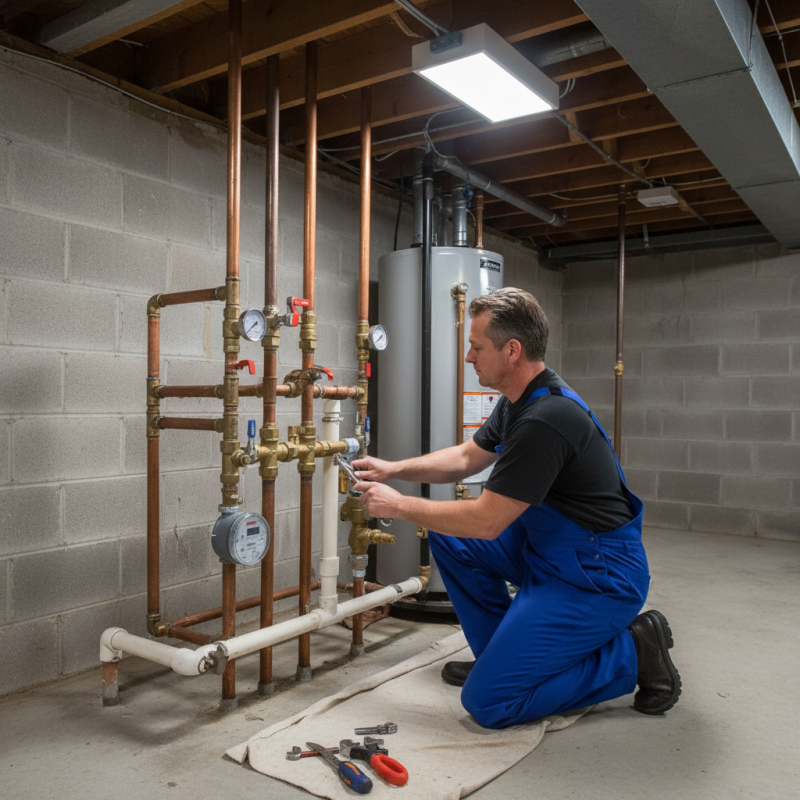
Installing a water pressure relief valve is a crucial step in protecting your home’s plumbing system from excessive pressure. To begin, gather all the necessary tools and materials, including the valve, appropriate fittings, and a wrench. First, turn off the main water supply to avoid any accidents. Once the water is off, locate a suitable spot on your water supply line, ideally close to the water heater. It’s essential to ensure the area is clean and accessible for installation.
Next, you will need to remove a section of the pipe where the valve will be installed. Use a pipe cutter to make a clean cut, then prepare the pipe ends by cleaning them and applying plumber’s tape to ensure a tight seal. Attach the valve securely, making sure it is oriented correctly to allow for proper discharge of excess water pressure. After securing the valve, turn the main water supply back on slowly and check for any leaks. If everything looks good, you can test the functionality of the valve by adjusting the pressure settings according to your home’s requirements. This proactive measure will not only enhance the lifespan of your plumbing system but also ensure peace of mind for your household.
How to Choose and Install a Water Pressure Relief Valve for Your Home - Step-by-Step Guide to Installing a Water Pressure Relief Valve
| Feature |
Description |
Importance |
| Material |
Brass or stainless steel are common for durability. |
High importance for longevity and corrosion resistance. |
| Pressure Rating |
Rated in PSI, it should match your system’s requirements. |
Critical for proper function and safety. |
| Size |
Common sizes include 3/4” and 1”. Fit to your piping. |
Essential for installation compatibility. |
| Installation Type |
Can be threaded or soldered onto pipes. |
Influences ease of installation. |
| Adjustable Pressure |
Some valves allow for adjustment of discharge pressure. |
Useful for fine-tuning system pressure. |
| Certification |
Look for ASME or CSA certification. |
Ensures compliance with safety standards. |
| Cost |
Prices vary based on quality and features. |
Consider budget vs. functionality. |
Maintaining and Troubleshooting Your Water Pressure Relief Valve
Maintaining and troubleshooting your water pressure relief valve is crucial for ensuring the safety and efficiency of your plumbing system. Regular inspection is key; check the valve for any signs of wear or corrosion. It’s advisable to test the valve every few months by lifting the test lever to see if water flows out. If water does not discharge, the valve may be clogged or malfunctioning, and should be cleaned or replaced promptly.
Tips: If you notice a hissing sound or constant water dripping from the valve, these could indicate pressure issues or a faulty valve. In such cases, adjusting the pressure settings on your pressure tank may resolve the issue, but if problems persist, consult a professional to ensure your system is working correctly.
Additionally, keep an eye on your home’s overall water pressure. If it consistently exceeds 80 psi, you might need to consider installing a pressure-reducing valve to avoid stress on your plumbing fixtures. Regular maintenance, such as cleaning the valve and ensuring there are no blockages, can prolong its life and maintain proper function.
Taking these preventative measures will help keep your water pressure relief valve in top shape, ensuring your home’s plumbing system works efficiently.